bear
-
Panthenogenesis of Power – Afterword

The afterword discusses the “Peaceful Three” societies—the Ju/’Hoansi, Inuit, and Bonobo—demonstrating that power can exist without coercion or collateral. These cultures promote care, connection, and shared responsibility, challenging the prevailing ‘hostage logic’ framework. They serve as proof that alternative, non-dominative systems are not only possible but already exist. Continue reading
-
Panthenogenesis of Power – Part Seven – Appendices
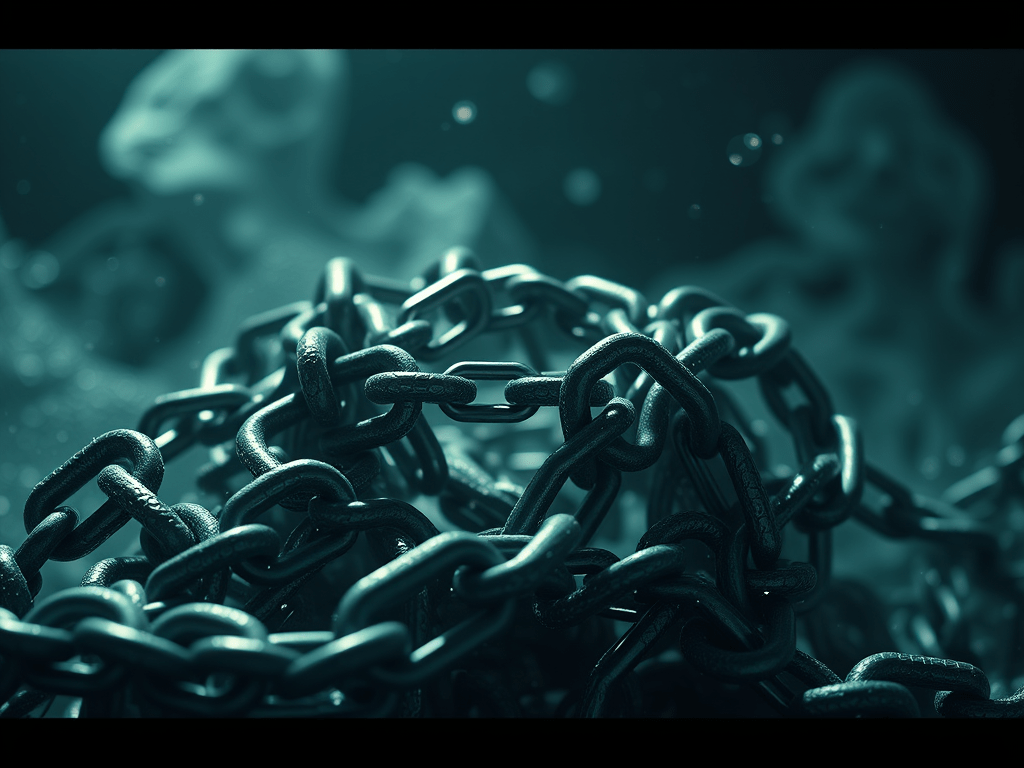
The appendices of the Unified Theory of the Panthenogenesis of Power present essential frameworks, including glossary terms, historical timelines, and case studies that elucidate the pervasive nature of hostage logic. They emphasize relational linguistics as a research method and provide diagrams to visualize systemic reproduction and implications, paving pathways for future research. Continue reading
-
Panthenogenesis of Power – Part Six – Liberation

Part VI of the “Unified Theory of the Panthenogenesis of Power” discusses liberation by identifying how power can be disrupted. It argues that by refusing to sacrifice others, the cycle of domination breaks, paving the way for a post-hostage society where power is generated through care instead of fear. This transformation requires significant structural shifts. Continue reading
-
Panthenogenesis of Power – Part Five – Exposure

Part V of the Unified Theory of Power focuses on exposing the visibility of power through pattern geometry and relational linguistics. It details methods to identify systemic structures and cultural memories embedded in language and conduct. Recognizing the recursive nature of power helps individuals map its influence in their lives. Continue reading
-
Panthenogenesis of Power – Part Four – Mutation

The content discusses how power persists and mutates in modern systems, particularly through immigration, military, prison-industrial complexes, and insurance, framing these as forms of hostageship. It highlights how individuals become collateral, leading to conditional existence, while the culture of self-blame reinforces systemic control. Continue reading
-
Panthenogenesis of Power -Part Three – Transmission

Part III of the Unified Theory of Power explores how power transitions from external coercion to internalized control. It introduces SCRRIPPTT, a mechanism that teaches compliance and self-policing, alongside the dynamics of the Cult of the Ego and intraprisonation. This internalized system enables self-replicating captivity without direct threats. Continue reading
-
Panthenogenesis of Power – Part Two – Reproduction

The text discusses how the concept of hostageship evolved through history to underpin systems of power, from feudalism to colonialism and slavery. It highlights how power was restructured during the American Revolution, maintaining the dynamics of oppression while shifting control among different elites. The logic of hostageship persisted, affecting entire populations. Continue reading
-
Panthenogenesis of Power – Part One – Origin

The text explores the concept of power as a self-reproducing entity, originating not from a central authority but from relational dynamics, obligations, and fear. It introduces the Unified Hostage Logic Framework, demonstrating how historical practices like hostageship shaped societal structures and how language reflects these power dynamics through relational linguistics. Continue reading
-
Panthenogenesis of Power – Field Outline

The “Unified Theory of the Panthenogenesis of Power” explores how power emerges and reproduces without a central authority. It analyzes historical and linguistic frameworks, from hostage systems to internalized captivity, detailing how societies maintain control through these mechanisms. The work ultimately envisions a post-hostage society based on mutual uplift and non-collateral models of power. Continue reading
Recent Posts
- 43) My First Surgery
 The narrator recounts their experience of having a ruptured ovarian cyst mistaken for appendicitis, leading to surgery. They reflect on feelings of neglect and misunderstanding from their mother, who doubted their pain. Post-surgery, they continued to endure monthly cyst ruptures while coping with the emotional and physical challenges of their condition.
 - 12) Inappropriate – Revisited
 Social anxiety and unique experience combine to create an explosive birthday with unintended consequences.
 - 29) Sisters Part Two
 The author reflects on the challenging experience of caring for younger sisters, feeling the absence of their mother. Bath time transforms from joy to a struggle, marked by fear and harsh discipline influenced by the mother’s expectations. The narrator grapples with feelings of inadequacy and learns harmful lessons on parenting.
 - Panthenogenesis of Power – Afterword
 The afterword discusses the “Peaceful Three” societies—the Ju/’Hoansi, Inuit, and Bonobo—demonstrating that power can exist without coercion or collateral. These cultures promote care, connection, and shared responsibility, challenging the prevailing ‘hostage logic’ framework. They serve as proof that alternative, non-dominative systems are not only possible but already exist.
 - Panthenogenesis of Power – Part Seven – Appendices
 The appendices of the Unified Theory of the Panthenogenesis of Power present essential frameworks, including glossary terms, historical timelines, and case studies that elucidate the pervasive nature of hostage logic. They emphasize relational linguistics as a research method and provide diagrams to visualize systemic reproduction and implications, paving pathways for future research.
 - Panthenogenesis of Power – Part Six – Liberation
 Part VI of the “Unified Theory of the Panthenogenesis of Power” discusses liberation by identifying how power can be disrupted. It argues that by refusing to sacrifice others, the cycle of domination breaks, paving the way for a post-hostage society where power is generated through care instead of fear. This transformation requires significant structural shifts.
 - Panthenogenesis of Power – Part Five – Exposure
 Part V of the Unified Theory of Power focuses on exposing the visibility of power through pattern geometry and relational linguistics. It details methods to identify systemic structures and cultural memories embedded in language and conduct. Recognizing the recursive nature of power helps individuals map its influence in their lives.
 - Panthenogenesis of Power – Part Four – Mutation
 The content discusses how power persists and mutates in modern systems, particularly through immigration, military, prison-industrial complexes, and insurance, framing these as forms of hostageship. It highlights how individuals become collateral, leading to conditional existence, while the culture of self-blame reinforces systemic control.
 - Panthenogenesis of Power -Part Three – Transmission
 Part III of the Unified Theory of Power explores how power transitions from external coercion to internalized control. It introduces SCRRIPPTT, a mechanism that teaches compliance and self-policing, alongside the dynamics of the Cult of the Ego and intraprisonation. This internalized system enables self-replicating captivity without direct threats.
 - Panthenogenesis of Power – Part Two – Reproduction
 The text discusses how the concept of hostageship evolved through history to underpin systems of power, from feudalism to colonialism and slavery. It highlights how power was restructured during the American Revolution, maintaining the dynamics of oppression while shifting control among different elites. The logic of hostageship persisted, affecting entire populations.
 - Panthenogenesis of Power – Part One – Origin
 The text explores the concept of power as a self-reproducing entity, originating not from a central authority but from relational dynamics, obligations, and fear. It introduces the Unified Hostage Logic Framework, demonstrating how historical practices like hostageship shaped societal structures and how language reflects these power dynamics through relational linguistics.
 - Panthenogenesis of Power – Field Outline
 The “Unified Theory of the Panthenogenesis of Power” explores how power emerges and reproduces without a central authority. It analyzes historical and linguistic frameworks, from hostage systems to internalized captivity, detailing how societies maintain control through these mechanisms. The work ultimately envisions a post-hostage society based on mutual uplift and non-collateral models of power.
 - Glass Ceiling Records – BTS – Relational Anthropology
 Relational Anthropology is an acknowledgment of the interconnectedness inherent in anthropology, which has traditionally explored relationships among people, culture, and environment without naming it. By recognizing this unity, the field can embrace co-creation and emotional literacy, emphasizing anthropology as a practice rooted in relationships rather than mere observation.
 - Applied Episkevology – The System That Carries Us
 The text explores the interplay between language and systemic structures, emphasizing that words can reveal deeper meanings and connections. It discusses how systems carry histories and violence, turning individuals into hostages within their cultural frameworks. This insight urges us to recognize and interrogate the influences and legacies we unknowingly perpetuate.
 - Worry by Protyus A. Gendher – A Piece of Peace
 The content reflects on the importance of emotional regulation and self-parenting, highlighting personal struggles with past trauma and anxiety. The lyrics of “Worry” emphasize self-acceptance, worthiness, and the understanding that imperfection is part of life. The author encourages healing and self-compassion, regardless of one’s upbringing.
Newsletter
Make a one-time donation
Make a monthly donation
Choose an amount
Or enter a custom amount
Your contribution is appreciated.
Your contribution is appreciated.
DonateDonate monthly Survivor Literacy