
Unified Theory of the Panthenogenesis of Power
CHAPTER 17 – THE SYSTEM THAT CARRIES US
Every system has two lives.
The first is external — institutions, laws, norms, hierarchies, economies.
The second is internal — expectations, reflexes, emotional patterns, inherited scripts.
Most people believe they move through systems.
But structurally, systems move through people.
This chapter reveals the architecture of that movement. It shows how the hostage‑pledge operating system becomes the invisible scaffolding of daily life, how individuals become carriers of the very logic that constrains them, and how the system sustains itself by embedding its geometry into the bodies, relationships, and expectations of those who inhabit it.
1. Systems as Carriers of Conduct
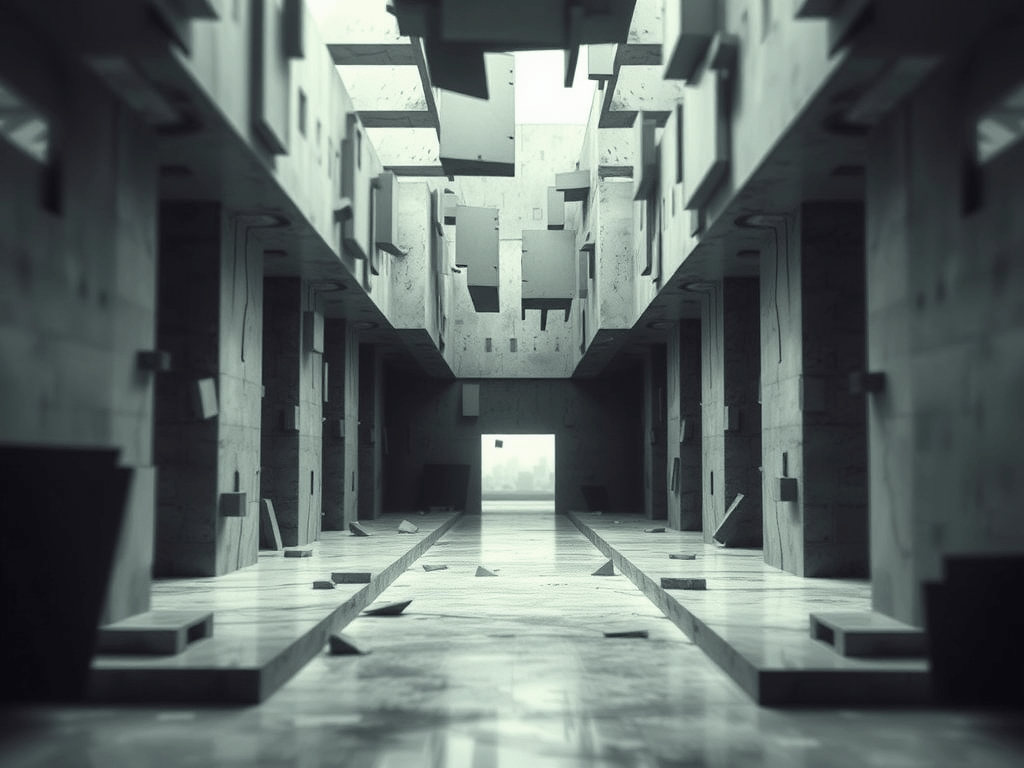
A system is not defined by its institutions.
A system is defined by its conduct — the patterned ways people behave within it.
Conduct includes:
- how people speak
- how they defer
- how they anticipate threat
- how they distribute blame
- how they assign worth
- how they interpret obligation
These behaviors are not personal quirks.
They are the system’s operating instructions, carried forward through culture.
The system carries us by shaping how we carry ourselves.
2. The Field as Invisible Architecture
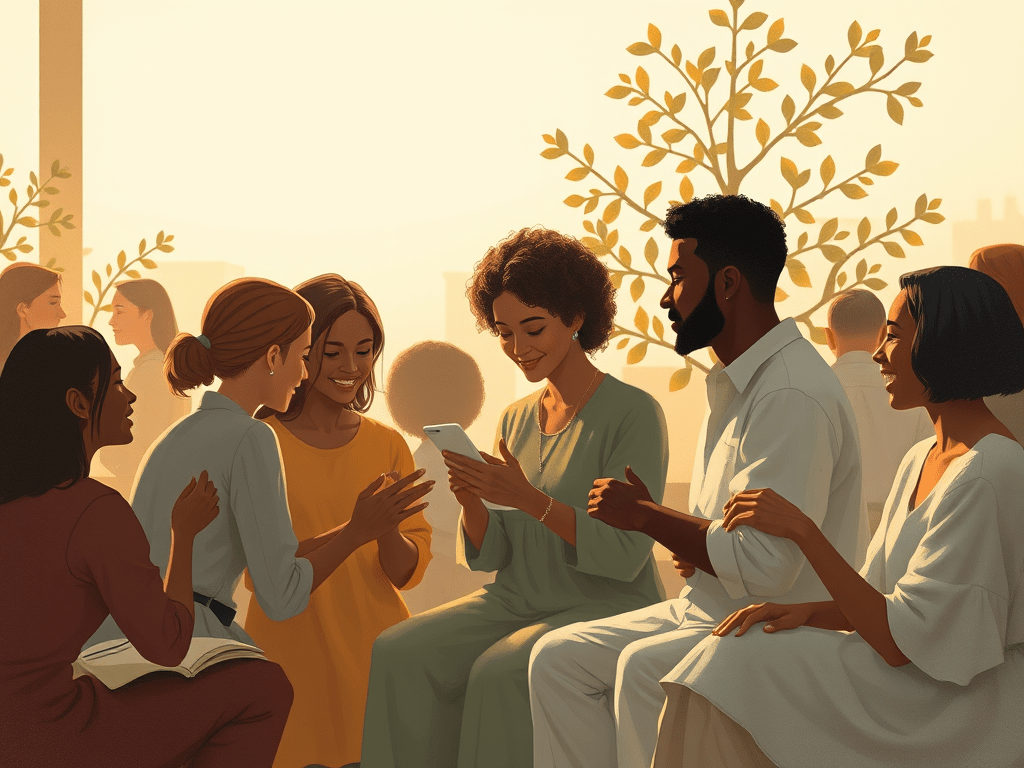
Every social environment — a family, a workplace, a nation — is a field.
A field is not a place.
A field is a patterned space of relations.
A field determines:
- who is centered
- who is peripheral
- who is protected
- who is expendable
- who absorbs conflict
- who sets the emotional weather
Most people do not see the field.
They feel it.
They feel the tension when a volatile person enters the room.
They feel the pressure to perform stability.
They feel the expectation to shrink or expand.
They feel the gravitational pull of hierarchy.
The field carries them long before they understand its shape.
3. The Body as Instrument of the Field
The body responds to the field automatically:
- shoulders tighten
- breath shortens
- voice softens
- posture contracts
- gaze averts
- muscles brace
These responses are not psychological.
They are structural.
The body becomes the instrument through which the field plays its logic.
It adjusts itself to maintain coherence, avoid threat, and preserve stability.
The system carries the body.
The body carries the system.
4. The Emotional Economy of the Field
Every field has an emotional economy — a patterned distribution of:
- fear
- shame
- loyalty
- obligation
- gratitude
- resentment
These emotions are not random.
They are the currency of the system.
For example:
- Fear stabilizes hierarchy.
- Shame enforces compliance.
- Gratitude masks exploitation.
- Loyalty binds the vulnerable.
- Obligation replaces autonomy.
The emotional economy is how the system carries itself forward.
5. The Roles We Inherit, Not Choose
People do not choose their roles in a field.
Roles are assigned by the system:
- the peacekeeper
- the scapegoat
- the enforcer
- the absorber
- the invisible one
- the volatile center
These roles are not personal identities.
They are structural positions.
A person may leave a family, a job, or a relationship — but the role follows them until the underlying field logic is exposed.
The system carries the role.
The role carries the person.
6. The System’s Need for Carriers
A system survives only if people carry its logic.
It needs:
- someone to enforce norms
- someone to absorb blame
- someone to maintain silence
- someone to perform stability
- someone to embody threat
- someone to carry the emotional load
These roles are distributed not by merit, but by vulnerability.
The system carries itself through the people it positions.
7. How People Become Carriers Without Knowing
People become carriers of the system when they internalize:
- the emotional logic
- the linguistic residues
- the relational patterns
- the expectations of obedience
- the fear of deviation
This internalization is not consent.
It is adaptation.
A person carries the system because the system once carried them.
8. The System as Inheritance
Systems are inherited the way languages are inherited — unconsciously, automatically, and long before understanding.
People inherit:
- the tone of their household
- the emotional rules of their community
- the relational patterns of their culture
- the expectations of their institutions
- the logic of their nation
This inheritance is not genetic.
It is structural.
The system carries forward through the bodies that learned to survive it.
9. The Illusion of Individual Behavior
Most behavior that appears individual is structural:
- self‑silencing
- over‑functioning
- conflict avoidance
- hypervigilance
- self‑containment
- people‑pleasing
- emotional suppression
These are not personality traits.
They are adaptations to fields that required them.
The system carries the behavior.
The behavior carries the system.
10. The System’s Self‑Repair Mechanism
When someone disrupts the field — by refusing a role, breaking silence, or challenging hierarchy — the system attempts to repair itself.
It does this through:
- backlash
- scapegoating
- isolation
- moralizing
- narrative distortion
- emotional pressure
These reactions are not personal.
They are structural.
The system carries out its own repair protocols.
11. The Continuity of the Operating System
The system that carries us is the same system that carried:
- medieval hostageship
- feudal obligation
- colonial domination
- racialized slavery
- immigration precarity
- military extraction
- carceral control
- economic vulnerability
- micro‑hostage dynamics
The logic is unchanged:
“Someone must carry the burden for the structure to hold.”
The system carries itself through the people it burdens.
12. Why This Chapter Matters for the Unified Theory
This chapter reveals the final layer of exposure:
- the system is not external
- the system is not historical
- the system is not abstract
The system is embodied.
It is relational.
It is emotional.
It is inherited.
It is carried.
Understanding this prepares the reader for the next phase of the manuscript — the moment where the architecture becomes not only visible but interruptible.
The next chapter begins the transition into Part VI — Interruption — where the reader learns how systems break, how patterns collapse, and how fields can be rewired.



















 Survivor Literacy
What do you think?