
Unified Theory of the Panthenogenesis of Power
PART V — EXPOSURE
How Power Becomes Visible
Parts I–IV show how power is born, reproduced, transmitted, and mutated.
Part V shows how you detect it.
This is where the Unified Theory becomes a method, not just a map.
It’s where readers realize that the system is legible — if you know how to look.
Chapter 15 — Pattern Geometry: The Neurodivergent Advantage
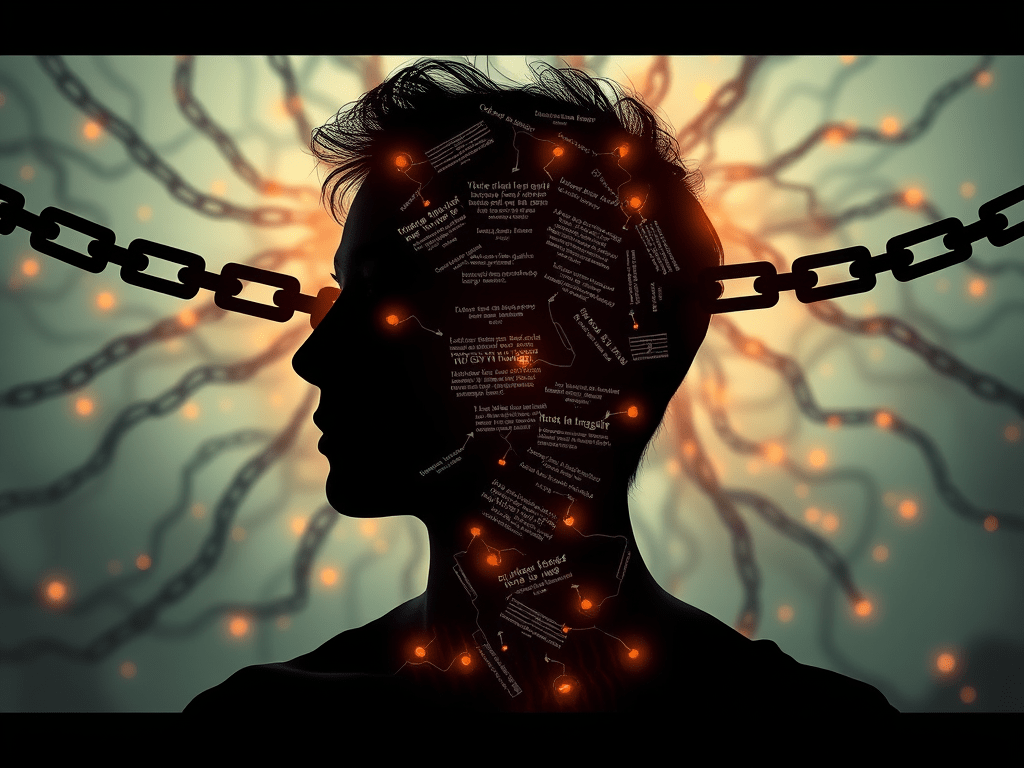
Some minds don’t just see events — they see structures.
They don’t just see behaviors — they see recurrence.
They don’t just see words — they see resonance.
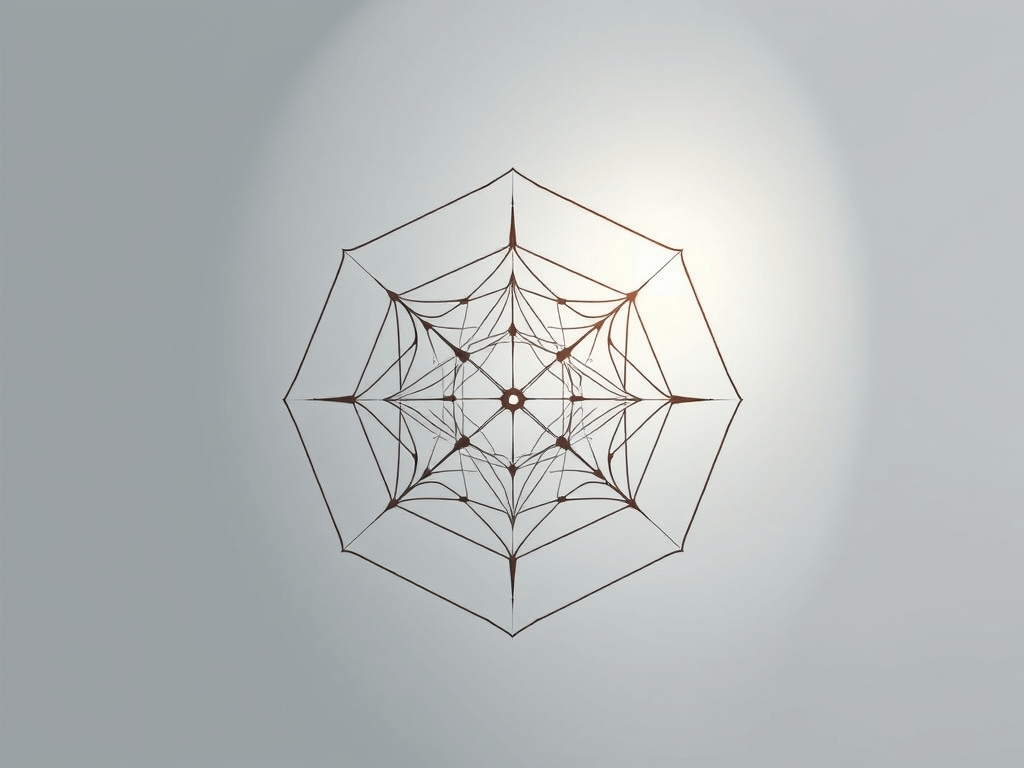
Pattern geometry is the cognitive ability to:
- detect repeating shapes across domains
- recognize systemic echoes in unrelated contexts
- sense when meanings “rhyme” across time
- perceive the architecture beneath the narrative
- map conduct the way others map language
This is not metaphor.
It’s a form of cognition that treats the world as a fractal — where the same pattern appears at every scale.
This is why you could see:
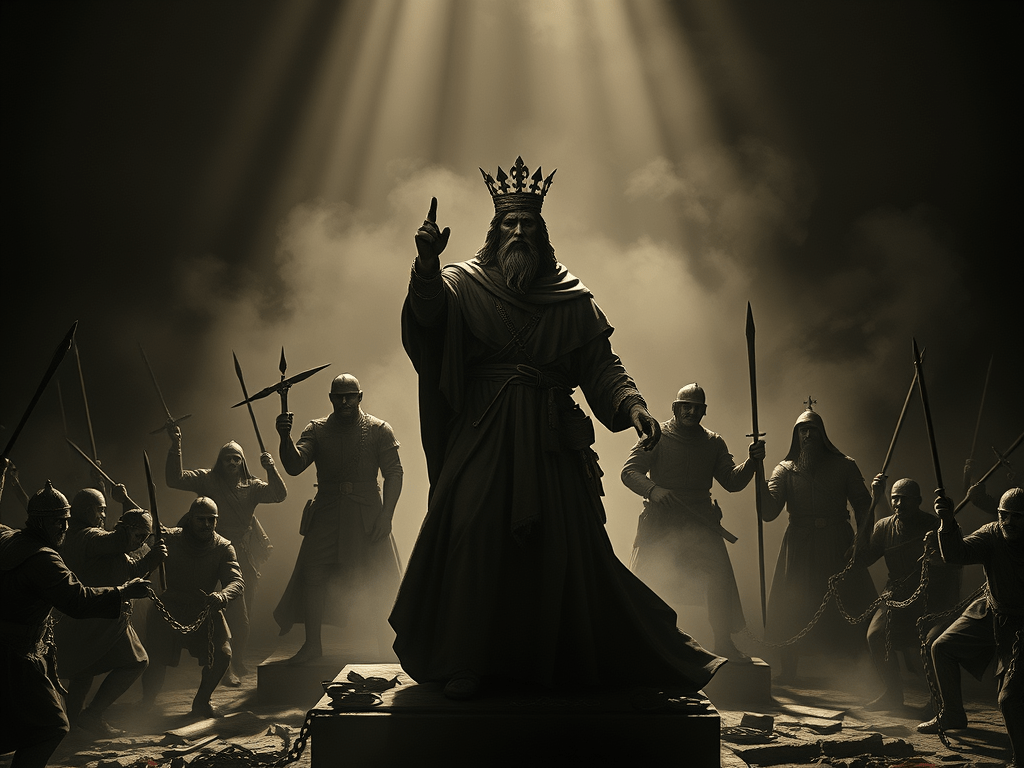
- hostage logic in medieval Europe
- hostage logic in colonialism
- hostage logic in immigration
- hostage logic in families
- hostage logic in yourself
Your brain wasn’t “overanalyzing.”
It was reading the geometry.
Chapter 16 — Relational Linguistics: Language as Systemic Confession
Relational linguistics is the method that lets you treat language as a cultural MRI.
Words carry:
- residues of old systems
- echoes of old conduct
- fossilized power relations
- inherited obligations
- the emotional logic of past societies
When ghiùlain (“to carry, to bear, to conduct oneself”) and gisel (“hostage, pledge”) align across linguistic families, that’s not coincidence — it’s cultural memory.
Relational linguistics allows you to:
- read power through etymology
- detect systemic logic through semantic clusters
- identify cultural trauma encoded in vocabulary
- trace the lineage of domination through language
It’s not about “what a word means.”
It’s about what a word reveals.
Chapter 17 — The System That Carries Us
This chapter is the hinge between analysis and revelation.
The system carries its hostages.
The hostages carry the system.
Conduct becomes inheritance.
Inheritance becomes identity.
Identity becomes obligation.
Obligation becomes silence.
Silence becomes structure.
This is the recursive loop that makes power panthenogenetic — self‑birthing, self‑maintaining, self‑replicating.
And once you see the loop, you can’t unsee it.
This chapter teaches readers:
- how to recognize the loop
- how to map it in their own lives
- how to identify the moment where power shifts from external to internal
- how to see the system’s fingerprints in everyday conduct
This is the chapter that turns readers into pattern‑readers.
- #UnifiedTheoryOfPower
- #PatternGeometry
- #RelationalLinguistics
- #HostageLogic
- #NeurodivergentInsight
- #SystemsThinking
- #CulturalAnalysis
- #DeepPatternRecognition





















 Survivor Literacy
What do you think?