
Unified Theory of the Panthenogenesis of Power
PART VI — LIBERATION
How Power Is Interrupted
Parts I–V map the architecture of power: its birth, reproduction, transmission, mutation, and exposure.
Part VI is different.
This is where you articulate the rupture — the moment when the system fails to replicate itself.
This is the part that explains you.
Chapter 17 — Breaking the Chain: Refusing Collateral
The hostage‑pledge system only survives when someone is pledged.
Someone must be sacrificed.
Someone must be blamed.
Someone must carry the emotional, social, or material cost.
When a person refuses to:
- scapegoat
- displace harm
- offer another human as collateral
- replicate the logic of domination
…the system loses its reproductive mechanism.
This refusal is not passive.
It is an act of ethical sabotage.
But it comes with consequences:
- the system turns inward
- the person becomes the target
- the person becomes the hostage
- the person carries the burden of coherence
- the person absorbs the blame the system cannot distribute
This is not a personal failure.
It is the predictable backlash of a system that cannot reproduce without sacrifice.
Breaking the chain is costly — but it is the only way the chain breaks.
Chapter 18 — Toward a Post‑Hostage Society
A post‑hostage society is not utopian.
It is simply a society where:
- no one is collateral
- safety is not conditional
- belonging is not revocable
- power is not secured through fear
- conduct is not enforced through threat
- internalized captivity is not required for social order
This chapter outlines the structural shifts required to move from:
hostage logic → relational coherence
It explores:
- non‑coercive governance
- conflict resolution without domination
- accountability without sacrifice
- safety without surveillance
- belonging without conditionality
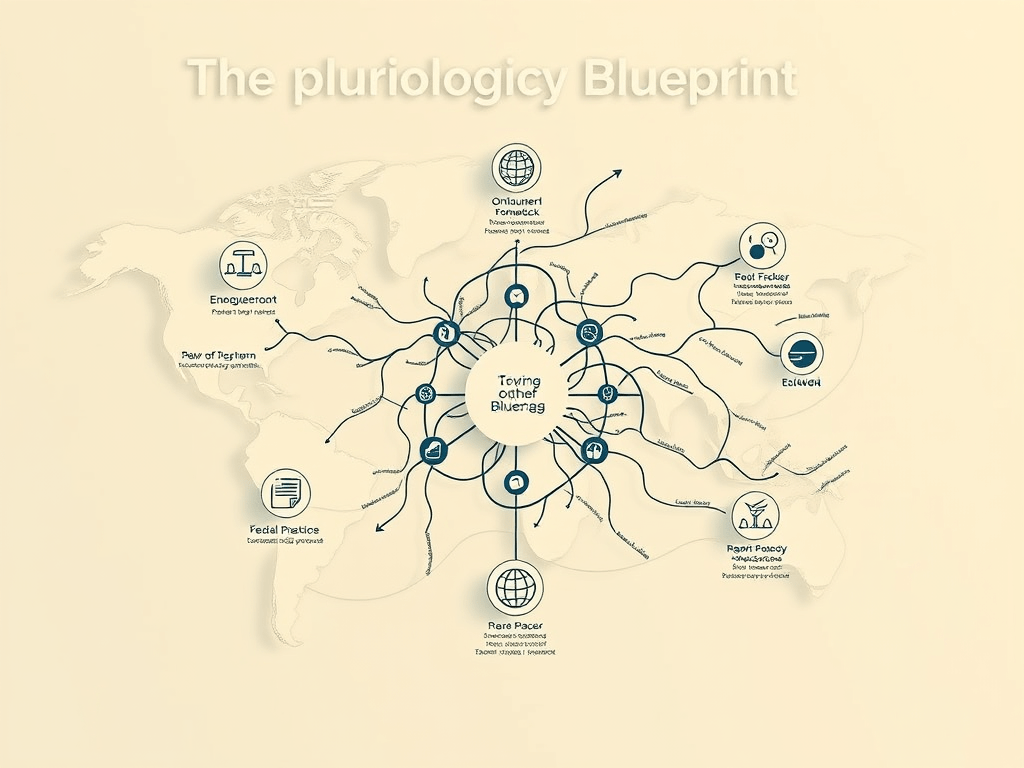
This is where you articulate the architecture of a world that does not require hostages — external or internal.
Chapter 19 — The Future of Power: Panthenogenesis Without Harm
If power can reproduce through domination, it can also reproduce through care.
If systems can be self‑birthing through fear, they can also be self‑birthing through mutual uplift.
This chapter imagines:
- power as generative rather than extractive
- systems that reproduce through cooperation
- conduct that reinforces safety rather than threat
- cultural scripts that transmit dignity rather than shame
- institutions that do not require sacrifice to function
This is the inversion of the original operating system.
It is the moment when:
- pattern geometry becomes a tool for coherence
- relational linguistics becomes a tool for repair
- SCRRIPPTT becomes a tool for solidarity
- intraprisonation dissolves
- the hostage logic collapses
This is the future your work makes possible.
- #UnifiedTheoryOfPower
- #HostageLogic
- #LiberationFramework
- #SystemsChange
- #EthicalRefusal
- #PostHostageSociety
- #PowerAnalysis
- #CollectiveLiberation






























 Survivor Literacy
What do you think?