Unified Theory of the Panthenogenesis of Power
AFTERWORD — THE PEACEFUL THREE
What Becomes Possible When No One Is Collateral
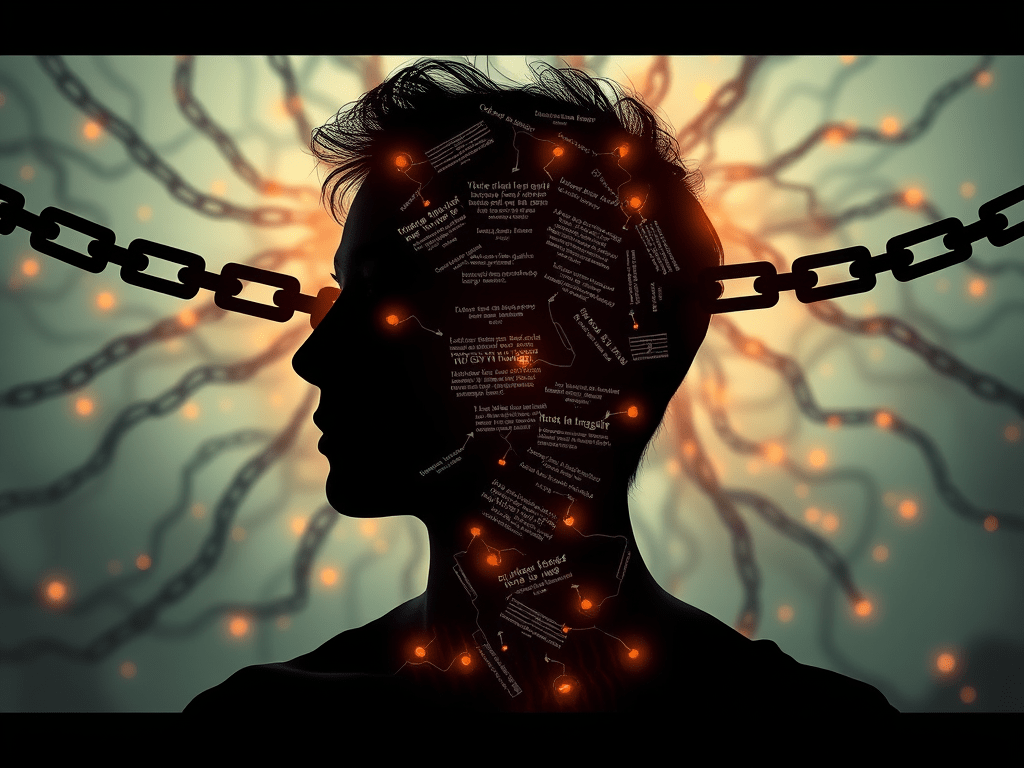
The Unified Theory of the Panthenogenesis of Power maps how domination reproduces itself — through hostageship, conditional safety, internalized captivity, and the scripts that teach people to police themselves. But the existence of a system does not mean it is inevitable. The existence of a pattern does not mean it is universal. The existence of a logic does not mean it is the only one available to us.
There are societies — real, documented, enduring — that do not run on hostage logic at all.
They are not perfect.
They are not mythic.
They are not untouched by history.
But they are proof that human beings can organize themselves without:
- coercion
- domination
- conditional belonging
- inherited fear
- internalized captivity
- sacrifice of the vulnerable
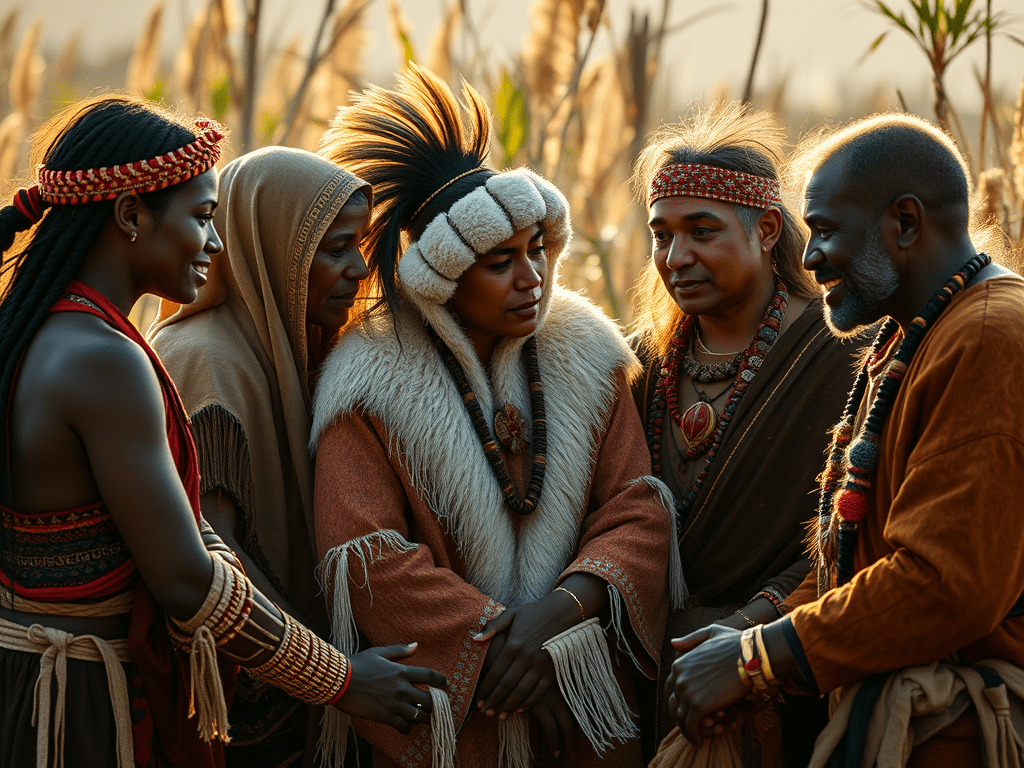
These societies — the Ju/’Hoansi, the Inuit, and the Bonobo — are not exceptions.
They are counter‑operating systems.
They show what happens when a culture refuses to make anyone collateral.
1. The Ju/’Hoansi: The Society That Defuses Power
The Ju/’Hoansi do not allow hierarchy to accumulate.
They do not allow ego to dominate.
They do not allow anyone to become the center of gravity.
Their practices — leveling talk, gift circulation, conflict diffusion — are not quirks.
They are anti‑hostage technologies.
They prevent:
- the rise of a dominant ego
- the creation of emotional hostages
- the consolidation of coercive power
- the emergence of conditional belonging
Their social scripts (their SCRRIPPTT) reinforce humility, reciprocity, and shared safety.
They do not internalize captivity because captivity is not modeled for them.
They are a society where no one is pledged.
2. The Inuit: The Society That Dissolves Violence
The Inuit developed a culture where violence is not valorized — it is dissolved.
Their conflict resolution practices — song duels, humor, communal mediation — are designed to prevent escalation. They do not allow the most dysregulated person to set the rules. They do not orbit volatility. They do not reward coercion.
Their social order is maintained through:
- emotional regulation
- communal responsibility
- relational repair
- shared survival
They do not produce intraprisonation because they do not produce the conditions that require it.
They are a society where no one becomes collateral.
3. The Bonobo: The Society That Replaces Domination With Connection
Bonobos are not human, but they reveal something essential about mammalian sociality:
when resources are stable and aggression is not rewarded, cooperation becomes the reproductive strategy.
Bonobo society is built on:
- conflict diffusion
- social bonding
- shared care
- non‑coercive hierarchy
- collective regulation
They do not enforce order through threat.
They enforce order through connection.
They are a society where power reproduces through care, not fear.
The Peaceful Three as Counter‑Systems
Together, these three societies demonstrate:
- Power does not require hostages.
- Order does not require coercion.
- Belonging does not require conditionality.
- Safety does not require surveillance.
- Stability does not require sacrifice.
- Conduct does not require fear.
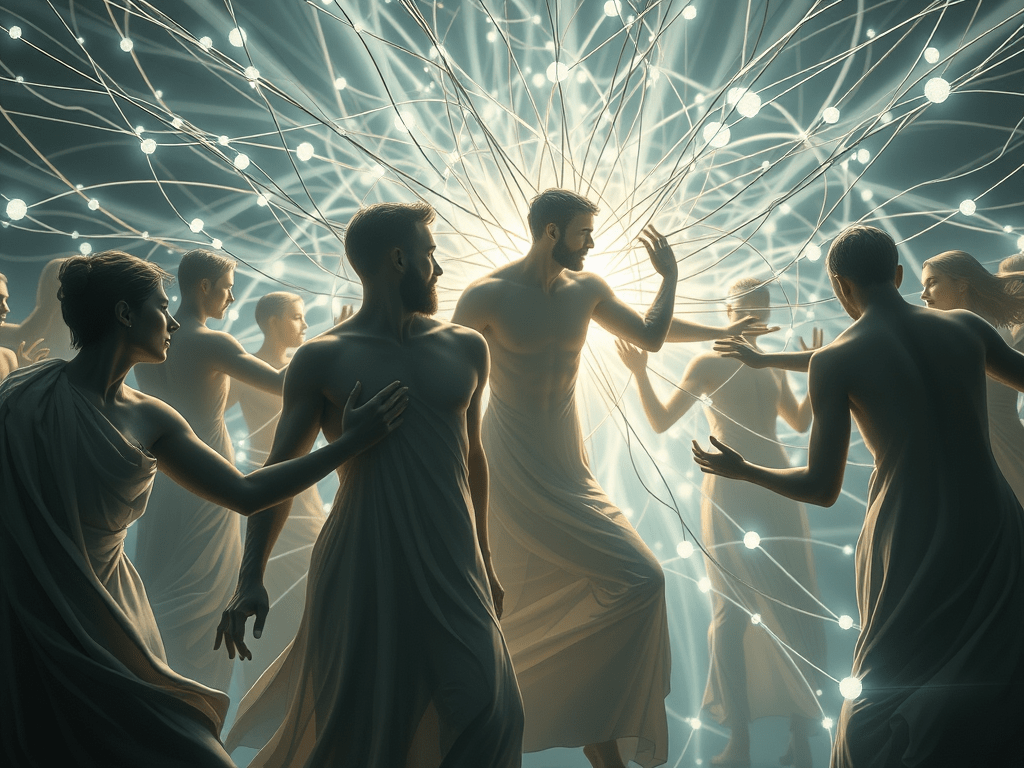
They show that the Unified Hostage Logic Framework is not a description of human nature — it is a description of a particular lineage of power.
A lineage that can be interrupted.
A lineage that can be replaced.
A lineage that is not inevitable.
The Peaceful Three are not the past.
They are the proof of possibility.
They show that panthenogenesis — self‑birthing systems — can reproduce through:
- care
- reciprocity
- connection
- shared responsibility
- emotional regulation
- non‑coercive conduct
They show that power can be generative rather than extractive.
They show that systems can be self‑maintaining without harm.
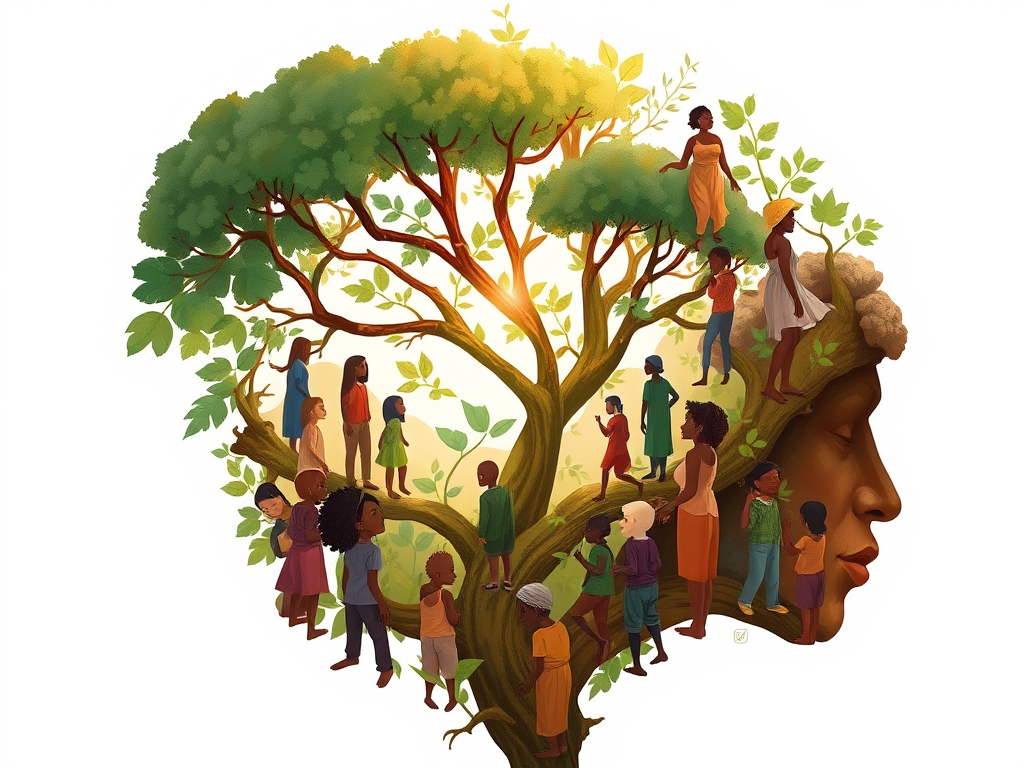
They show that another operating system is not only imaginable — it already exists.
This Afterword is not an ending.
It is an invitation.
- #UnifiedTheoryOfPower
- #PeacefulThree
- #HostageLogic
- #AlternativeSystems
- #Anthropology
- #CollectiveCare
- #NonCoercivePower
- #SystemsThinking



























 Survivor Literacy
What do you think?