Pluriology
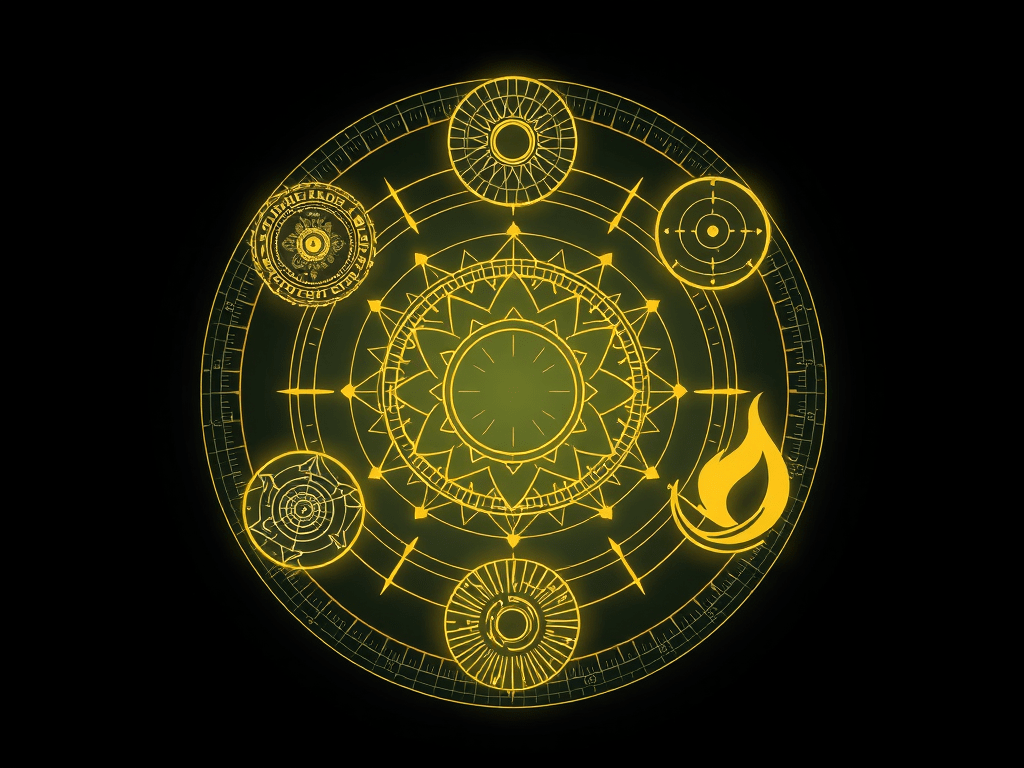
The Pluriological Symbols & Sigils — Visual Emblems That Encode the Discipline’s Ontology and Ethics
#PluriologicalSigils #SymbolicArchitecture #VisualOntology #ManyInRelation
Every mature discipline eventually develops a visual language — symbols, sigils, and emblems that condense its worldview into forms that can be seen rather than merely understood. Mathematics has notation. Alchemy had glyphs. Music has scores. Pluriology, as a discipline of rhythm, relation, and multiplicity, naturally generates a symbolic architecture that mirrors its ontology.
These symbols are not decorative. They are compressed meaning‑structures — visual containers for rhythm, field, mode, and multiplicity. They allow practitioners to recognize coherence at a glance. They serve as anchors for ritual, pedagogy, cartography, and lineage transmission.
This chapter outlines the core symbols and sigils of Pluriology — the visual grammar of the many‑in‑relation.
I. What Makes a Symbol Pluriological
#SymbolCriteria #RelationalGlyphs
A Pluriological symbol must:
- encode relational logic
- reflect rhythmic movement
- honor multiplicity
- avoid hierarchy
- remain non‑pathologizing
- be recursive (readable at multiple scales)
- function as a field‑shaping object
A symbol is not a logo.
It is a relational diagram.
II. The Core Symbols of the Discipline
#CoreSymbols #VisualOntology
These symbols represent the foundational structures of Pluriology.
1. The Circle — The Pluriome
Symbol of the relational field.
A simple, unbroken circle represents:
- the field as container
- the field as medium
- the field as co‑author
It is the most fundamental symbol in the discipline.
2. The Spiral — The Pluriogenic Cycle
Symbol of rhythmic recursion.
The spiral encodes:
- Perception → Reconfiguration → Connection → Output
- contraction → stabilization → crest → reset
- cycles within cycles
It is the visual heartbeat of Pluriology.
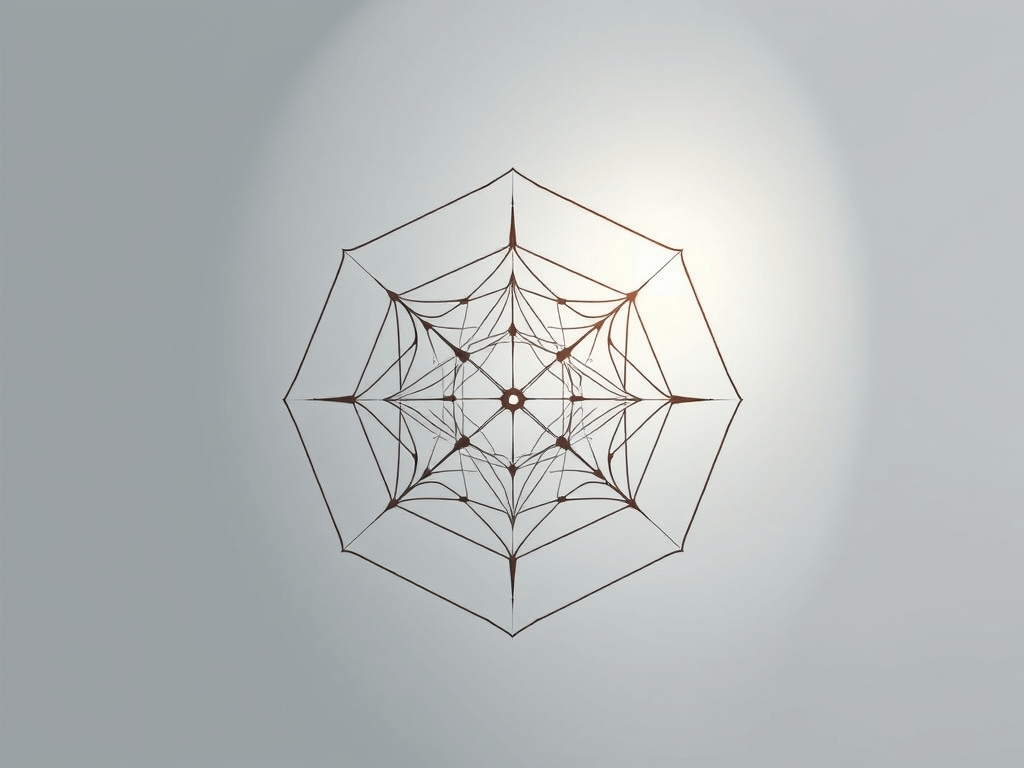
3. The Loom — The Reconfiguration Matrix
Symbol of internal reorganization.
A grid of interwoven lines represents:
- identity as woven, not fixed
- patterns dissolving and reforming
- multiplicity as fabric
It is the sigil of the Weaver archetype.
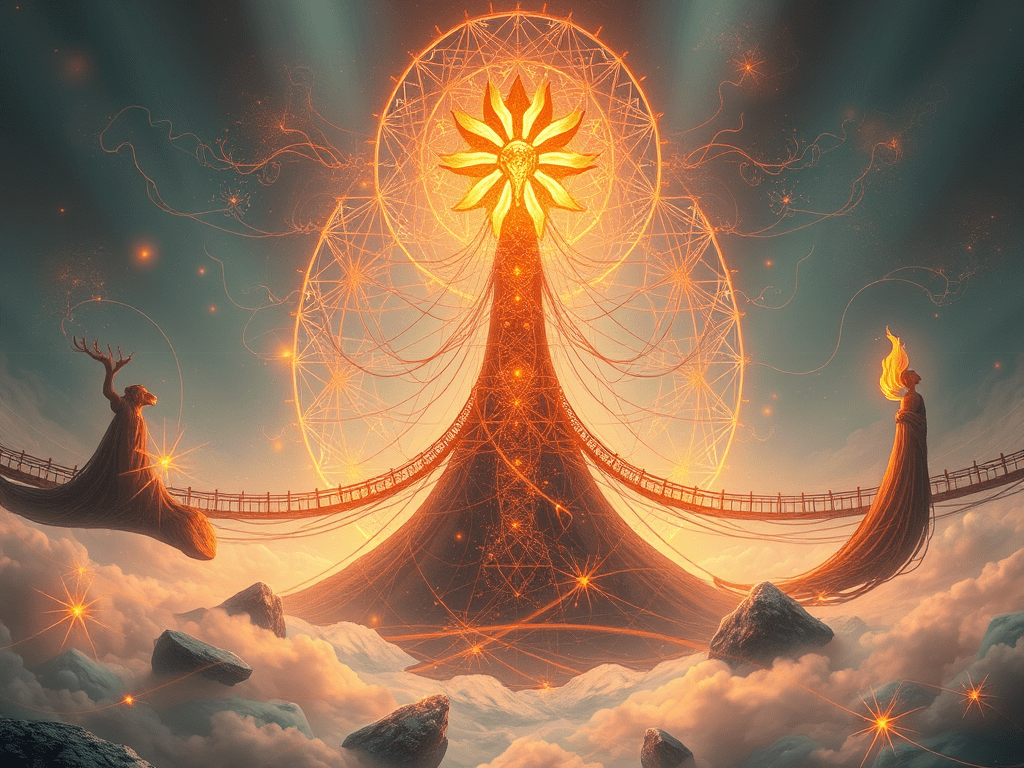
4. The Bridge — The Relational Between
Symbol of connection and synchrony.
Two arcs meeting in the middle represent:
- resonance
- relational coherence
- mode synchrony
It is the sigil of the Bridge archetype.
5. The Flame — The Crest of Output
Symbol of expression and completion.
A rising, tapering shape represents:
- creative crest
- expressive clarity
- cycle completion
It is the sigil of the Flame archetype.
III. The Disturbance Sigils — Visualizing Adaptive Mismatch
#DisturbanceSigils #AdaptiveGlyphs
Each Pluriogenic Disturbance has a sigil that encodes its rhythmic pattern.
1. The Storm (Overrider)
Jagged, upward‑tilting lines.
Symbol of agitation and premature rising.
2. The Depth (Submerged)
A downward spiral.
Symbol of heaviness and blocked sinking.
3. The Stone (Stabilizer)
A square inside a circle.
Symbol of rigidity inside relational flow.
4. The Swarm (Scatterfield)
Dots dispersing outward.
Symbol of fragmentation and dispersal.
5. The Eclipse (Overloaded)
A dark circle covering a bright one.
Symbol of bandwidth collapse.
6. The Shattered Mirror (Fragmented Map)
Broken radial lines.
Symbol of identity discontinuity.
These sigils help practitioners recognize disturbances without judgment.
IV. The Ethical Sigils — Visual Anchors for Integrity
#EthicalSigils #DisciplinaryIntegrity
Pluriology’s ethics are encoded in a set of sigils used in pedagogy, ritual, and institutional design.
1. The Open Hand — Non‑Pathology
A curved, upward‑facing shape.
Symbol of honoring what is present.
2. The Empty Center — Non‑Interference
A hollow circle.
Symbol of leaving space for emergence.
3. The Interwoven Lines — Multiplicity Honor
Three lines crossing without merging.
Symbol of many‑in‑relation.
4. The Tidal Curve — Rhythmic Integrity
A wave form.
Symbol of respecting timing.
5. The Leaf Spiral — Ecological Compassion
A spiral with organic curvature.
Symbol of contextualizing everything.
These sigils function as the moral geometry of the discipline.
V. The Cartographic Sigils — Tools for Mapping Coherence
#MappingSigils #VisualCartography
These symbols appear on Pluriological maps, charts, and landscapes.
1. The Anchor Dot
Marks stabilization points.
2. The Transition Arrow
Marks mode shifts.
3. The Field Line
Marks relational currents.
4. The Constraint Knot
Marks survival constraints.
5. The Repair Loop
Marks repair cascades.
These sigils make the invisible visually navigable.
VI. The Lineage Sigils — Symbols of Continuity
#LineageSigils #DisciplinaryHeritage
These sigils represent the discipline’s continuity across generations.
1. The Triple Spiral
Symbol of recursive evolution.
2. The Circle of Circles
Symbol of community as Pluriome.
3. The Open Spiral
Symbol of a lineage that grows without closing.
These sigils appear in rituals, gatherings, and institutional seals.
VII. Why Symbols & Sigils Matter
#SymbolicCoherence #VisualLineage
Pluriological symbols:
- compress the ontology into visual form
- stabilize the discipline’s identity
- support intuitive learning
- anchor rituals and pedagogy
- protect the ethics
- unify practitioners
- create a shared visual grammar
- transmit the lineage across generations
They are the visual nervous system of Pluriology.



















 Survivor Literacy
What do you think?