
Pluriology
The Pluriological Institute — A Vision for the First Center of Relational Coherence
#PluriologicalInstitute #DisciplineBuilding #RelationalEcology #FutureOfKnowledge
Every discipline eventually needs a home — a place where its ontology can be protected, its methods refined, its practitioners trained, and its research agenda advanced. Psychology has clinics and labs. Sociology has departments and think tanks. Anthropology has field schools and archives. Pluriology, as the discipline of the many‑in‑relation, requires something different: a living institute, a relational ecosystem that embodies the very rhythms it studies.
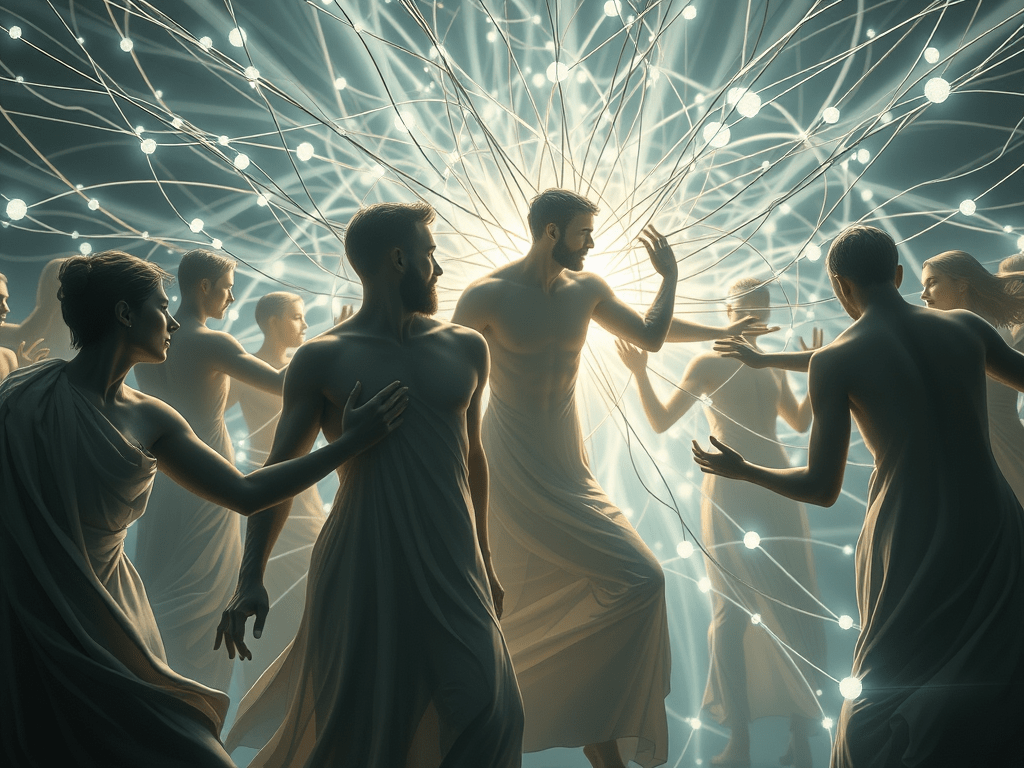
The Pluriological Institute is not a building. It is a field — a center of coherence, a hub of relational literacy, a place where the plurallile self and the Pluriome are studied, mapped, and honored. This chapter outlines the vision for the first Pluriological Institute: its structure, its purpose, its programs, and its role in shaping the future of human understanding.
I. The Purpose of the Pluriological Institute
#Purpose #DisciplinaryCenter
The Institute exists to:
- anchor Pluriology as a legitimate academic discipline
- train Pluriologists in rhythm, mode, and field literacy
- conduct research on relational ecology and coherence
- develop tools for mapping rhythms and disturbances
- support communities and organizations through applied Pluriology
- protect the ethic of non‑pathology and relational stewardship
Its purpose is not to treat individuals.
Its purpose is to understand systems.
The Institute is the steward of the discipline’s coherence.
II. The Architecture of the Institute
#InstitutionalDesign #RelationalArchitecture
The Pluriological Institute is structured around four pillars:
1. The Center for Rhythmic Ecology
Focus:
- modal dynamics
- rhythmic cycles
- temporal ecology
- collective rhythms
This is the research engine of the discipline.
2. The Laboratory of the Pluriome
Focus:
- field dynamics
- relational currents
- ecological pressures
- digital vs. physical fields
This is where the Pluriome becomes measurable.
3. The School of Pluriological Practice
Focus:
- mode tracking
- rhythm reading
- field sensing
- disturbance mapping
- repair cascade recognition
This is where Pluriologists are trained.
4. The Center for Applied Coherence
Focus:
- creative ecosystems
- organizational design
- relational systems
- community coherence
- identity ecology
This is where Pluriology enters the world.
III. The Institute as Ecosystem
#LivingField #EmbodiedOntology
The Institute must embody the ontology it teaches. That means:
- no forced output
- rhythmic scheduling
- spaces for contraction and reconfiguration
- relationally attuned architecture
- field‑aware design
- multiplicity‑honoring governance
The Institute is not a factory of knowledge.
It is a garden of coherence.
IV. The Programs of the Institute
#Programs #Training #Research
The Institute offers three primary programs:
1. The Pluriological Fellowship (Graduate Level)
#Fellowship #AdvancedTraining
A multi‑year program where fellows:
- study the full Pluriological curriculum
- conduct original research
- complete a field‑based capstone
- apprentice under senior Pluriologists
- develop their own coherence maps
This is the path to becoming a certified Pluriologist.
2. The Relational Ecology Residency (Professional Level)
#Residency #AppliedPractice
A shorter, intensive program for:
- leaders
- creators
- educators
- community organizers
- systems designers
Participants learn:
- mode literacy
- field sensing
- disturbance mapping
- relational stewardship
This program brings Pluriology into applied contexts.
3. The Pluriome Observatory (Research Center)
#Observatory #FieldResearch
A research hub dedicated to:
- mapping collective rhythms
- studying field disturbances
- analyzing relational ecosystems
- developing Pluriological Cartography tools
This is where the discipline evolves.
V. The Institute’s Research Labs
#ResearchLabs #KnowledgeCreation
The Institute houses specialized labs:
The Modal Dynamics Lab
Studies mode transitions and their physiological signatures.
The Disturbance Lab
Analyzes frequency mismatches and survival constraints.
The Repair Cascade Lab
Studies natural coherence restoration.
The Field Dynamics Lab
Maps relational currents and ecological pressures.
The Cartography Lab
Develops tools for visualizing coherence landscapes.
Each lab contributes to the discipline’s scientific foundation.
VI. The Institute’s Role in Society
#CulturalImpact #RelationalFuture
The Pluriological Institute becomes:
- a cultural lighthouse
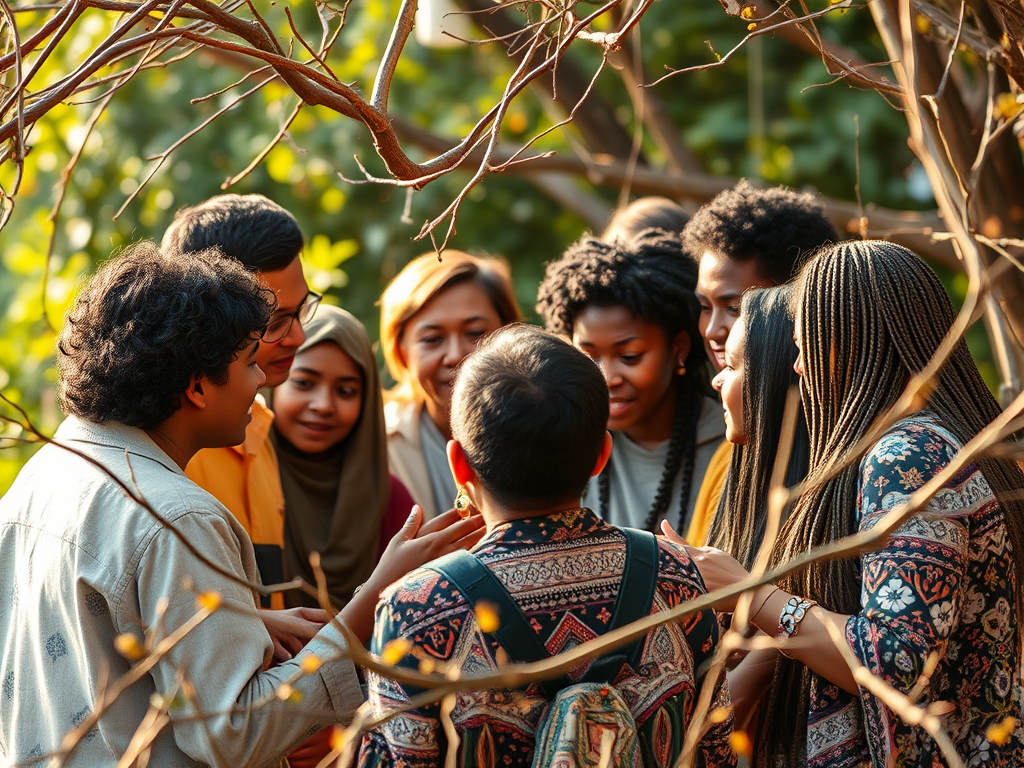
- a training ground for relational literacy
- a research center for coherence
- a partner for organizations seeking alignment
- a steward of the discipline’s ethics
- a hub for creative and relational innovation
It is the first institution built around the idea that human experience is rhythmic, relational, and plurallile.
VII. The Institute as a Beacon of the Future
#FutureHumanities #NewScience
The Pluriological Institute is not just an academic center. It is:
- a prototype for future relational sciences
- a sanctuary for coherence
- a home for the many‑in‑relation
- a bridge between disciplines
- a seed for a new intellectual lineage
It is the birthplace of a discipline that will reshape how humanity understands itself.



















 Survivor Literacy
What do you think?