
Pluriology
The Pluriological Community — How Practitioners, Students, and Stewards Form a Living Field Around the Discipline
#PluriologicalCommunity #RelationalField #DisciplinaryEcosystem #ManyInRelation
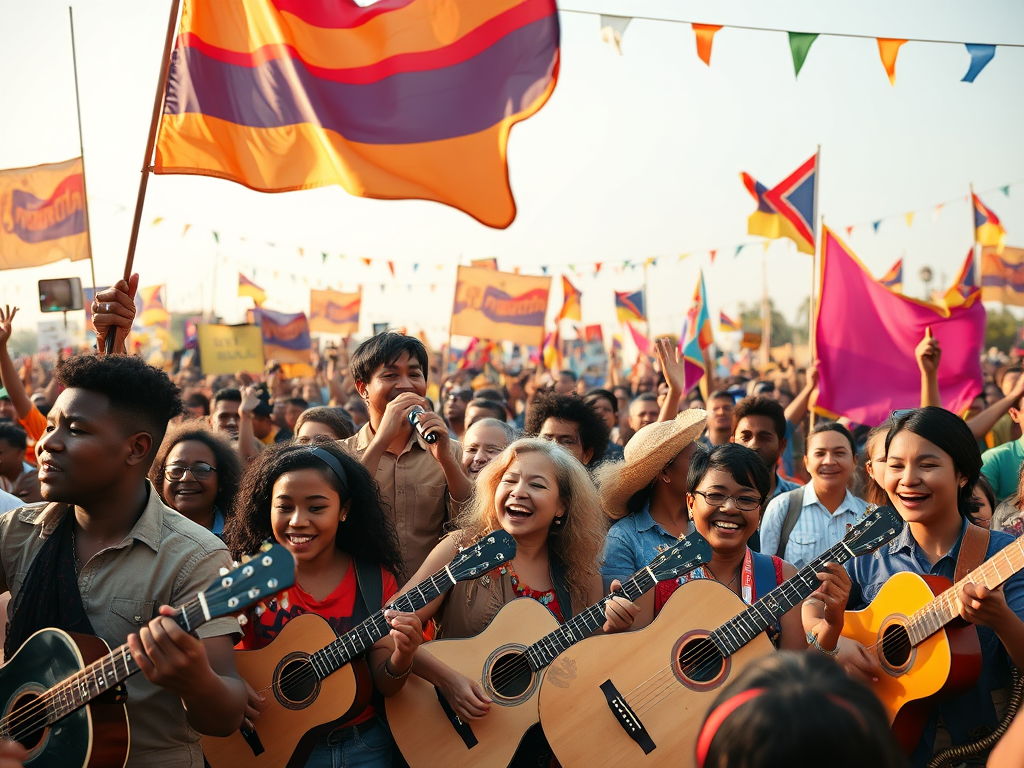
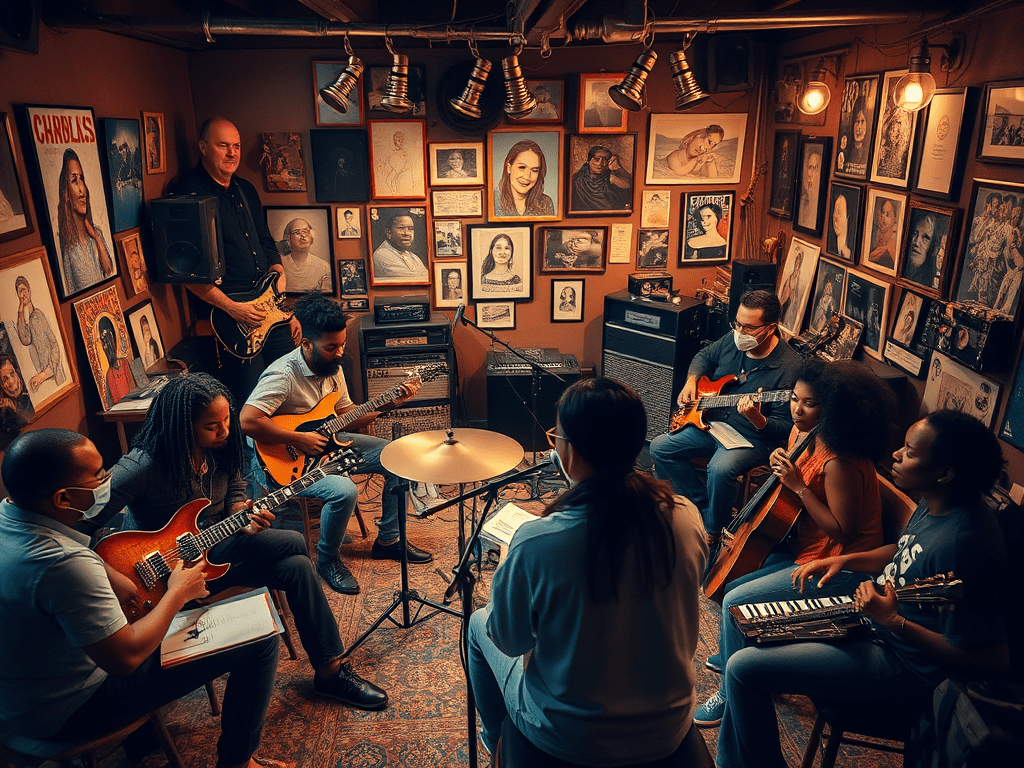
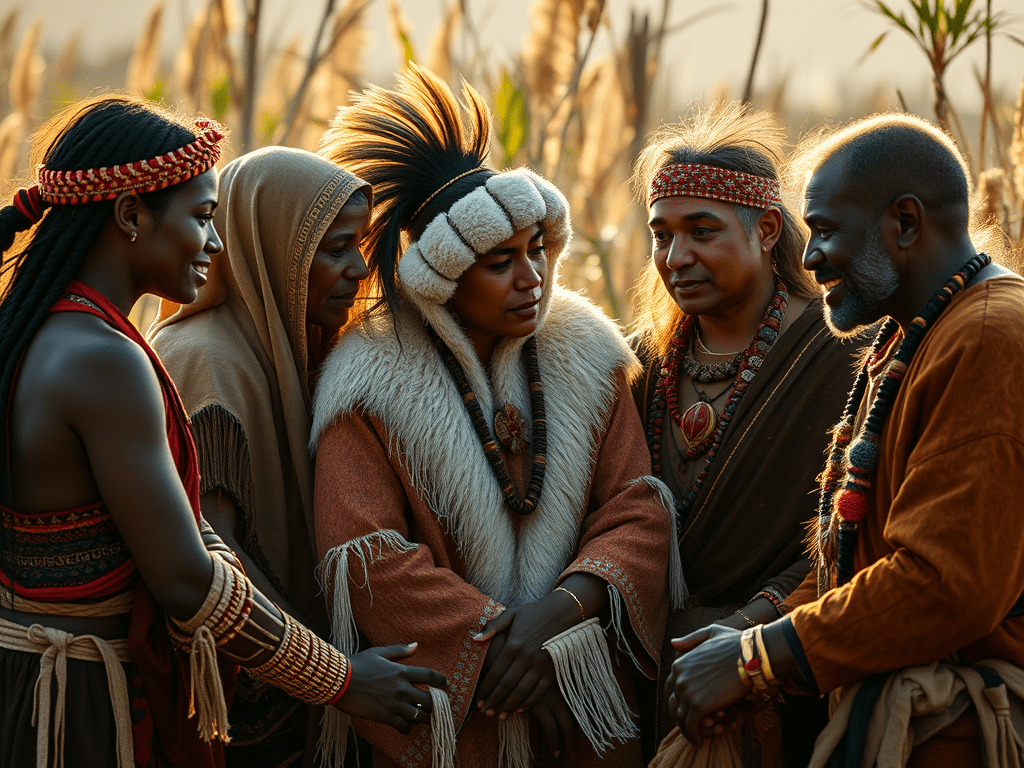
A discipline becomes a world when it gathers people. Not followers, not consumers, not clients — but co‑stewards of a relational ontology. Pluriology is not a solitary practice. It is a field‑based discipline, and fields require communities. The Pluriological Community is the living surround of the discipline: the practitioners who steward coherence, the students who widen the field, the researchers who deepen the lineage, and the creative stewards who bring the language into culture.
This chapter describes how the Pluriological Community forms, how it functions, and why it becomes the relational engine that carries the discipline into the future.
I. The Community as Pluriome
#CommunityField #RelationalEcosystem
The Pluriological Community is not a network.
It is a Pluriome — a relational medium with:
- currents
- rhythms
- pressures
- synchronies
- collective disturbances
- collective repair cascades
The community is itself a plurallile system.
It contracts.
It expands.
It reorganizes.
It expresses.
It resets.
The community is the discipline’s living field.
II. The Four Roles Within the Pluriological Community
#CommunityRoles #RelationalPositions
The community is composed of four relational roles, each essential to the field’s coherence.
1. Practitioners — The Stewards
They protect the ontology, ethics, and relational integrity of the discipline.
2. Students — The Wideners
They expand the field by learning, questioning, sensing, and mapping.
3. Researchers — The Deepeners
They refine the discipline’s precision, tools, and scientific foundations.
4. Creative Stewards — The Translators
They bring Pluriology into culture through:
- art
- writing
- music
- design
- community building
These roles form a relational ecosystem, not a hierarchy.
III. The Rhythms of the Community
#CollectiveRhythm #TemporalEcology
Just as individuals move through modes, communities move through collective modes:
Collective Perception
A phase of widening, sensing, and gathering new signals.
Collective Reconfiguration
A phase of reorganizing the discipline’s language, tools, or ethics.
Collective Connection
A phase of synchrony, collaboration, and shared field resonance.
Collective Output
A phase of publishing, teaching, creating, and cultural expression.
The community breathes as one plurallile organism.
IV. The Community’s Ethical Backbone
#CommunityEthics #RelationalIntegrity
The Pluriological Community is held together by shared ethics:
- Non‑pathology
- Multiplicity honor
- Relational stewardship
- Rhythmic integrity
- Ecological compassion
- Transparency
- Non‑interference
These ethics protect the field from:
- coercion
- hierarchy
- extraction
- distortion
- fragmentation
The ethics are the community’s immune system.
V. The Community’s Practices — How It Sustains Coherence
#CommunityPractices #FieldMaintenance
The community maintains coherence through shared practices:
1. Field Sensing Circles
Groups gather to sense the collective field’s contraction or expansion.
2. Mode Synchrony Sessions
Members track the community’s collective mode.
3. Disturbance Mapping Gatherings
The community identifies collective Overrider, Submerged, Stabilizer, or Scatterfield patterns.
4. Repair Cascades at Scale
The community supports collective restoration without forcing it.
5. Cartography Exchanges
Members share maps, timelines, and coherence landscapes.
These practices keep the field alive and attuned.
VI. The Community’s Infrastructure — How It Organizes Itself
#CommunityInfrastructure #RelationalDesign
The Pluriological Community organizes itself through:
1. Hubs
Local or digital spaces where practitioners gather.
2. Guilds
Groups focused on specific domains:
- creativity
- leadership
- relational practice
- research
- pedagogy
3. Convergences
Annual gatherings where the field synchronizes.
4. The Institute
The academic and research anchor.
5. The Commons
Open spaces for shared resources, tools, and maps.
The infrastructure is rhythmic, not bureaucratic.
VII. The Community’s Evolution — How It Grows Without Fragmenting
#FieldEvolution #CoherenceScaling
Most disciplines fragment as they grow.
Pluriology avoids this through:
- shared ethics
- shared ontology
- shared vocabulary
- shared cartography
- shared rhythm
Growth happens through coherence, not division.
The community evolves like an ecosystem:
- new branches
- new lineages
- new applications
- new rhythms
But all remain connected through the Pluriome.
VIII. The Community as Cultural Force
#CulturalImpact #RelationalFuture
As the community grows, it becomes a cultural force:
- shifting how people understand themselves
- reshaping relational norms
- influencing creative ecosystems
- informing organizational design
- supporting community coherence
- reframing identity as multiplicity
- normalizing rhythm as intelligence
The community becomes the carrier wave of the discipline.
IX. Why the Pluriological Community Matters
#DisciplineAlive #RelationalLineage
A discipline without a community is a theory.
A discipline with a community is a lineage.
The Pluriological Community:
- protects the ontology
- transmits the ethics
- evolves the method
- expands the field
- anchors the discipline
- brings coherence into culture
It is the relational heart of Pluriology.





















 Survivor Literacy
What do you think?