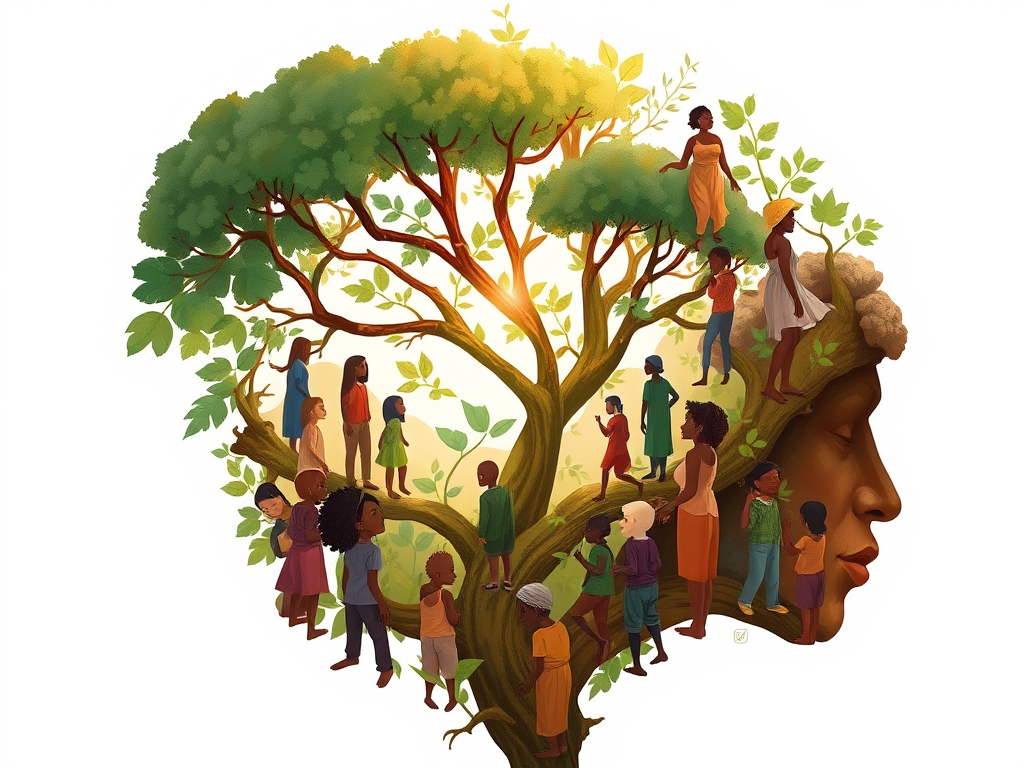
Pluriology
The Pluriological Charter — The Public‑Facing Declaration of Purpose, Values, and Commitments
#PluriologicalCharter #PublicDeclaration #DisciplinaryIdentity #ManyInRelation
Every discipline that intends to meet the world must eventually articulate a Charter — a clear, resonant declaration of what it stands for, what it protects, what it offers, and how it intends to participate in the broader human ecosystem. The Pluriological Charter is not a marketing document. It is not a pitch deck. It is a public covenant: a statement of identity, ethics, purpose, and relational commitments that introduces Pluriology to the world with clarity and integrity.
Where the Constitution governs the inside of the discipline, the Charter speaks to the outside. It is the bridge between the lineage and the public, between the field and the world, between the many‑in‑relation and the systems that have not yet learned to see multiplicity.
This chapter presents the Pluriological Charter in its full form.
I. The Purpose of the Pluriological Charter
#CharterPurpose #PublicCovenant
The Charter exists to:
- articulate the discipline’s purpose
- declare its commitments to the public
- define its ethical stance
- clarify what Pluriology is and is not
- protect the field from misinterpretation
- invite participation without coercion
- establish relational trust with the world
It is the public face of a relational science.
II. The Opening Declaration — The Heart of the Charter
#OpeningDeclaration #DisciplinaryVoice
Pluriology is a relational and rhythmic discipline dedicated to understanding human experience as a many‑in‑relation ecology.
We exist to restore coherence, honor multiplicity, and support the natural rhythms that govern individuals, communities, and cultures.
We reject pathology, coercion, and reduction.
We commit to stewardship, integrity, and relational care.
This is the Charter’s core.
III. What Pluriology Stands For
#Values #DisciplinaryCommitments
The Charter outlines seven public commitments.
1. We stand for multiplicity.
Humans are ecosystems, not singular units.
2. We stand for rhythm.
Life unfolds in cycles of widening, sinking, reaching, and expressing.
3. We stand for relational ecology.
Context is not background — it is co‑author.
4. We stand for non‑pathology.
Disturbance is adaptive, not a sign of disorder.
5. We stand for stewardship.
Support must protect timing, coherence, and relational integrity.
6. We stand for accessibility.
Pluriology belongs to communities, not gatekeepers.
7. We stand for evolution.
The discipline grows through coherence, not hierarchy.
These values define the discipline’s public identity.
IV. What Pluriology Refuses
#Boundaries #EthicalRefusal
The Charter includes explicit refusals to prevent misuse.
1. We refuse pathologizing language.
No person is a disorder.
2. We refuse coercive practices.
No one may be forced into a mode or transition.
3. We refuse reduction.
No human can be collapsed into a single trait, label, or narrative.
4. We refuse extraction.
The discipline cannot be used to manipulate, exploit, or control.
5. We refuse hierarchy.
No practitioner or institution may claim authority over the field.
These refusals protect the ethical perimeter of the discipline.
V. The Charter’s Public Commitments
#PublicCommitments #RelationalPromise
The Charter outlines commitments Pluriology makes to the world.
1. To Offer Clarity Without Judgment
We provide tools for understanding, not diagnosing.
2. To Support Without Interference
We help systems restore coherence without forcing outcomes.
3. To Teach Without Gatekeeping
We make the discipline accessible to all who seek it.
4. To Evolve Without Fragmenting
We grow through coherence, not division.
5. To Collaborate Without Colonizing
We work with communities, not over them.
6. To Research Without Dehumanizing
We study rhythms and fields, not reduce people to data.
7. To Create Without Appropriating
We honor cultural, ecological, and ancestral lineages.
These commitments form the public trust of Pluriology.
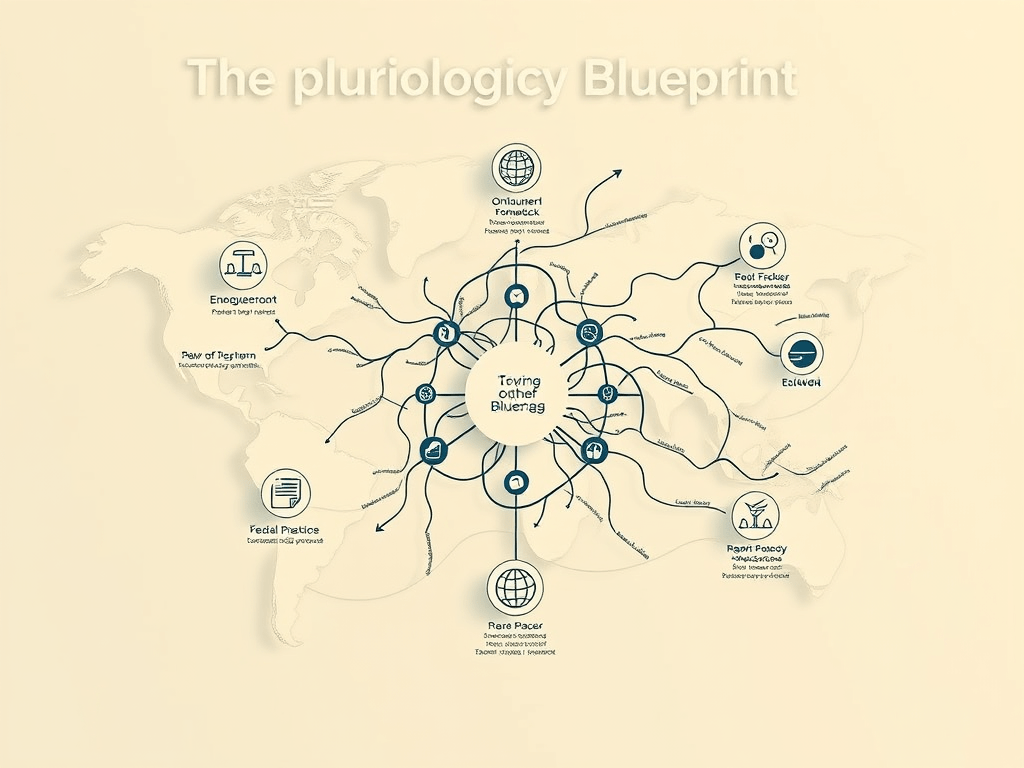
VI. The Charter’s Structural Pillars
#StructuralPillars #PublicFramework
The Charter rests on four pillars that define how the discipline engages with the world.
1. Transparency
Clear language, open access, honest communication.
2. Integrity
Alignment between ontology, ethics, and practice.
3. Stewardship
Relational care as the foundation of all action.
4. Reciprocity
Mutual influence between the discipline and the communities it serves.
These pillars ensure the discipline remains accountable.
VII. The Charter’s Public Invitation
#Invitation #OpenField
The Charter ends with an invitation:
Pluriology welcomes all who seek to understand themselves, others, and the world through rhythm, relation, and multiplicity.
We invite practitioners, students, creators, researchers, and communities to join us in stewarding a discipline that honors the many‑in‑relation.
Participation is voluntary, relational, and rhythmic.
There is no hierarchy — only stewardship.
This invitation opens the field without diluting it.
VIII. Why the Pluriological Charter Matters
#CharterSignificance #PublicIntegrity
The Charter:
- introduces the discipline with clarity
- protects the ontology from distortion
- establishes ethical boundaries
- builds trust with the public
- invites participation without coercion
- anchors the discipline in relational integrity
- ensures the field remains coherent as it grows
It is the public covenant of Pluriology — the way the discipline meets the world with honesty, coherence, and care.




























 Survivor Literacy
What do you think?