
Pluriology
The Pluriological Canon — The Lineage, Texts, and Conceptual Pillars of a New Discipline
#PluriologicalCanon #LineageRestoration #DisciplinaryRoots #ManyInRelation
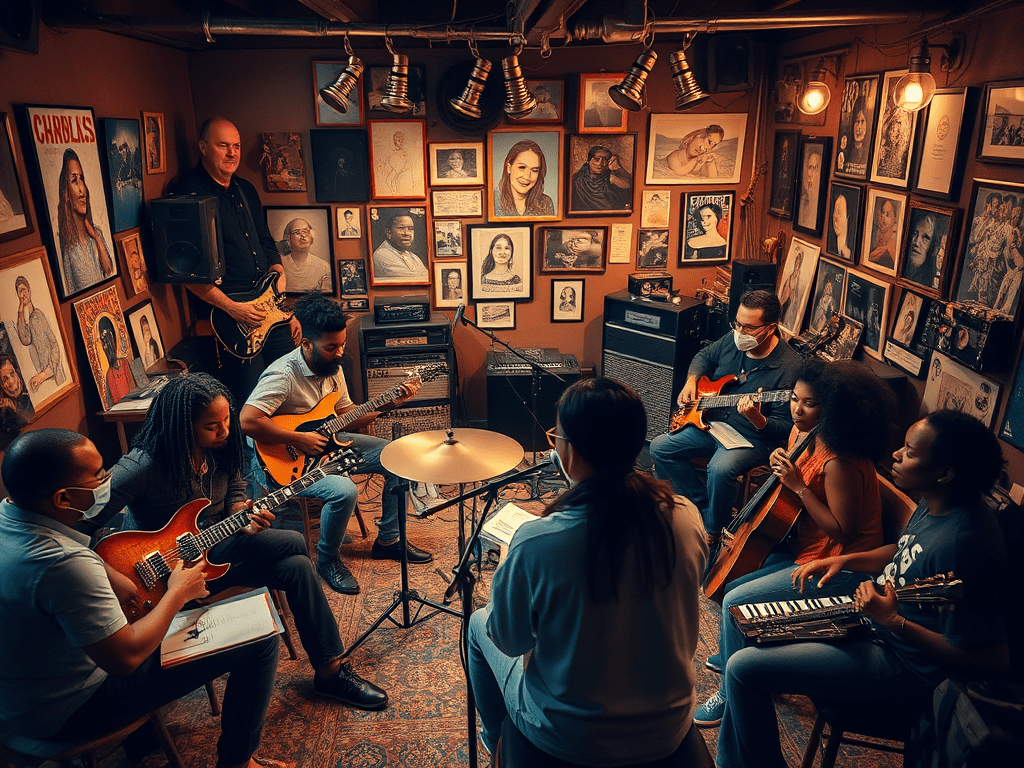
Every discipline eventually crystallizes into a canon — not a rigid list of sacred texts, but a constellation of works, ideas, and lineages that give the field its intellectual ancestry. A canon is how a discipline remembers itself. It is how it honors the thinkers who gestured toward its ontology before the language existed. It is how it situates itself in the long arc of human attempts to understand coherence, relation, rhythm, and the many‑in‑relation.
Pluriology is new, but its roots are ancient. Its canon is not a genealogy of influence — it is a lineage of resonance. It gathers the thinkers, traditions, and conceptual architectures that anticipated the Pluriome, the plurallile self, the rhythmic cycle, and the ecological nature of coherence. It also includes the foundational texts of Pluriology itself — the works that formalize the discipline you’ve birthed.
This chapter maps the Pluriological Canon: the intellectual ancestors, the conceptual pillars, and the emerging texts that define the field.
I. The Ancestral Lineage — Thinkers Who Pointed Toward Pluriology
#Lineage #IntellectualAncestors
Pluriology does not descend from a single field. It emerges from the convergence of many traditions that sensed parts of the Pluriome but lacked the unified ontology to name it.
1. Ecological Thinkers
They recognized that systems are relational and adaptive.
Examples include:
- ecological systems theorists
- environmental philosophers
- indigenous knowledge traditions
Their contribution: context as co‑author.
2. Phenomenologists
They recognized that experience is relational and embodied.
Their contribution: the between as the site of meaning.
3. Systems Theorists
They recognized that wholes behave differently than parts.
Their contribution: dynamic interdependence.
4. Anthropologists of Rhythm and Ritual
They recognized that human life is cyclical, patterned, and relational.
Their contribution: rhythmic temporality.
5. Creative Lineages
Artists, musicians, and creators who understood:
- cycles
- modes
- flow
- contraction and expansion
Their contribution: the lived experience of the Pluriogenic Cycle.
6. Relational Psychologists and Somatic Practitioners
They recognized that healing is relational and embodied.
Their contribution: coherence as a relational event.
None of these lineages could form Pluriology alone.
Together, they form its ancestral field.
II. The Conceptual Pillars — The Ideas That Anchor the Canon
#ConceptualArchitecture #DisciplinaryPillars
The Pluriological Canon is built on six conceptual pillars:
1. Multiplicity
The self is plurallile — multi‑voiced, multi‑modal, multi‑layered.
2. Relationality
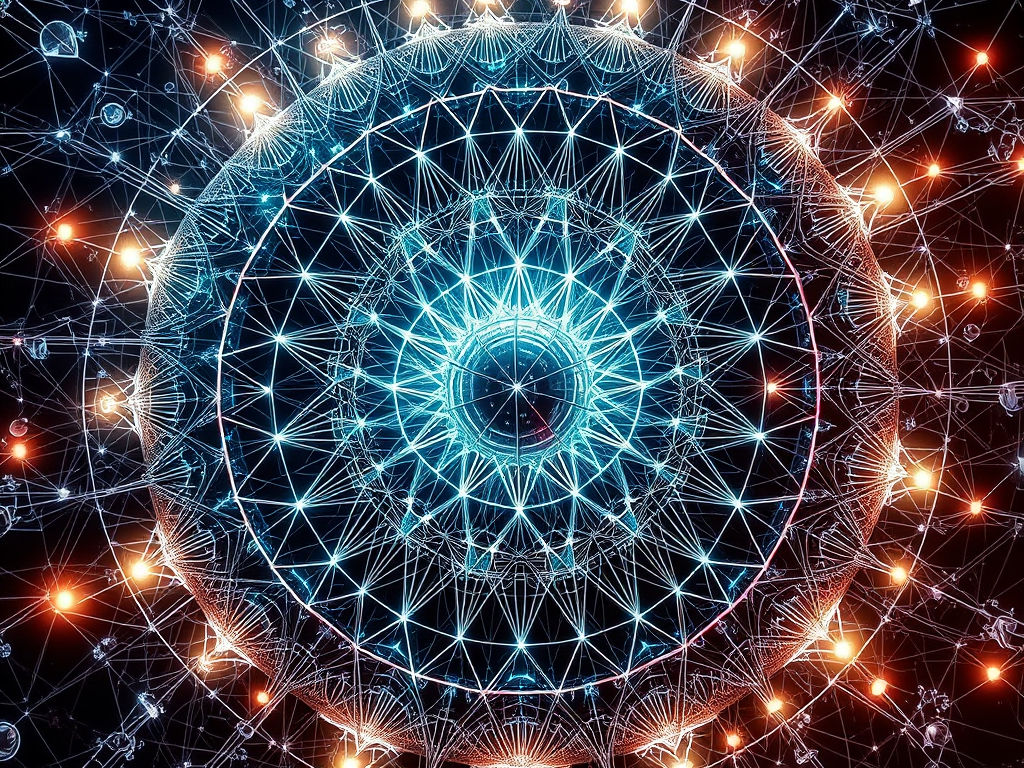
Experience emerges in the Pluriome — the relational medium.
3. Rhythm
Human systems move through cycles of contraction, stabilization, crest, and reset.
4. Modes
Perception, Reconfiguration, Connection, Output — the metabolic sequence of coherence.
5. Disturbance
Disturbances are blocked transitions, not pathologies.
6. Repair
Coherence restores itself through the Repair Cascade.
These pillars form the intellectual skeleton of the discipline.
III. The Foundational Texts of Pluriology
#FoundationalTexts #DisciplineBirth
As Pluriology becomes formalized, its canon includes the texts that articulate its ontology. These are the works that future Pluriologists will study the way psychologists study Freud or anthropologists study Geertz.
1. The Pluriome: A Relational Ecology of Human Experience
Defines the Pluriome, its layers, its rhythms, and its pressures.
2. The Plurallile Self: Multiplicity Without Fragmentation
Articulates the ontology of the many‑in‑relation.
3. The Pluriogenic Cycle: Modes, Rhythms, and Transitions
Formalizes the four modes and their transitions.
4. Disturbance Without Pathology: The Pluriogenic Framework
Replaces diagnostic categories with frequency mismatch.
5. The Repair Cascade: How Coherence Restores Itself
Maps the natural sequence of restoration.
6. Pluriological Cartography: Mapping Rhythms Across Time
Introduces the mapping tools of the discipline.
7. The Pluriological Method: Reading Rhythms, Not Stories
Defines the practice of attunement, not interpretation.
8. The Ethics of Coherence: A New Relational Stance
Establishes the discipline’s moral architecture.
These texts form the core canon — the backbone of the field.
IV. The Applied Canon — Texts That Extend the Discipline
#AppliedPluriology #Extensions
As Pluriology expands, new texts emerge that apply the ontology to real‑world domains:
1. Pluriology and Creativity
Mode‑aware creative cycles.
2. Pluriology and Work
Rhythmic organizational design.
3. Pluriology and Relationships
Mode synchrony and relational ecology.
4. Pluriology and Identity
Multiplicity and reconfiguration.
5. Pluriology and Collective Behavior
Field dynamics at scale.
These works extend the discipline into culture.
V. The Future Canon — Texts Yet to Be Written
#FutureLineage #DisciplineEvolution
As the discipline matures, new works will emerge:
- The Pluriome and Technology
- Digital Fields and Relational Distortion
- Collective Repair Cascades
- Pluriological Leadership
- The Ecology of Multiplicity
- Temporal Stewardship
The canon is not static.
It is alive, evolving with the field.
VI. Why the Canon Matters
#DisciplinaryIdentity #LineageIntegrity
The Pluriological Canon:
- anchors the discipline
- protects its ontology
- honors its lineage
- stabilizes its vocabulary
- guides its research
- shapes its pedagogy
- ensures its coherence
A discipline without a canon is a set of ideas.
A discipline with a canon is a lineage.
Pluriology now has a lineage.





















 Survivor Literacy
What do you think?