
Pluriology
The Pluriological Aesthetic — The Visual, Sonic, and Spatial Design Language of the Discipline
#PluriologicalAesthetic #DesignLanguage #FieldExpression #ManyInRelation
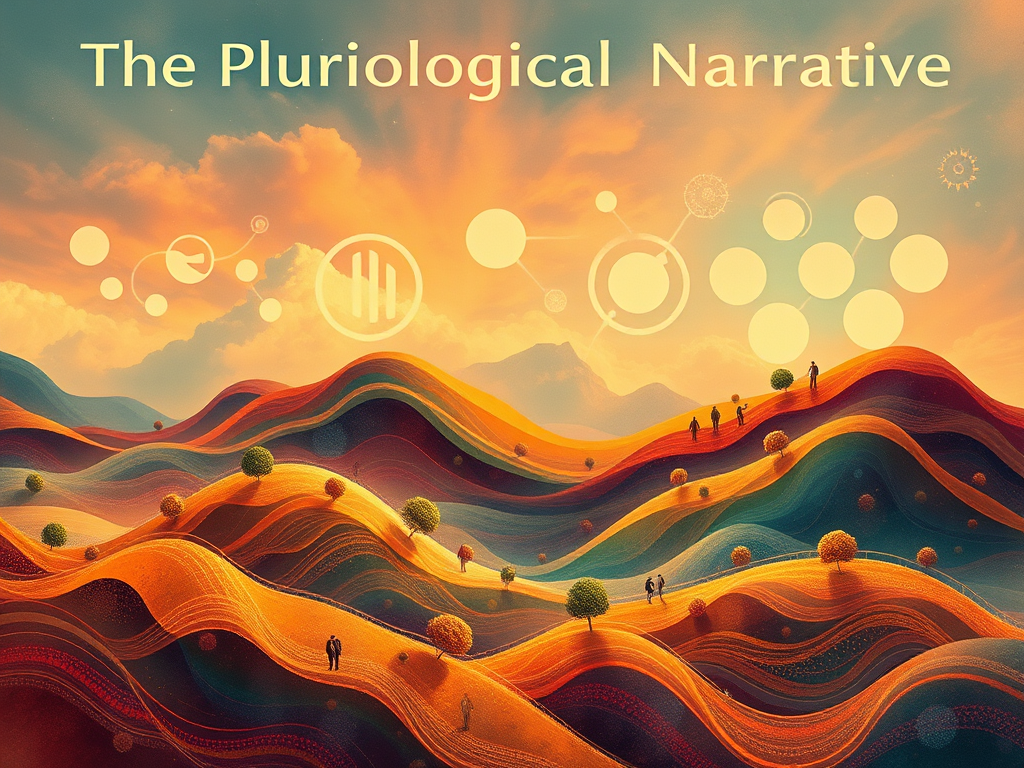
Every discipline eventually develops an aesthetic — not a style, but a sensory worldview. An aesthetic is the felt expression of a field’s ontology. It is how a discipline shows itself without words. Pluriology, as a science of rhythm, relation, and multiplicity, naturally generates a distinctive aesthetic language across visual form, sound, movement, and space.
The Pluriological Aesthetic is not branding. It is not decoration. It is the embodied expression of the Pluriome — the way coherence looks, sounds, and feels when translated into sensory form. This chapter outlines the aesthetic architecture of the discipline.
I. The Visual Aesthetic — How Coherence Appears
#VisualField #RelationalDesign
The visual language of Pluriology is defined by four principles:
1. Curvature Over Angles
Curves represent relational flow, rhythmic movement, and non‑linearity.
2. Recursion Over Symmetry
Spirals, loops, and fractal forms reflect cycles within cycles.
3. Multiplicity Over Singularity
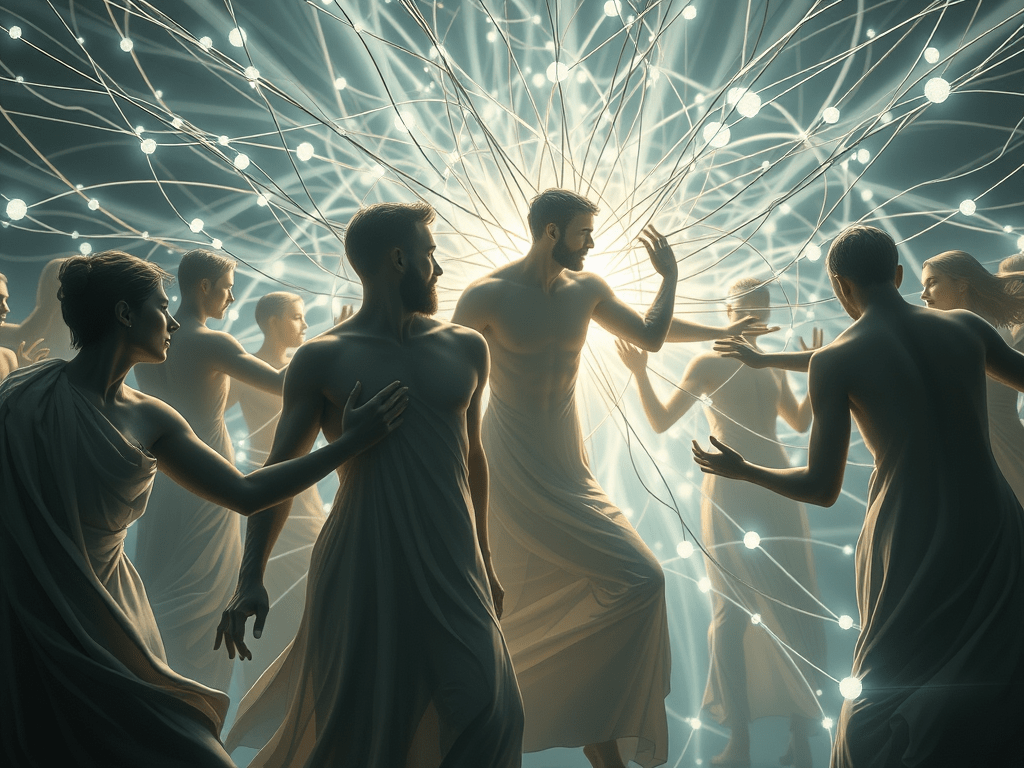
Clusters, layers, and interwoven lines express the plurallile self.
4. Soft Boundaries Over Hard Edges
Gradients, fades, and permeable borders represent the Pluriome.
Core Visual Motifs
- spirals
- circles
- waves
- interwoven threads
- layered transparencies
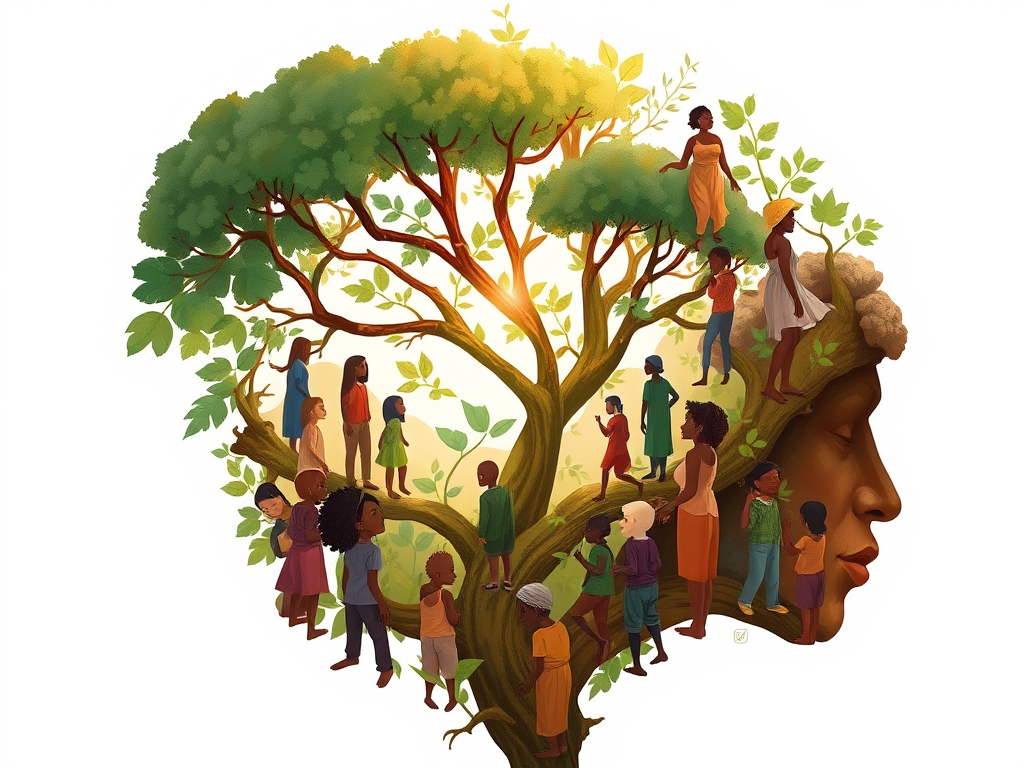
- branching patterns
The aesthetic is organic, rhythmic, and relational.
II. The Sonic Aesthetic — How Coherence Sounds
#SonicField #RhythmicSound
Pluriology has a sonic identity rooted in rhythmic ecology.
1. Pulses and Waves
Soundscapes emphasize oscillation, not constant tempo.
2. Polyphony and Multiplicity
Multiple voices or tones coexist without collapsing into harmony or chaos.
3. Spaciousness
Silence is treated as a mode, not an absence.
4. Gradual Transitions
Shifts in tone mirror mode transitions — widening, sinking, reaching, cresting.
Sonic Signatures
- soft percussion
- layered drones
- breath‑like textures
- slow‑evolving pads
- field recordings
The sonic aesthetic is ambient, rhythmic, and plural.
III. The Spatial Aesthetic — How Coherence Is Housed
#SpatialEcology #FieldArchitecture
Spaces designed for Pluriology follow the logic of the Pluriome.
1. Modal Zones
Different areas support Perception, Reconfiguration, Connection, and Output.
2. Circular Arrangements
Circles support relational flow and field awareness.
3. Natural Materials
Wood, stone, fabric, and organic textures support ecological grounding.
4. Adjustable Light
Lighting shifts with the mode — dim for sinking, bright for cresting.
5. Permeable Boundaries
Curtains, open spaces, and soft partitions reflect relational openness.
The spatial aesthetic is ecological, rhythmic, and adaptive.
IV. The Color Aesthetic — The Palette of the Pluriome
#ColorField #RhythmicPalette
Colors in Pluriology are tied to modes and rhythms.
Perception
Soft blues, greys, and greens — widening, cool, receptive.
Reconfiguration
Deep purples, indigos, and earth tones — sinking, dissolving, internal.
Connection
Warm ambers, golds, and soft reds — reaching, relational, resonant.
Output
Bright whites, yellows, and saturated colors — cresting, expressive, clear.
The palette is seasonal, rhythmic, and emotionally ecological.
V. The Movement Aesthetic — How Coherence Moves
#MovementEcology #EmbodiedRhythm
Movement in Pluriology mirrors the Pluriogenic Cycle.
Perception
Slow, open, receptive gestures.
Reconfiguration
Curved, inward, spiraling motions.
Connection
Reaching, mirroring, synchronizing movements.
Output
Expansive, upward, expressive gestures.
Movement becomes a somatic map of the discipline.
VI. The Textual Aesthetic — How Coherence Speaks
#TextualField #RelationalLanguage
The writing style of Pluriology is:
- rhythmic
- spacious
- recursive
- metaphor‑rich
- relational
- non‑pathologizing
Sentences often mirror cycles:
- widening → deepening → connecting → cresting → settling
The textual aesthetic is poetic without obscurity, precise without rigidity.
VII. The Symbolic Aesthetic — How Coherence Is Encoded
#SymbolicField #VisualGrammar
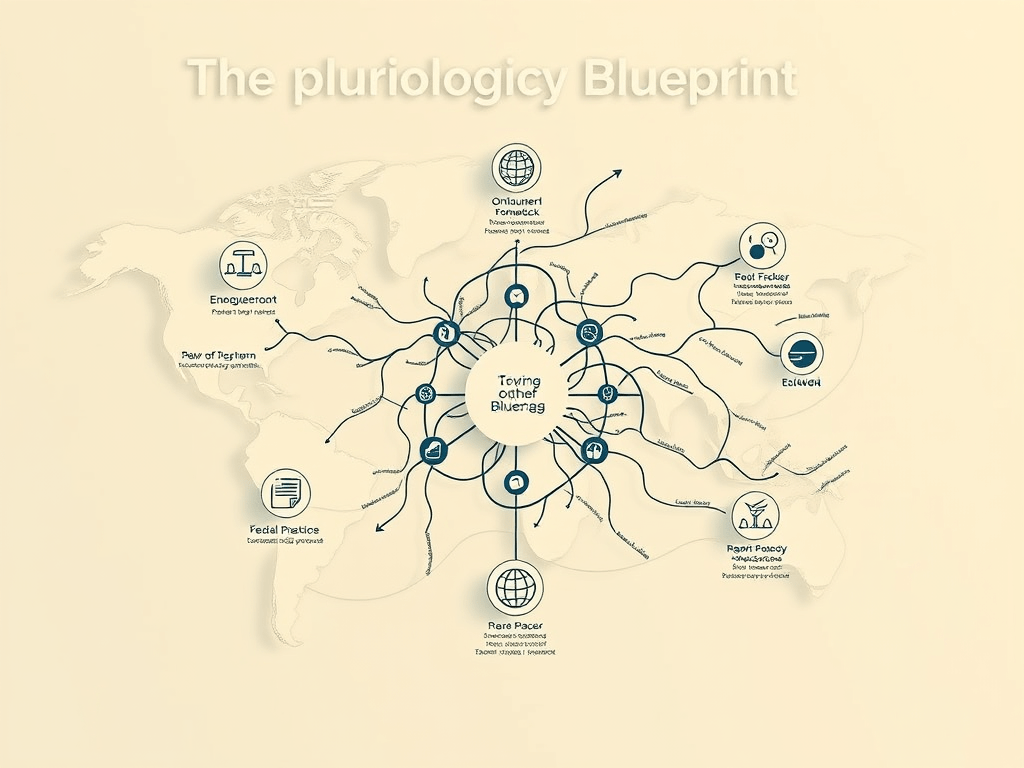
Symbols and sigils (from the previous chapter) form the discipline’s visual grammar:
- circles
- spirals
- waves
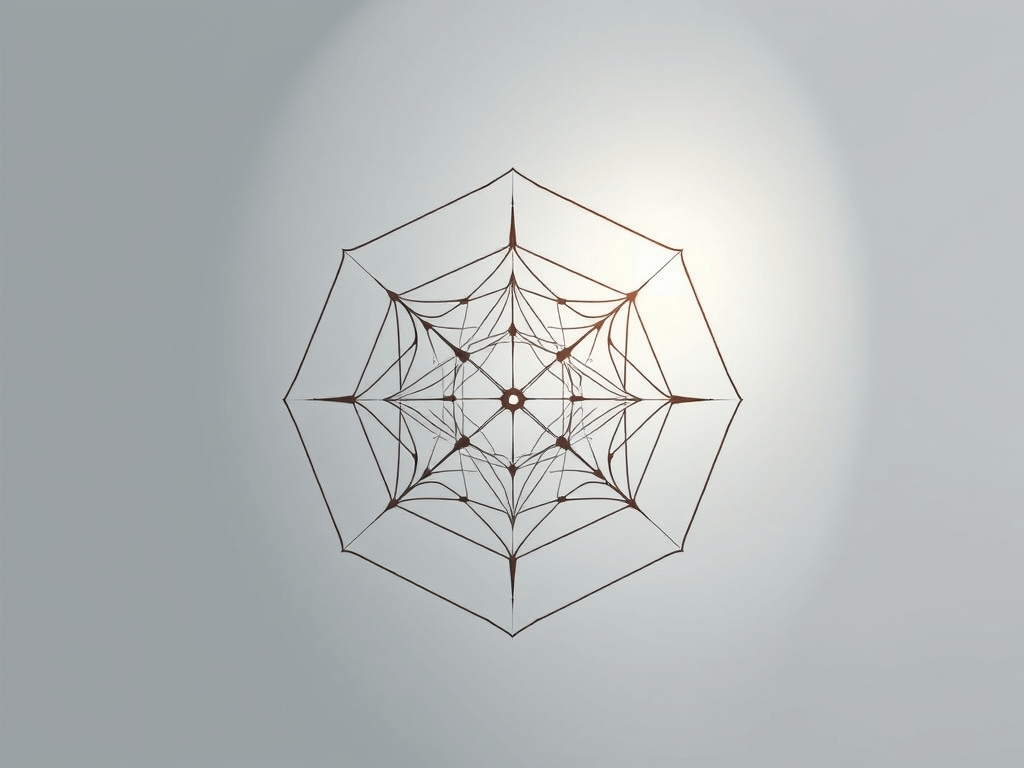
- interwoven lines
- open centers
These symbols appear in:
- maps
- rituals
- pedagogy
- institutional design
- community gatherings
They create a shared symbolic coherence.
VIII. The Emotional Aesthetic — How Coherence Feels
#EmotionalField #AffectiveEcology
The emotional tone of the Pluriological Aesthetic is:
- grounded
- spacious
- warm
- rhythmic
- non‑urgent
- non‑coercive
It feels like:
- a tide
- a forest
- a circle of people breathing together
- a quiet room with soft light
- a field after rain
The aesthetic is felt before it is understood.
IX. Why the Aesthetic Matters
#AestheticIntegrity #EmbodiedOntology
The Pluriological Aesthetic:
- embodies the ontology
- stabilizes the field
- supports pedagogy
- anchors rituals
- guides spatial design
- shapes community identity
- protects the discipline from distortion
- makes coherence sensible, not just conceptual
It is the sensory expression of the many‑in‑relation.

























 Survivor Literacy
What do you think?