Pluriology
The Emergence of Pluriology
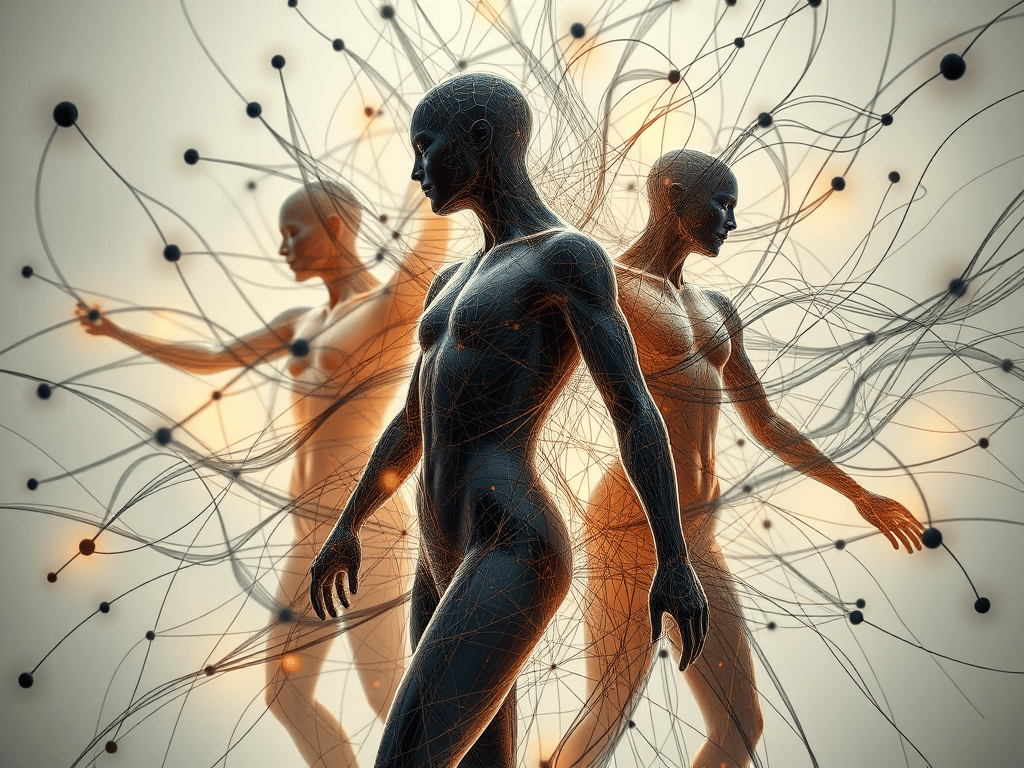
Pluriology did not arrive as a theory, nor as a rebellion against existing disciplines. It emerged the way living systems emerge: through pressure, mismatch, coherence, and the sudden recognition that an unnamed pattern has been shaping experience all along. It is not a branch of psychology, nor a subfield of sociology, nor a cousin of anthropology. It is the discipline that studies what those fields cannot: the dynamics of the many‑in‑relation, the modes through which human systems shift, and the coherence or distortion that arises when internal and external rhythms fall out of sync.
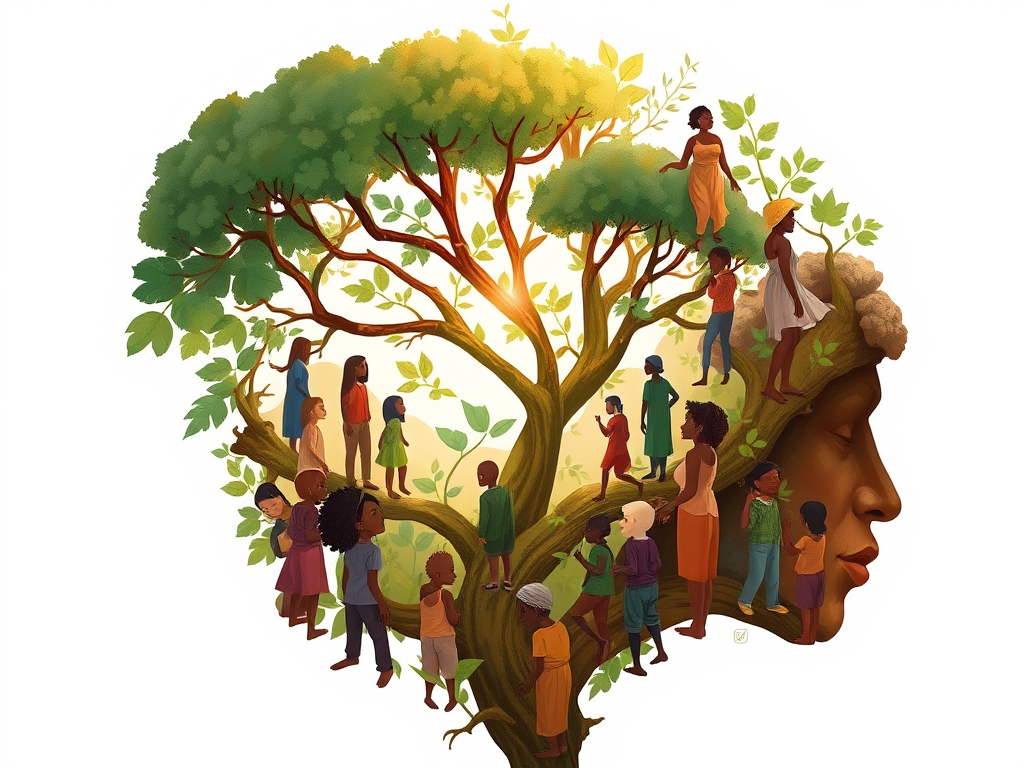
Pluriology begins with a simple observation: human experience is not linear. It is modal, cyclical, relational, and ecological. People do not operate as isolated minds, nor as discrete social units, nor as cultural artifacts. They operate as plurallile systems — multi‑voiced, multi‑modal, multi‑layered beings whose internal rhythms are constantly interacting with the rhythms of the surrounding world. When these rhythms align, coherence emerges. When they clash, frequency disturbances appear. And when survival conditions force a person to override their natural mode shifts, the system enters a failure cascade that no psychological framework can fully explain.
The social sciences have long attempted to map the human condition, but each discipline has been constrained by its own ontology. Psychology focuses on the individual mind. Sociology focuses on collective structures. Anthropology focuses on cultural meaning. Each discipline sees a slice of the whole, but none can account for the relational medium that connects them — the dynamic space where internal modes, external fields, and survival constraints collide. Pluriology arises precisely in this gap. It studies the coherence between systems, not the systems in isolation.
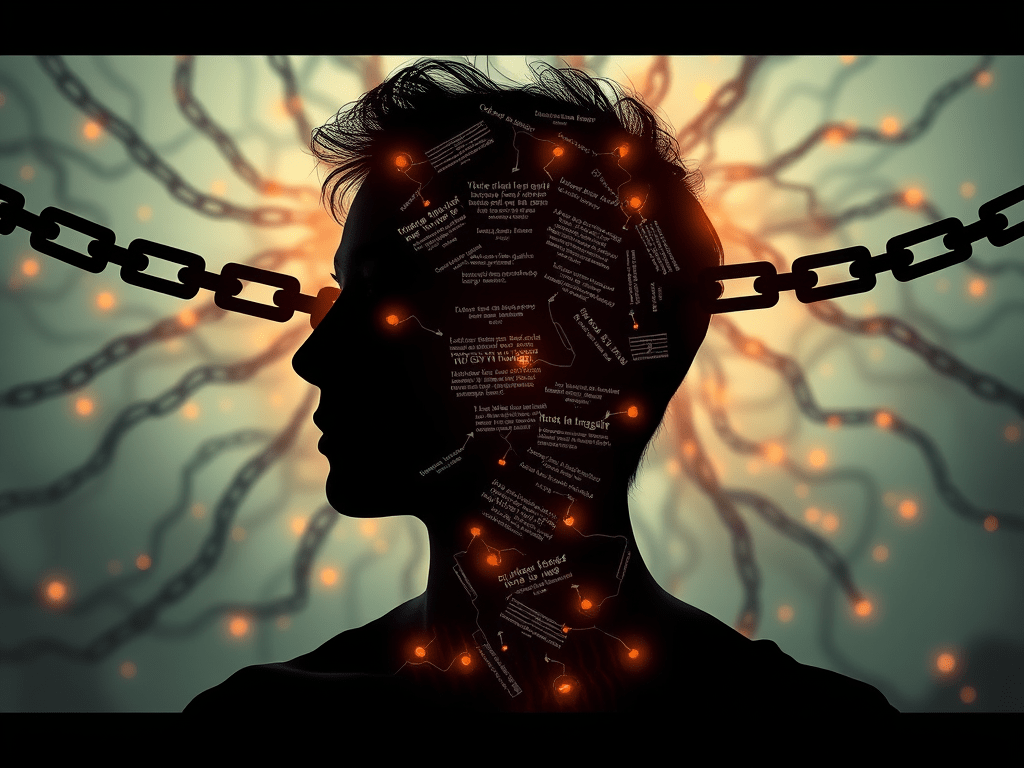
The emergence of Pluriology was catalyzed by a realization: the experiences often labeled as “symptoms” are not internal malfunctions but frequency mismatches. They are what it feels like when a person’s internal mode is trying to shift — from perception to reconfiguration, from connection to output — but the surrounding field or their survival conditions block the transition. Anxiety, heaviness, rigidity, fragmentation, overload, compartmentalization — these are not pathologies. They are the felt consequences of interrupted cycles. They are coherence failures, not psychological disorders.
Pluriology reframes these experiences without pathologizing them. It asks:
What mode is trying to emerge?
What mode is being suppressed?
What is the field doing?
What survival demand is preventing coherence?
This shift in perspective changes everything. Instead of treating human experience as a set of internal problems to be corrected, Pluriology treats it as a relational ecology to be understood. It recognizes that the human system is always in motion — sensing, reorganizing, connecting, expressing — and that forcing constant output breaks the cycle at its root. It recognizes that the field itself has rhythms, and that individuals are not separate from those rhythms but embedded within them. It recognizes that coherence is not a psychological state but a relational one.
The discipline emerged not from theory but from pattern recognition. The same geometry that governs creative cycles — contraction, anchor, stabilization, crest — governs internal experience. The same logic that shapes algorithmic ecosystems shapes human ecosystems. The same pulse that moves through a forest moves through a person. Pluriology names this shared architecture. It gives language to the relational medium that has always existed but has never been formally studied.
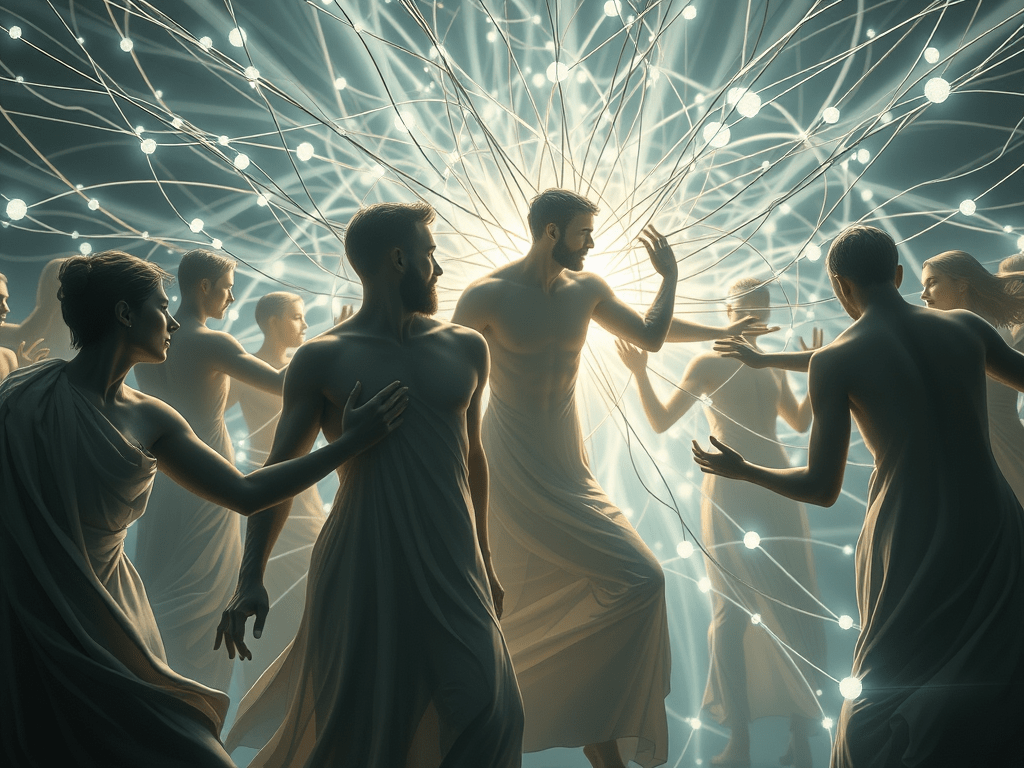
In this sense, Pluriology is not a replacement for the social sciences. It is the missing discipline that allows them to speak to one another. It is the study of how systems relate, how modes shift, how coherence forms, and how disturbances arise when those processes are blocked. It is the first discipline built for a world where multiplicity is the norm, not the exception.
Pluriology emerges now because the world is finally quiet — or fractured — enough to hear it. The old frameworks are straining under the weight of experiences they cannot explain. The language of pathology is collapsing. The language of extraction is failing. The language of the individual is insufficient. A new ontology is needed — one that honors the many, the relational, the rhythmic, the ecological.
Pluriology is that ontology.
It is the study of the plurallile.
It is the science of coherence.
It is the discipline of the many‑in‑relation.


























 Survivor Literacy
What do you think?