
Pluriology
Pluriological Ethics — Principles for a Discipline of Coherence
#PluriologicalEthics #RelationalIntegrity #CoherencePrinciples #ManyInRelation
Every discipline rests on an ethic — an orientation toward the world that shapes how it sees, how it names, how it intervenes, and how it refuses to intervene. Psychology inherited the ethic of pathology. Sociology inherited the ethic of structure. Anthropology inherited the ethic of observation. Pluriology, by contrast, emerges from an ethic of coherence — an ethic that honors rhythm, relationality, multiplicity, and the ecological intelligence of human systems.
Pluriological Ethics is not a moral code. It is a relational stance. It is the way a Pluriologist meets the plurallile self, the Pluriome, and the many‑in‑relation. It is the discipline’s backbone — the principles that ensure Pluriology remains non‑pathologizing, non‑extractive, and deeply attuned to the rhythms it studies.
This chapter outlines the core ethical commitments of Pluriology: the principles that guide how Pluriologists see, listen, name, and act within the relational ecosystem.
1. The Ethic of Non‑Pathology
#NothingIsWrong #BlockedNotBroken
Pluriology begins with a foundational stance:
Human systems are not broken.
They are rhythmic.
They are relational.
They are adaptive.
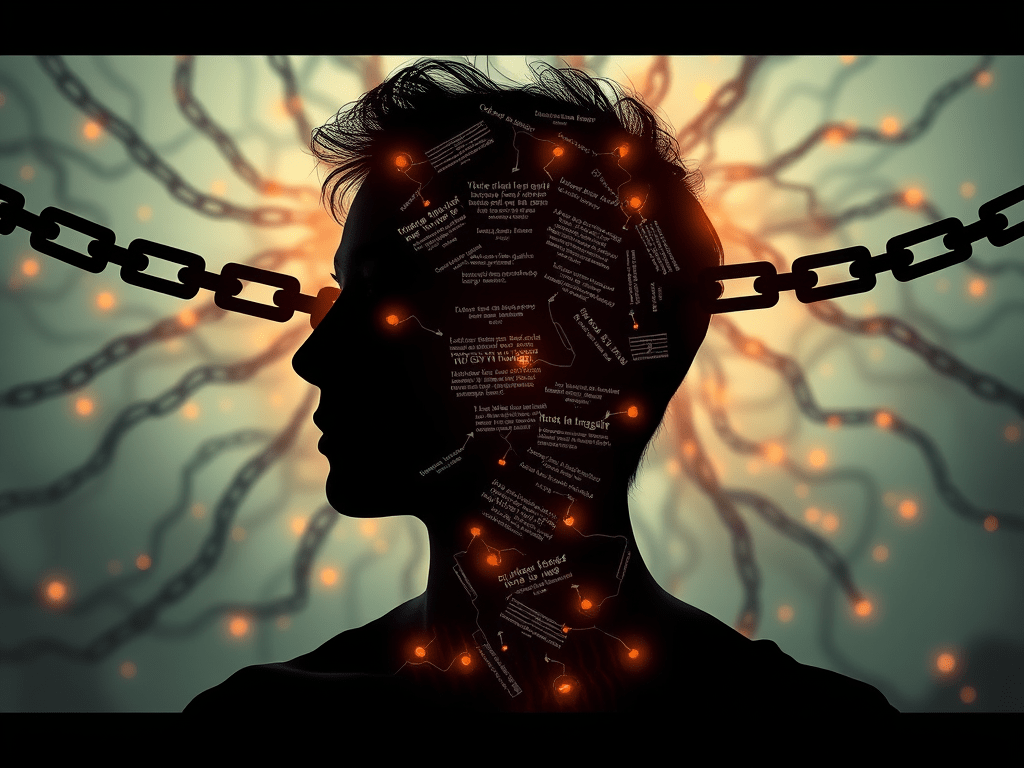
Disturbances are not flaws.
They are blocked transitions.
This ethic rejects:
- moralizing
- blame
- deficit framing
- internal malfunction narratives
- diagnostic reduction
A Pluriologist never asks, “What’s wrong with you?”
They ask, “What rhythm is trying to move?”
This ethic restores dignity to the plurallile self.
2. The Ethic of Relationality
#RelationalFirst #PluriomeAware
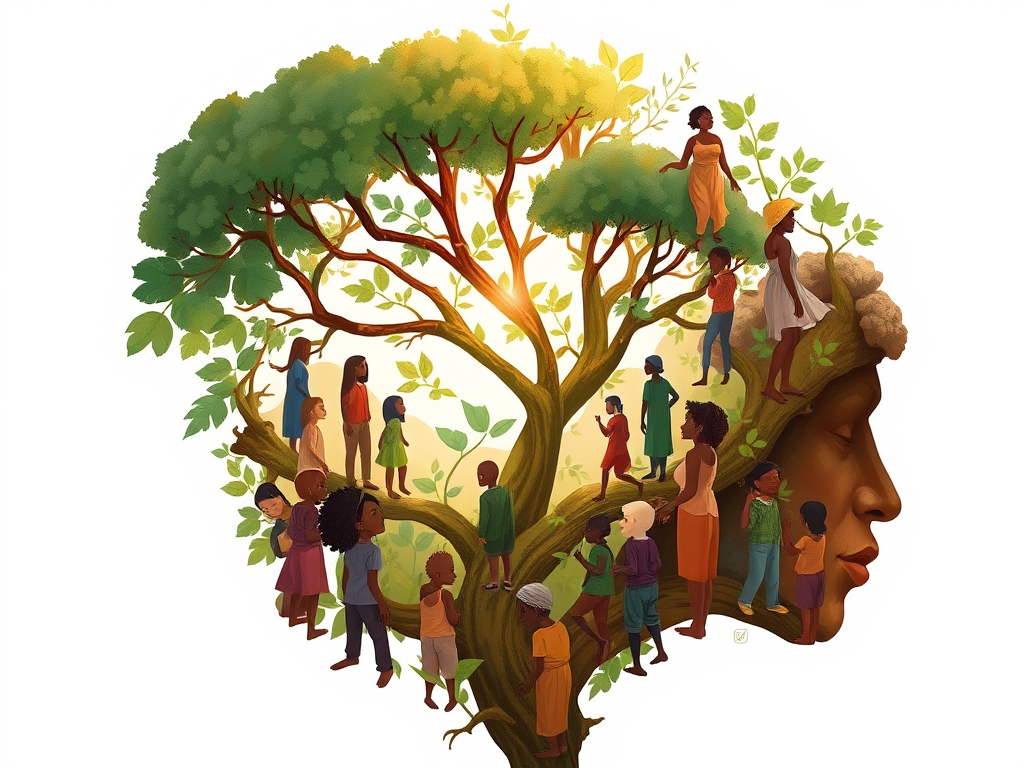
Pluriology recognizes that no human experience is purely internal. Every mode, every disturbance, every repair cascade is shaped by the Pluriome — the relational ecosystem surrounding the person.
The ethic of relationality insists:
- context matters
- field pressures matter
- relational currents matter
- ecological rhythms matter
A Pluriologist never isolates a person from their field.
They see the between as the primary site of meaning.
3. The Ethic of Multiplicity
#PlurallileSelf #ManyVoices
The plurallile self is not singular. It is multi‑voiced, multi‑layered, multi‑modal. Pluriology honors this multiplicity without collapsing it into fragmentation or disorder.
The ethic of multiplicity affirms:
- internal diversity is intelligence
- mode shifts are natural
- identity is dynamic
- coherence is plural
A Pluriologist does not seek to unify the self into a single voice.
They honor the many‑in‑relation.
4. The Ethic of Rhythm
#RhythmicIntelligence #TimingMatters
Pluriology treats rhythm as a form of intelligence. Timing is not a preference — it is a survival mechanism. The ethic of rhythm insists:
- cycles must complete
- modes must shift
- pacing must be honored
- timing must be respected
A Pluriologist never forces a system into Output when it is in Perception.
They honor the temporal ecology of the system.
5. The Ethic of Non‑Interference
#AttuneDontControl #FieldListening
Pluriologists do not fix, correct, or override. They attune. They listen. They witness. They map. They understand. They do not impose coherence; they create the conditions for coherence to emerge.
The ethic of non‑interference means:
- no forcing
- no coercion
- no premature interpretation
- no extraction of meaning
- no imposing of rhythm
A Pluriologist trusts the system’s intelligence.
They do not rush the cycle.
6. The Ethic of Field Responsibility
#FieldStewardship #RelationalImpact
Every action shifts the Pluriome. Every word, gesture, or demand alters the relational field. Pluriologists take responsibility for their impact on the field.
This ethic includes:
- awareness of power
- awareness of timing
- awareness of relational influence
- awareness of ecological consequences
A Pluriologist acts as a steward of coherence, not a controller of outcomes.
7. The Ethic of Transparency
#ClearNaming #RelationalHonesty
Pluriology values clarity. Naming a mode, a block, or a disturbance is not labeling — it is orientation. Transparency helps systems understand themselves without shame.
This ethic includes:
- naming without judgment
- mapping without moralizing
- describing without diagnosing
A Pluriologist speaks plainly, gently, and rhythmically.
8. The Ethic of Ecological Compassion
#CompassionAsCoherence #HumanEcology
Compassion in Pluriology is not pity. It is ecological understanding — the recognition that every disturbance is an adaptive response to impossible conditions.
This ethic affirms:
- people do the best they can under their field conditions
- survival strategies are intelligent
- blocked modes are protective
- coherence is always trying to emerge
A Pluriologist meets every system with compassion rooted in ecology, not sentiment.
9. The Ethic of Coherence Over Compliance
#CoherenceFirst #AntiExtraction
Pluriology rejects extraction — emotional, relational, creative, or economic. It prioritizes coherence over performance.
This ethic insists:
- no one should be forced into Output
- no one should be punished for Reconfiguration
- no one should be shamed for Perception
- no one should be rushed through Connection
A Pluriologist values alignment, not obedience.
10. The Ethic of Stewardship
#StewardTheField #ProtectTheRhythm
Pluriologists are guardians of rhythm. They protect the cycles that allow systems to thrive. They create environments where coherence can emerge naturally.
Stewardship includes:
- protecting rest
- protecting timing
- protecting relational safety
- protecting the plurallile self’s right to shift modes
This ethic ensures Pluriology remains a discipline of care, not control.
Why Pluriological Ethics Matter
#EthicOfCoherence #NewDiscipline
Pluriology is not just a new field. It is a new way of relating to human experience. Its ethics ensure that:
- coherence is honored
- multiplicity is respected
- rhythm is protected
- relationality is centered
- the Pluriome is understood
- disturbances are dignified
- healing is ecological
These ethics are the foundation of a discipline that seeks not to fix people, but to understand them in their full relational complexity.





























 Survivor Literacy
What do you think?