Episkevology
The Foundations That Hold Sustainable Growth
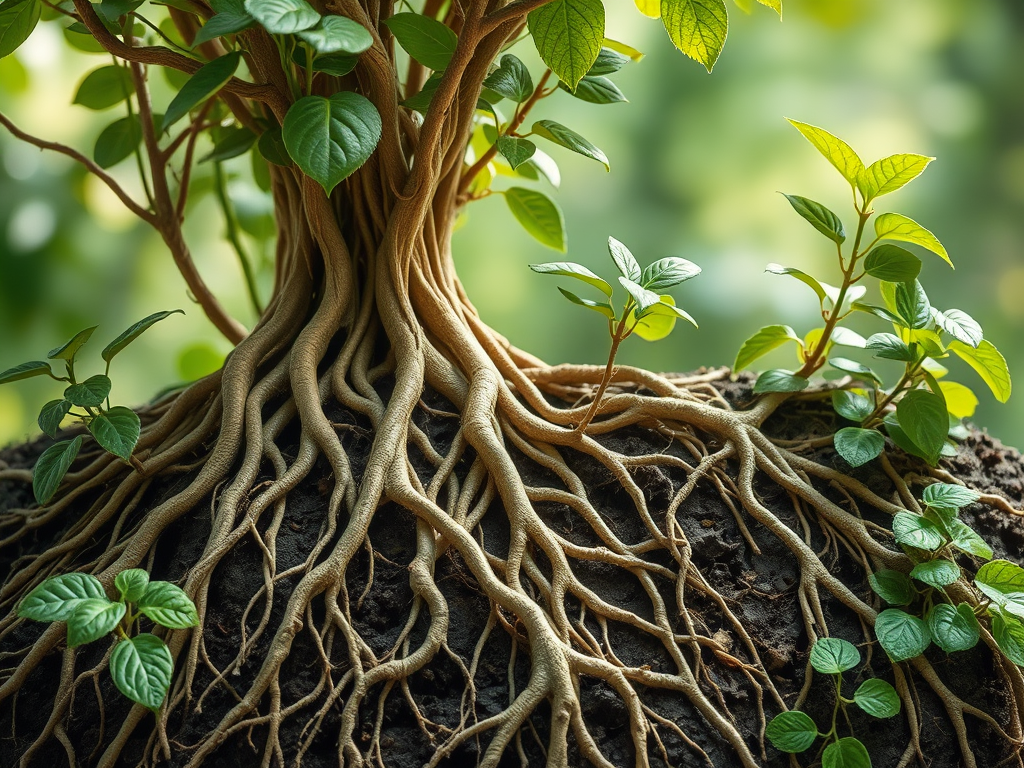
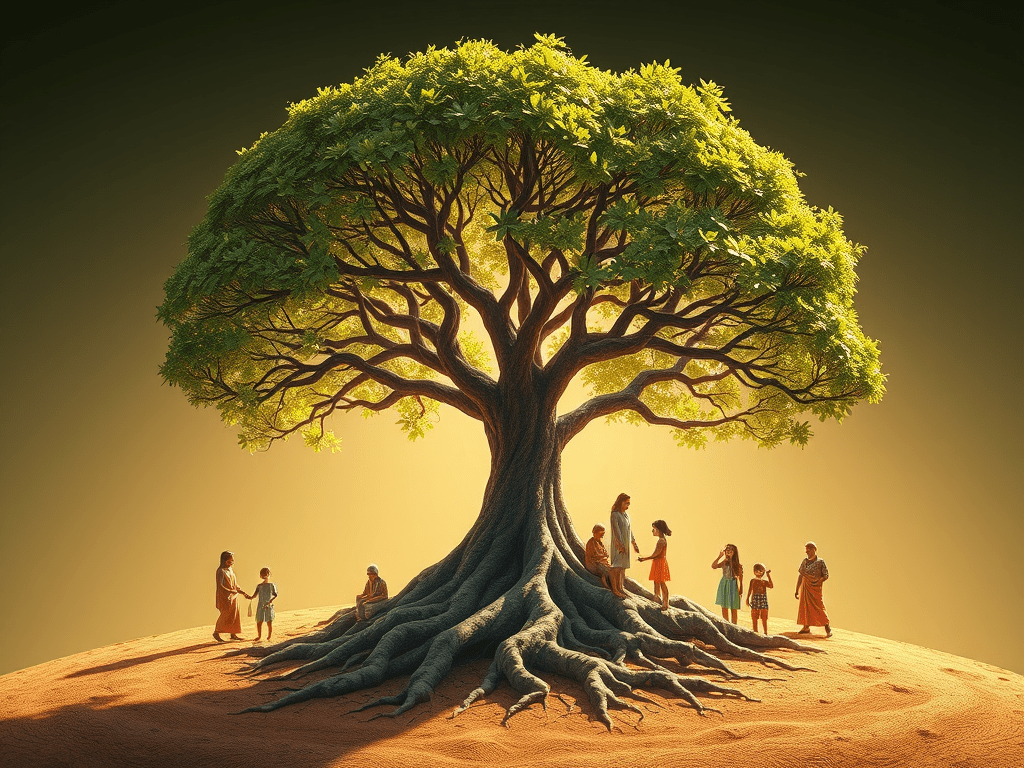
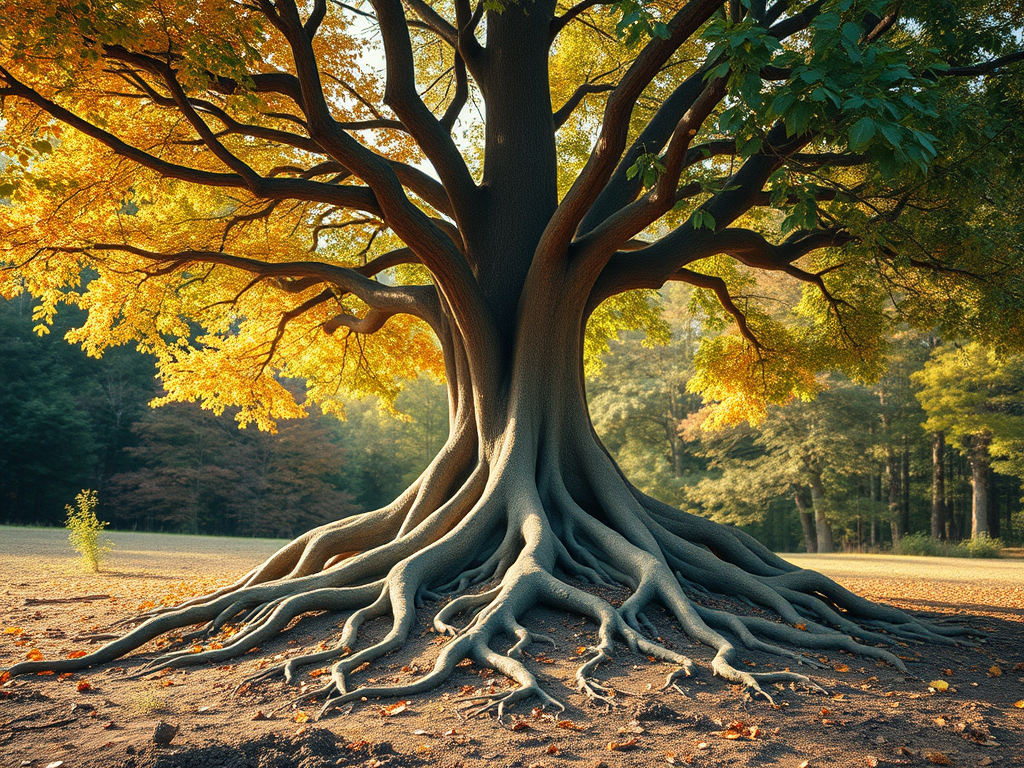
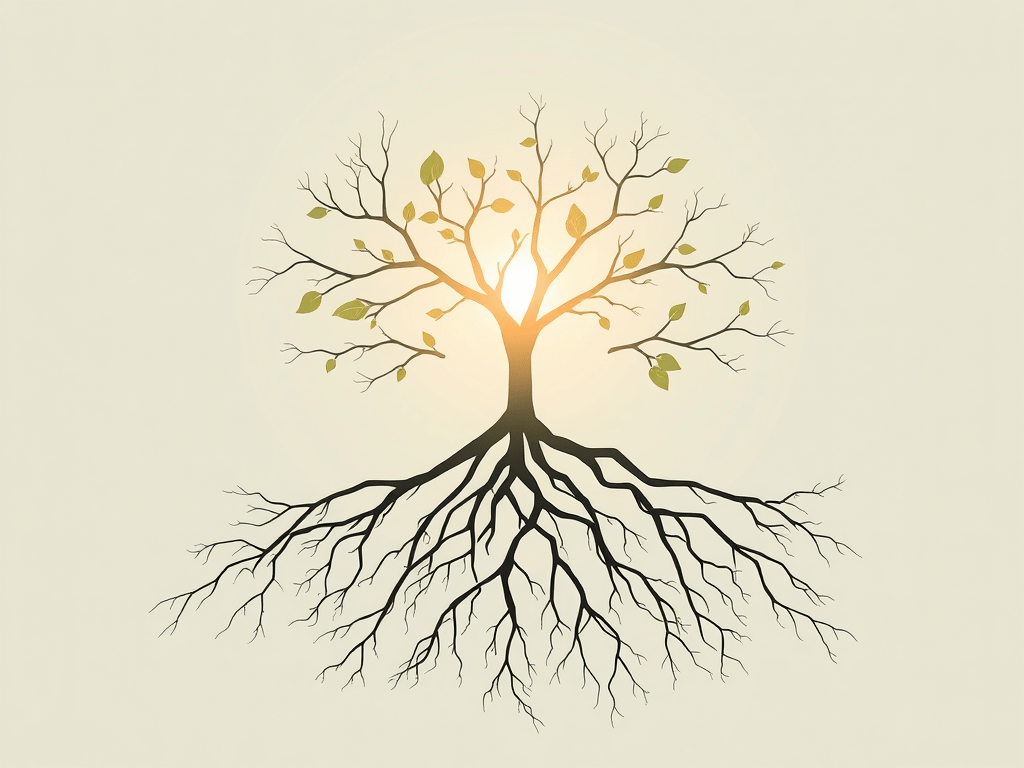
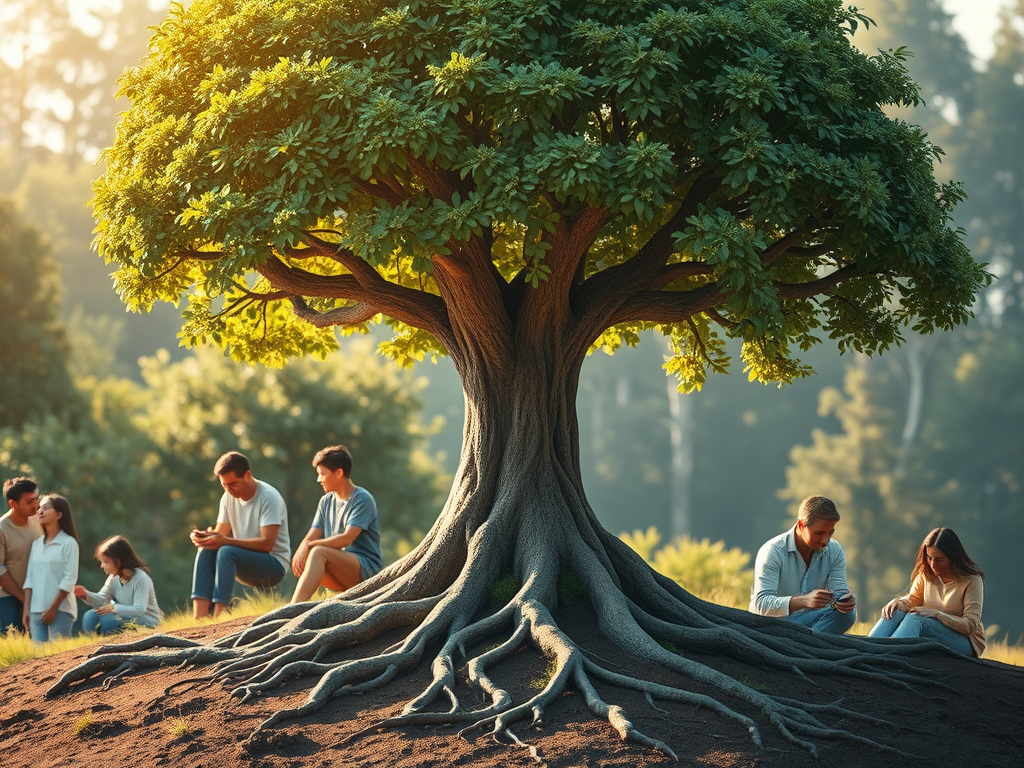
Sustainable growth depends on structures that can hold steady through change. A system that remembers its center, honors its limits, and restores its balance does not fracture under pressure; it deepens. Communities flourish when trust is present, when rhythms are respected, and when the ground beneath them remains stable enough for life to take root. These foundations are made of relationship, memory, discipline, and the quiet forms of care that keep a system coherent when demands rise.
A system that endures is one that can return to itself. It learns from disruption instead of breaking beneath it. It restores rather than depletes. Growth that lasts is not driven by urgency but by alignment—by the stability that allows everything built upon it to rise without fear.
When foundations are strong, growth becomes a natural unfolding. Stability is not the opposite of movement; it is what gives movement direction.
Czech:
Udržitelný růst stojí na pevných základech, které dokážou udržet rovnováhu i v době změn.
Slovak:
Udržateľný rast je možný len vtedy, keď systém stojí na pevných základoch a vie sa vrátiť do rovnováhy.
Romanian:
Creșterea durabilă se sprijină pe fundații solide, capabile să mențină echilibrul în fața schimbării.
Welsh:
Tyfiant cynaliadwy yn sefyll ar sail gadarn sy’n gallu dychwelyd at gydbwysedd pan fo pwysau’n codi.
Armenian:
Տևական աճը հնարավոր է միայն ամուր հիմքերի վրա, որոնք պահպանում են հավասարակշռությունը փոփոխության պահին։
Lithuanian:
Tvarus augimas remiasi tvirtomis struktūromis, gebančiomis išlaikyti pusiausvyrą pokyčių metu.
Latvian:
Ilgtspējīga izaugsme balstās uz stipriem pamatiem, kas spēj saglabāt līdzsvaru pārmaiņu brīžos.
Aramaic:
ܪܒܘܬܐ ܕܡܬܩܝܡܐ ܥܠ ܫܬܐܣ̈ܐ ܚܝ̈ܠܬܢܐ ܗܝ ܕܡܚܕܪܐ ܠܗ ܠܫܘܠܡܗ ܒܙܒܢܐ ܕܫܘܚܠܦܐ.
Hausa:
Dorewar ci gaba tana buƙatar tubalin da ke da ƙarfi, waɗanda ke dawo da daidaito duk lokacin da yanayi ya canza.
Lingala:
Bokoli ya seko etelema kaka na makonzi makasi oyo ekoki kozongisa bomoko na ntango ya mbongwana.
Igbo:
Ịmụba nke na-adịgide adịgide na-adabere n’isi ike nke na-eme ka usoro laghachi n’izu oke mgbe ihe gbanwere.
Ju/’hoansi:
Kx’ao n!ore n!ang n!ore kx’ao ka a, n!ang n!ore si kx’ui n!ang si ts’ãa.




















 Survivor Literacy
What do you think?