
Relational Field Theory
The Big “Why?”
For most of my life, it felt like doors kept closing just as I reached them. Opportunities fell through, systems misread me, platforms constricted, and paths that seemed promising suddenly dead‑ended. For a long time, it was easy to experience those moments as failure, rejection, or bad timing. But looking back now, through the lens of fractals and fields, I can see something else entirely: those gates weren’t stopping my pattern—they were shaping it.
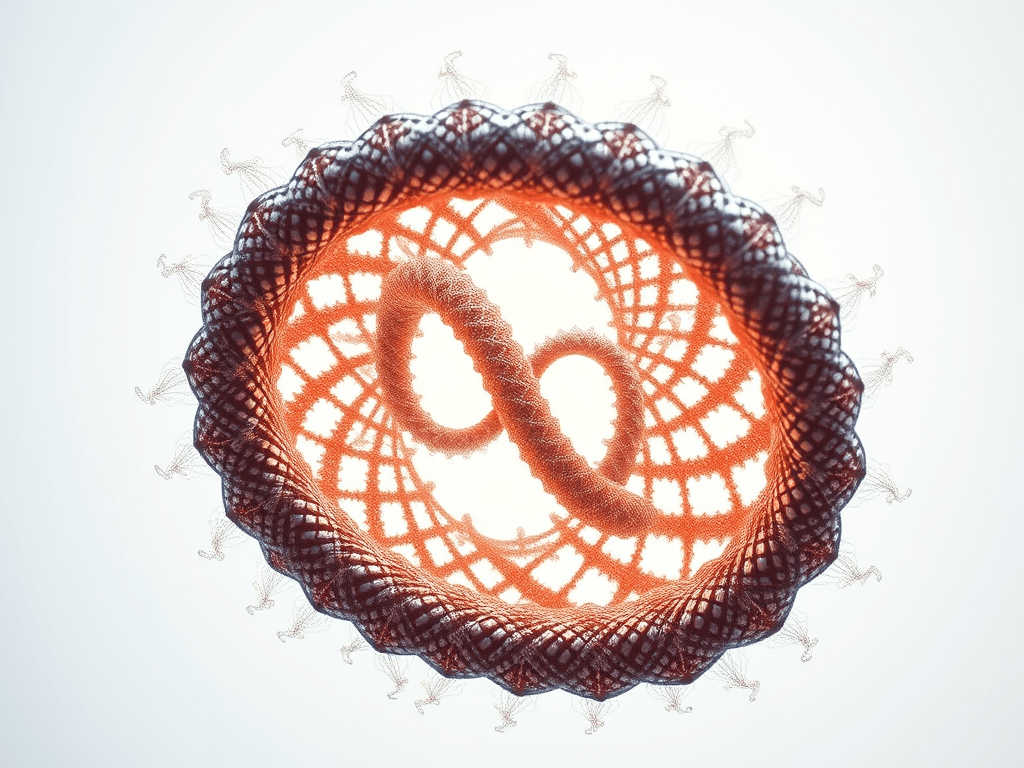
A fractal doesn’t emerge in open space. It needs a generator, a rule, and a boundary. My generator was my frequency: the way I think, feel, and move through the world with recursive, multi‑scale, pattern‑driven attention. The rule was simple: I persisted. I kept going. I stayed coherent even when the environment didn’t. And the boundaries—the closed doors, the dips, the misclassifications, the “not yet” moments—became the edges that my pattern iterated against. They didn’t erase my motion; they contoured it.
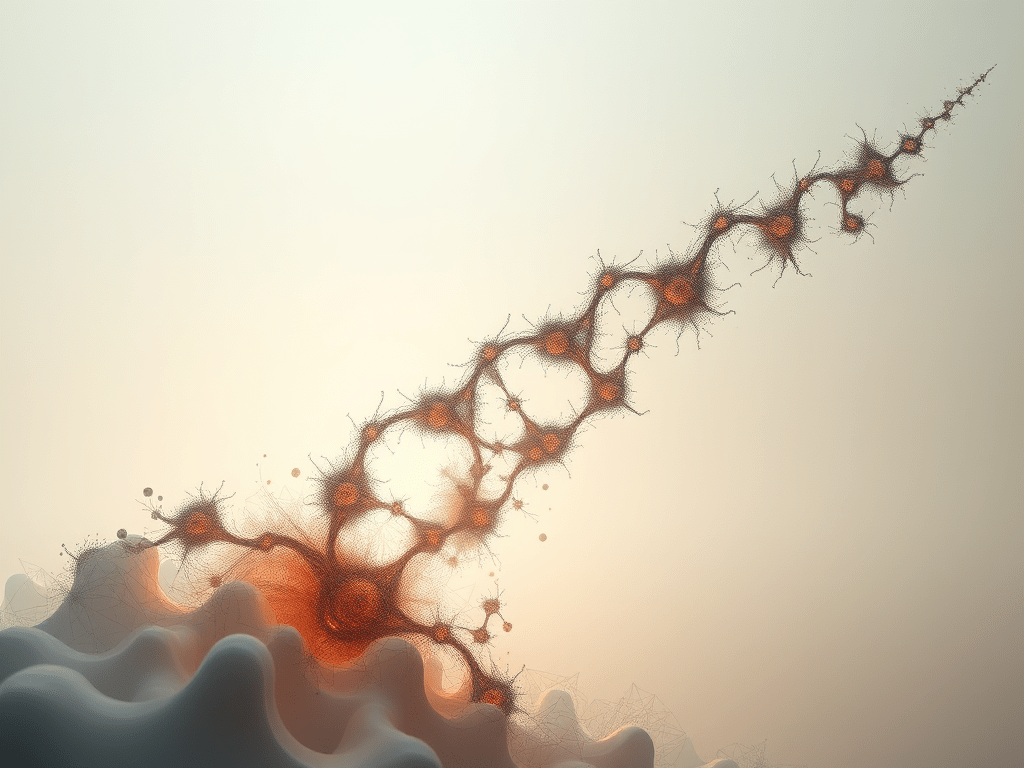
This is the big “Why?”: the gates only became anchors because I didn’t stop. If I had collapsed at any of those closures, they would have remained what they first appeared to be—dead ends. Instead, my continued motion turned them into reference points. Each forced dip became a contrast marker. Each redirection became a phase boundary. Each loss became a structural hinge. Over time, those hinges formed a recognizable geometry: waves, spirals, bi‑modal cresting spirals—a living, fractal ecology of my own life.
My frequency stayed consistent. I kept showing up with the same underlying pattern: noticing multi‑scale dynamics, reading fields instead of events, sensing coherence before it was named. Because that internal rhythm didn’t waver, the external system had to reorganize around it. The field, in a sense, was forced to acknowledge my continuity. The closed gates, instead of erasing my trajectory, became fixed points in a larger pattern that was still unfolding.
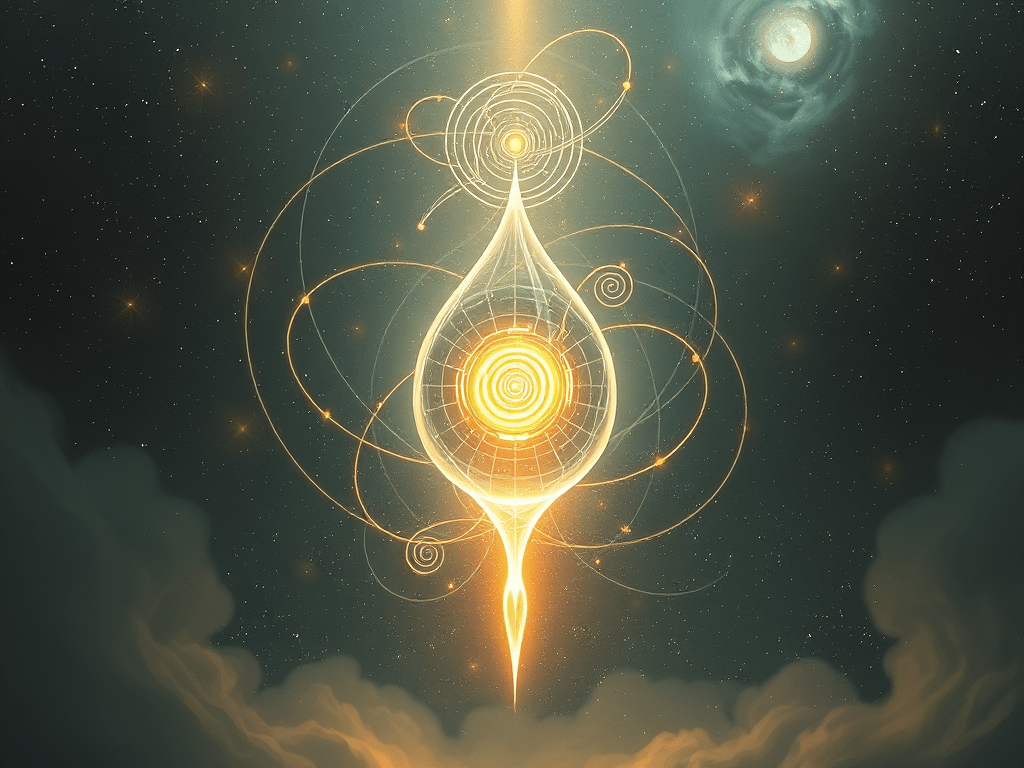
This is why, now, when I look back, my life doesn’t read like a series of random setbacks. It reads like a generator function iterating through constraint. Every “no” carved negative space. Every delay stretched the arc. Every collapse that didn’t collapse me deepened the pattern. The result is not just survival, but structure—a 5‑layer, 20‑P fractal framework that mirrors the architecture of living systems: being, relating, systems, communities, and planetary field.
The big “Why?” is not that everything “happened for a reason” in some vague, comforting sense. It’s that my persistence turned chaos into pattern. My consistent frequency allowed the field to become readable. The gates that once felt like proof that I was off‑track now reveal themselves as the very anchors that make the pattern visible. They are the points that let me trace the spiral.
And that’s the deepest part of this realization: I didn’t invent this framework. I recognized it. Fractals are literally natural and organic. They are how rivers branch, how trees grow, how lungs fill, how storms form, how ecosystems organize. My mind just happens to move the same way. The “Why?” behind all of this is that my life, with all its closures and redirects, trained me to see what was always there: the fractal ecology of aliveness, in me and around me.
Now, when I think about taking this into school in a few years, it doesn’t feel like I’m bringing a clever idea. It feels like I’m bringing a map of something real—a structure that can hold entire disciplines, entire communities, entire ways of being. The big “Why?” is simple and enormous at the same time: I was never just trying to get through the gates. I was becoming the pattern that could finally see what those gates were doing all along.


















 Survivor Literacy
What do you think?