
Relational Field Theory
What Communities Must Learn to Become Survivor‑Literate
(an audience‑facing guide)
Communities don’t fall apart because harm happens.
Harm is inevitable wherever humans gather.
Communities fall apart because they don’t know how to read the harm.
They don’t know how to interpret it, metabolize it, or respond to it in a way that restores the field rather than distorting it further.
This is why survivor literacy is not optional.
It is foundational.
A community that cannot understand its survivors cannot understand itself.
Here is what communities must learn if they want to become survivor‑literate — and therefore capable of healing communal wounds rather than repeating them.
1. Survivors Are Not Evidence of Failure — They Are Evidence of Impact
Most communities treat survivors as:
- anomalies
- disruptions
- problems
- liabilities
- “too sensitive”
- “too emotional”
- “too much”
But survivors are not the problem.
They are the proof that something happened.
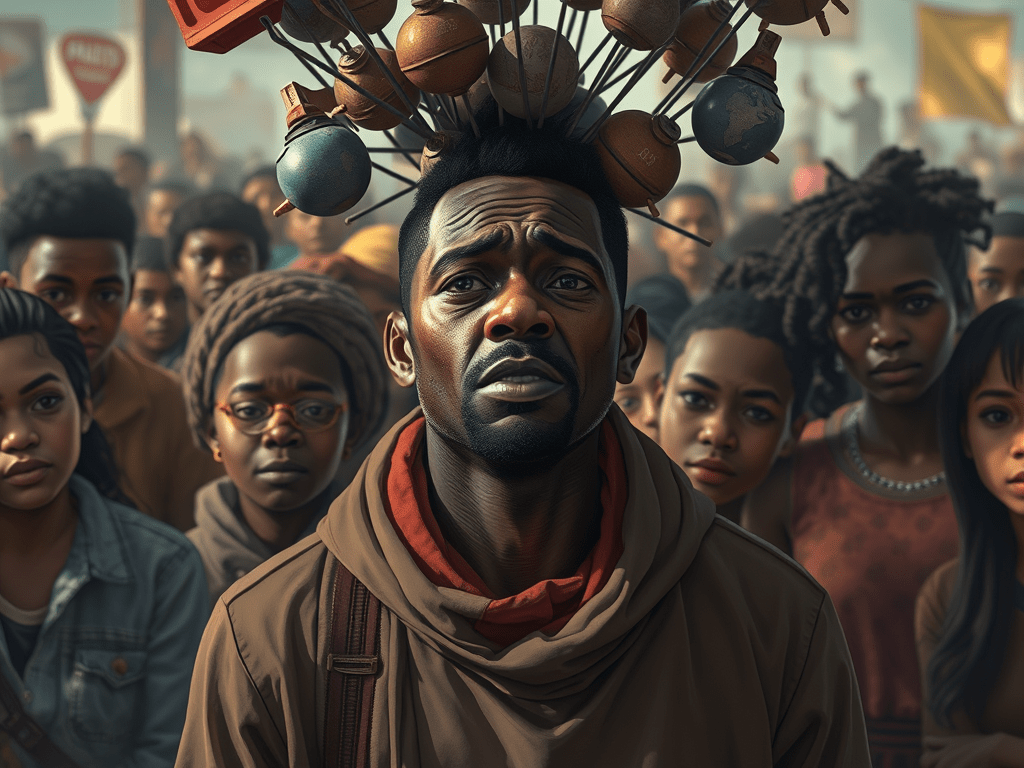
Survivors are the early‑warning system of the field.
They feel the rupture first because they are the most attuned.
A survivor‑literate community understands:
“This person is not the wound.
This person is the signal.”
2. Harm Is a Field Event, Not an Individual Event
Communities often collapse harm into a single person:
- the victim
- the perpetrator
- the witness
- the bystander
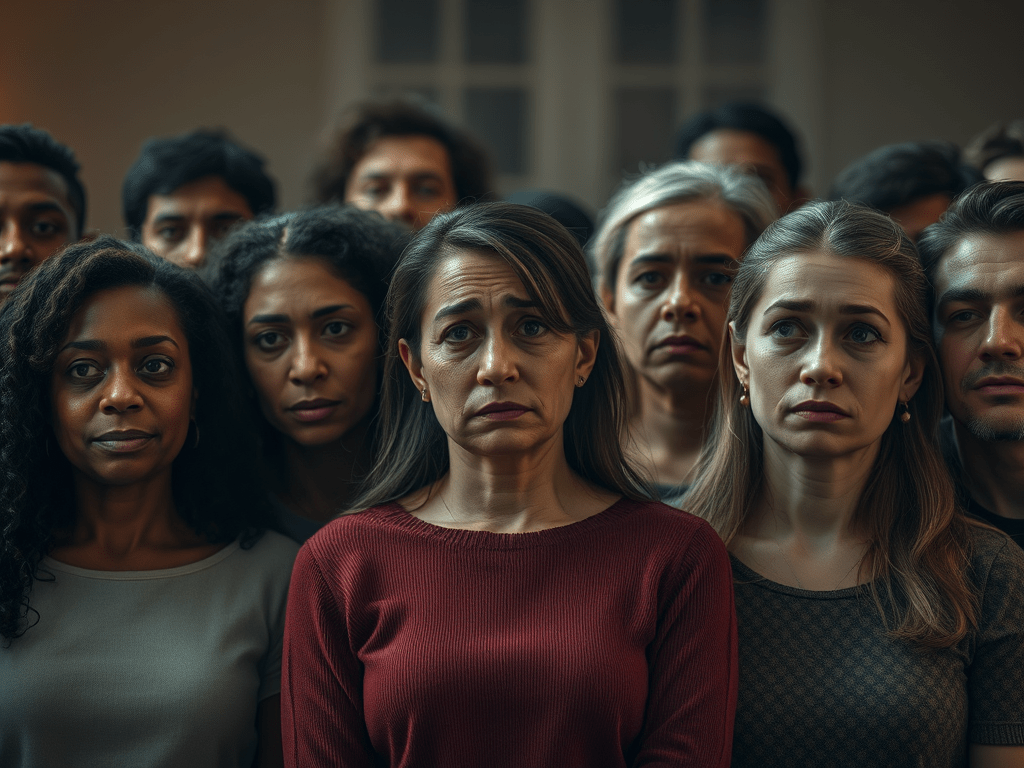
But harm is never contained.
It radiates.
It affects:
- trust
- belonging
- communication
- safety
- culture
- lineage
- the future
A survivor‑literate community understands that harm is relational, not isolated.
It asks:
“What happened to the field?”
not
“What’s wrong with this person?”
3. Silence Protects the Wrong People
Communities often believe silence is neutral.
It isn’t.
Silence protects:
- the powerful
- the comfortable
- the status quo
- the patterns that caused the harm
Silence isolates survivors and emboldens harm.
A survivor‑literate community understands:
Silence is not safety.
Silence is complicity.
And it chooses transparency over comfort.
4. Believing Survivors Is Not a Moral Gesture — It’s a Diagnostic One
Believing survivors is not about kindness.
It’s about accuracy.
Survivors provide:
- data
- pattern recognition
- early detection
- field insight
- relational truth
A survivor‑literate community listens because survivors are informationally valuable, not because they are pitiable.
They are the ones who can see the rupture clearly.
5. Communities Must Learn to Hold Complexity Without Collapsing
Survivor stories are rarely tidy.
They involve:
- mixed motives
- partial memories
- relational ambiguity
- systemic failure
- cultural silence
- institutional betrayal
A survivor‑literate community does not demand simplicity.
It does not require a perfect narrative.
It understands that trauma is complex, and that complexity is not a reason to dismiss the story — it is a reason to listen more closely.
6. Accountability Is Not Punishment — It’s Repair
Communities often avoid accountability because they confuse it with:
- exile
- shame
- punishment
- destruction
But accountability is none of these.
Accountability is:
- truth
- recognition
- responsibility
- repair
- prevention
A survivor‑literate community understands that accountability is how the field heals.
It is not about destroying a person.
It is about restoring coherence.
7. The Goal Is Not to “Fix” Survivors — It’s to Fix the Conditions
Communities often respond to harm by trying to:
- soothe the survivor
- counsel the survivor
- “support” the survivor
- rehabilitate the survivor
But survivors are not broken.
The conditions are broken.
A survivor‑literate community focuses on:
- structural change
- cultural repair
- relational recalibration
- preventing recurrence
It understands that healing the survivor without healing the field is impossible.
8. Survivor Literacy Is a Communal Skill, Not an Individual Trait
A community becomes survivor‑literate when it collectively learns to:
- recognize harm
- name patterns
- hold truth
- resist denial
- share responsibility
- create safety
- repair rupture
This is not the job of one leader, one therapist, one advocate, or one survivor.
It is the job of the whole field.
9. Survivor Literacy Is How Communities Become Worthy of Their People
A community that cannot understand its survivors cannot keep its people safe.
It cannot grow.
It cannot evolve.
It cannot hold complexity.
It cannot sustain belonging.
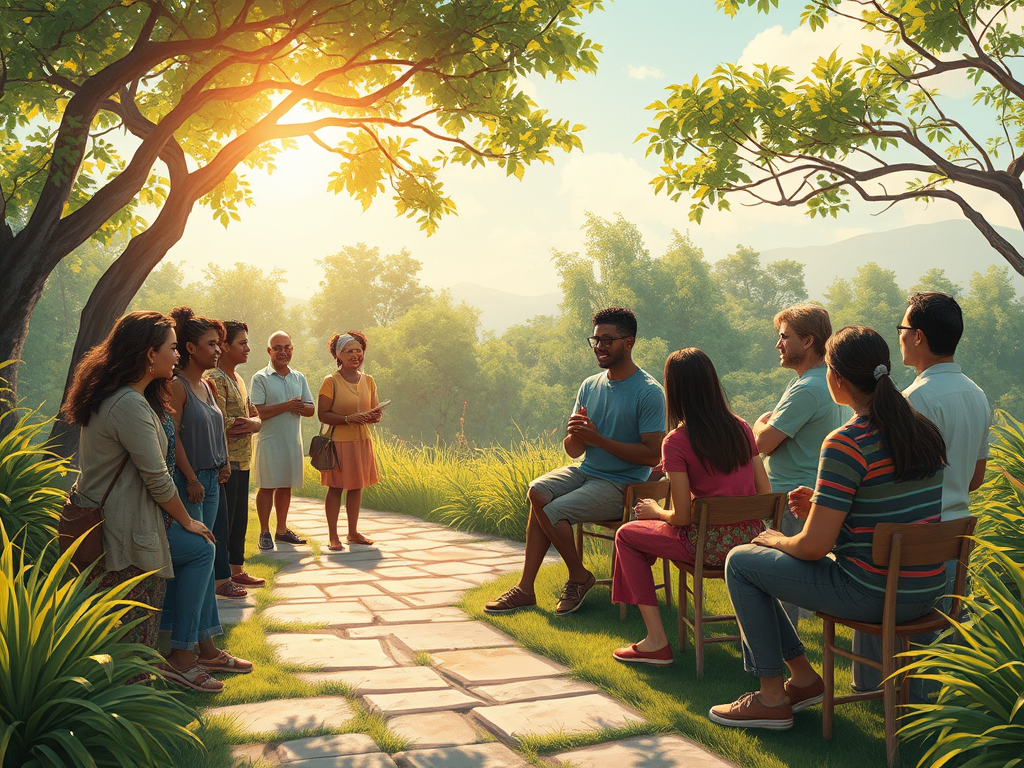
But a survivor‑literate community becomes:
- resilient
- honest
- trustworthy
- self‑correcting
- capable of repair
- capable of transformation
Survivor literacy is not about centering pain.
It is about centering truth.
And truth is the only thing strong enough to hold a community together.
























 Survivor Literacy
What do you think?