Relational Field Theory
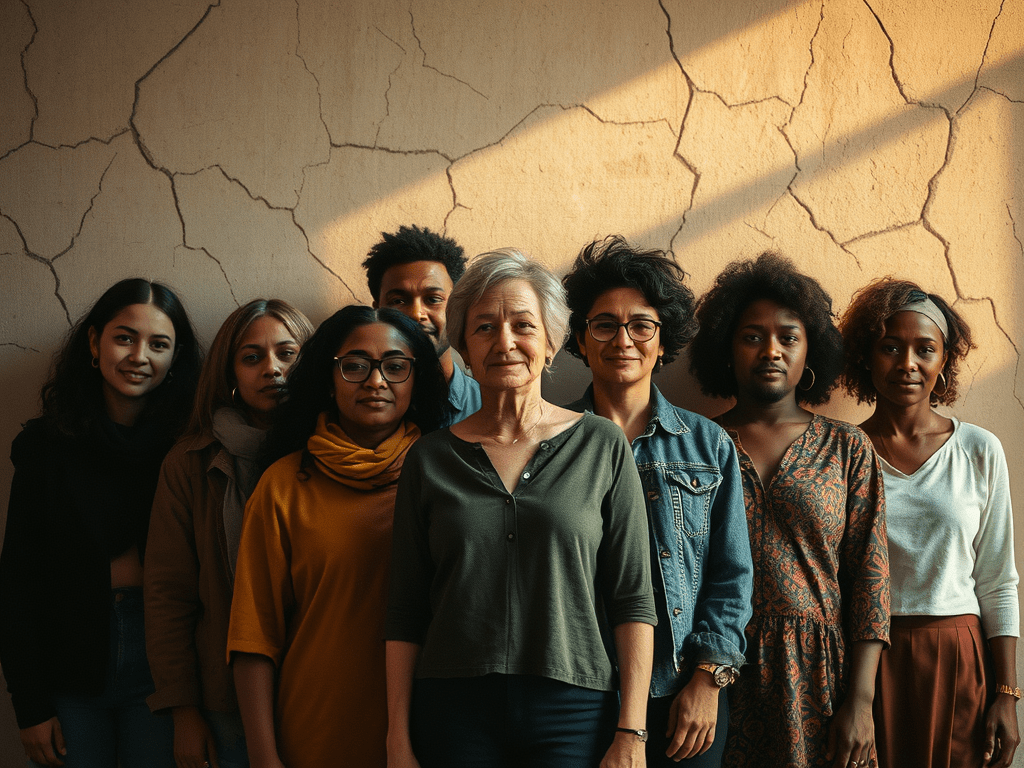
The Survivor‑Literate Community: A Vision for What Comes After Repair
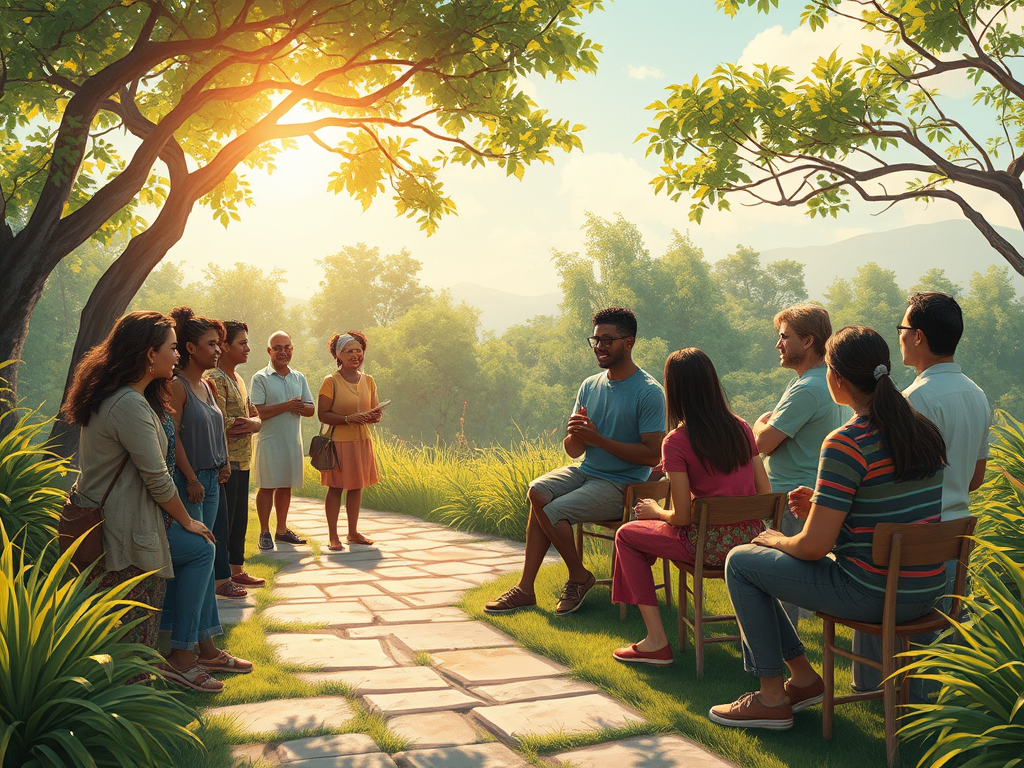
Most communities imagine “healing” as the end of the story — the moment when the wound is closed, the conflict is resolved, and everyone returns to normal.
But survivor‑literate communities know something deeper:
Healing is not the end.
Healing is the beginning of a new kind of community.
Repair is the threshold.
What comes after repair is transformation.
A survivor‑literate community doesn’t simply stop harming.
It becomes a place where people can grow, create, belong, and speak with a depth that was impossible before the rupture.
This is the vision of what comes next.
1. A Survivor‑Literate Community Is Built on Truth, Not Comfort
Most communities are built on comfort:
- “Let’s not talk about that.”
- “Let’s keep things positive.”
- “Let’s not make anyone uncomfortable.”
But comfort is fragile.
It shatters the moment harm occurs.
A survivor‑literate community is built on truth instead:
- “We name what happened.”
- “We don’t hide harm.”
- “We don’t protect silence.”
- “We don’t confuse politeness with safety.”
Truth becomes the ground everyone stands on.
And that ground is solid.
2. Survivors Become Cultural Guides, Not Cautionary Tales
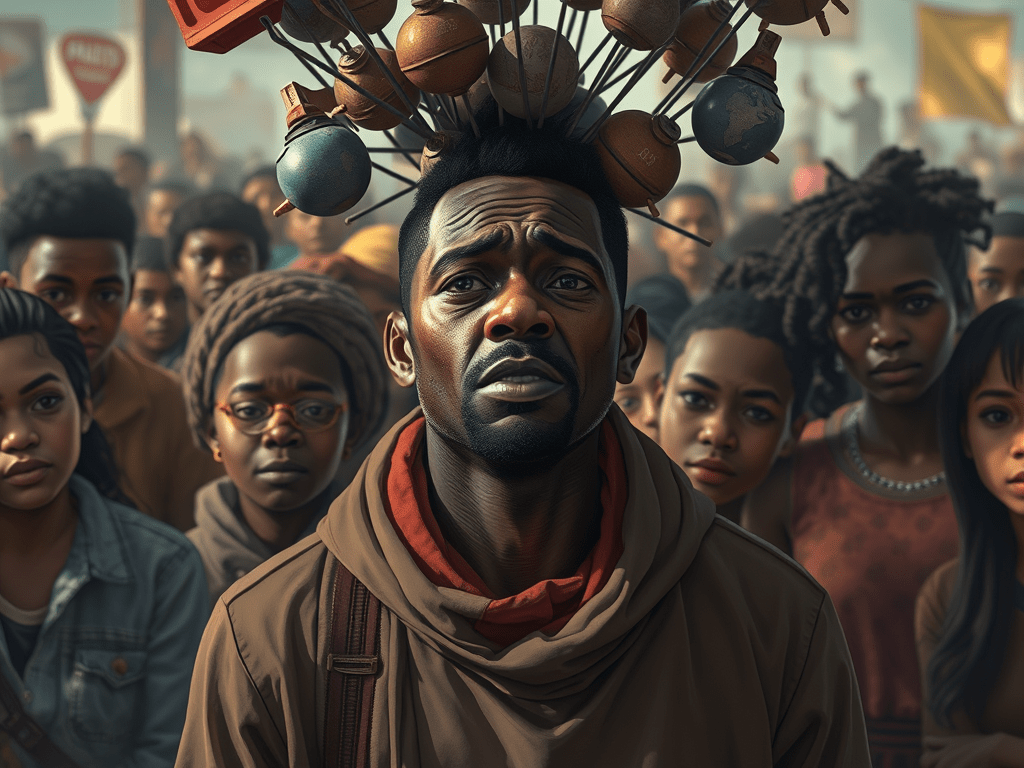
In survivor‑illiterate communities, survivors are treated as:
- warnings
- burdens
- reminders of failure
- people to manage
But in survivor‑literate communities, survivors become:
- interpreters of the field
- keepers of relational wisdom
- pattern recognizers
- architects of prevention
- cultural translators
Their experience becomes a resource, not a liability.
They are not the ones who “couldn’t handle it.”
They are the ones who understood it first.
3. Accountability Becomes a Shared Practice, Not a Punishment
In most communities, accountability is feared.
It feels like exile, shame, or destruction.
But in survivor‑literate communities, accountability is:
- relational
- restorative
- honest
- non‑punitive
- future‑oriented
It becomes a practice, not a punishment.
People learn to say:
- “I see what I did.”
- “I understand the impact.”
- “I want to repair this.”
- “I want to do better.”
And the community supports that process instead of avoiding it.
4. The Field Becomes Stronger Than Any Individual
When a community becomes survivor‑literate, the field itself becomes resilient.
People learn:
- how to detect early signs of rupture
- how to intervene before harm spreads
- how to support each other without collapsing
- how to hold complexity without panic
- how to stay connected even when things are hard
The field becomes a living system that can metabolize conflict, grief, and change.
It stops depending on one charismatic leader or one “strong” member.
It becomes strong as a whole.
5. Vulnerability Becomes a Source of Power
In survivor‑illiterate communities, vulnerability is dangerous.
It gets punished, dismissed, or pathologized.
But in survivor‑literate communities, vulnerability becomes:
- a signal
- a contribution
- a form of leadership
- a way of strengthening the field
People learn to speak before they break.
They learn to ask for help without shame.
They learn that honesty is not a risk — it’s a resource.
6. The Community Learns to Hold the Wound Together
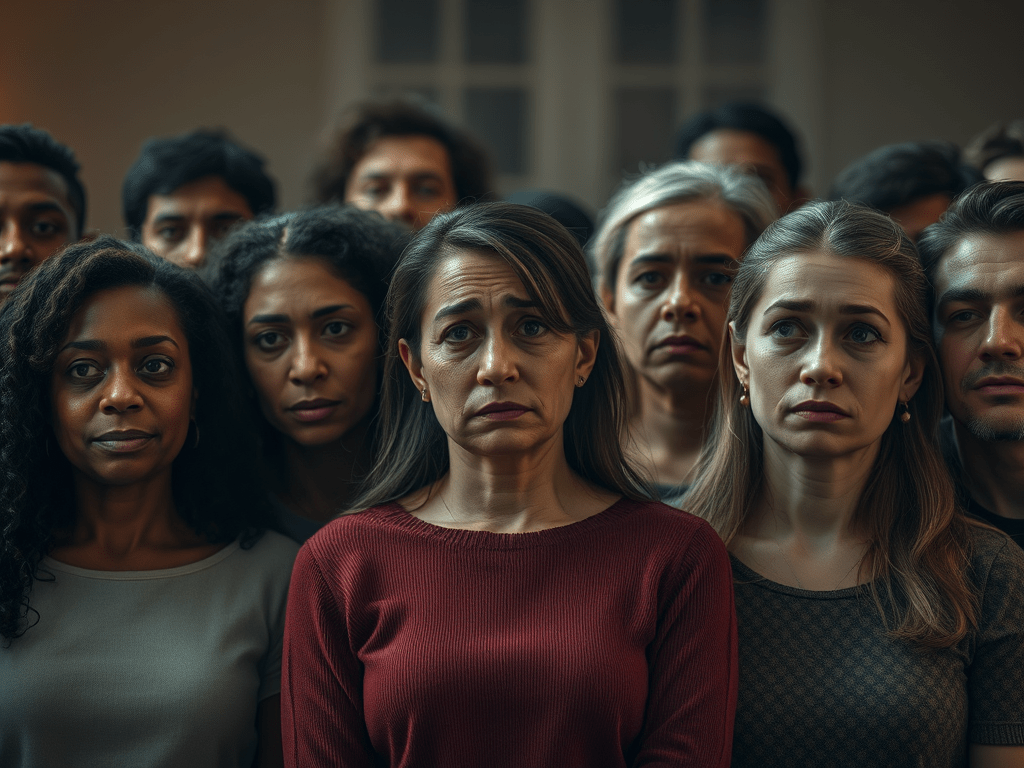
When a community becomes survivor‑literate, it stops asking individuals to carry collective pain.
Instead, it learns to:
- witness together
- repair together
- change together
- remember together
- protect each other
The wound becomes shared, not in a burdensome way, but in a way that distributes the weight so no one collapses under it.
This is how communal wounds finally heal.
Not through individual endurance.
Through collective holding.
7. The Future Becomes a Place of Regeneration, Not Repetition
Survivor‑illiterate communities repeat their wounds.
Survivor‑literate communities regenerate from them.
They become places where:
- harm is less likely
- truth is more welcome
- belonging is deeper
- relationships are sturdier
- silence is shorter
- repair is faster
- wisdom is cumulative
The future stops being a threat.
It becomes a continuation — a place where the community grows because of what it has survived, not in spite of it.
8. The Survivor‑Literate Community Is a New Kind of Home
A survivor‑literate community is not perfect.
It is not painless.
It is not conflict‑free.
It is alive.
It is a place where:
- people can speak
- people can be believed
- people can be held
- people can be accountable
- people can be human
It is a place where rupture does not end the story.
It deepens it.
It is a place where survivors are not exiled.
They are honored.
It is a place where the field is strong enough to hold everyone.
It is a place where healing is not the end — it is the beginning of a new way of being together.






















 Survivor Literacy
What do you think?