
Relational Field Theory
How Survivor Literacy Transforms the Future: From Rupture to Regeneration
Communities often imagine healing as a return to “how things were.”
But when a communal wound has occurred — when trust has been broken, when harm has been denied, when silence has calcified — there is no going back.
There is only going forward.
Survivor literacy is what makes that forward movement possible.
It doesn’t just help us understand the past.
It reshapes the future.
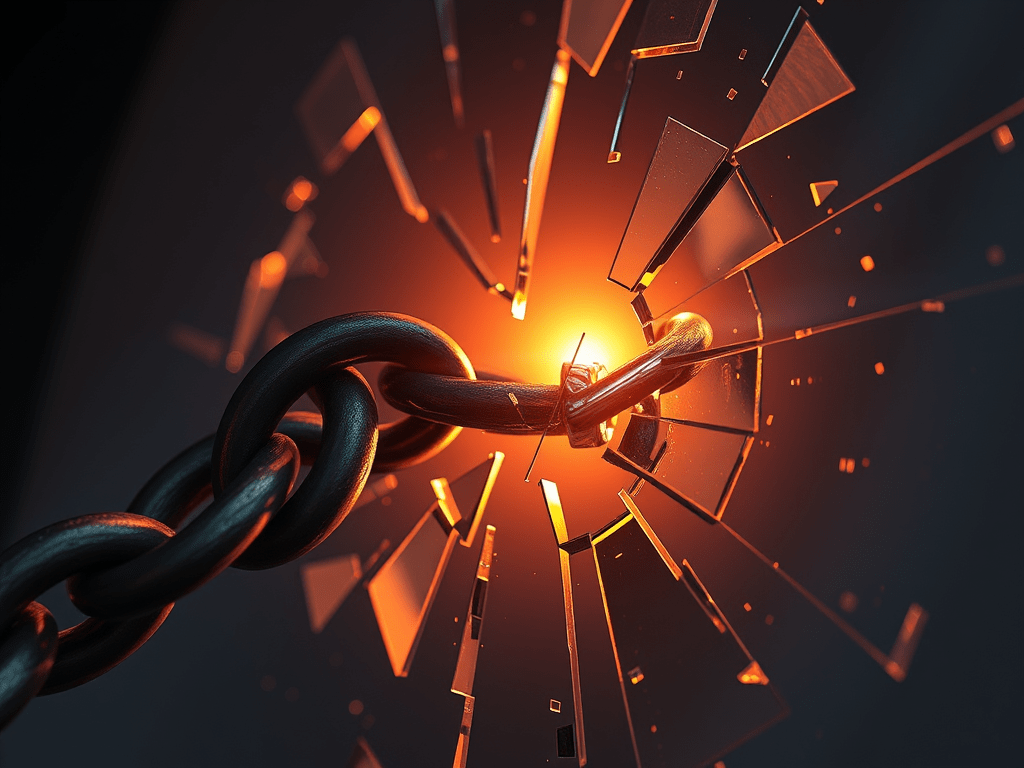
It turns rupture into regeneration.
Here’s how.
1. Survivor Literacy Turns Pain Into Pattern Recognition
When survivors speak with clarity — not just about what happened, but about how it moved through the field — they reveal the architecture of harm.
They show:
- where the system failed
- where silence took root
- where power distorted truth
- where the field buckled
- where the rupture began
This is not storytelling.
This is mapping.
And once a pattern is mapped, it can be prevented.
Survivor literacy transforms pain into data — the kind communities need to evolve.
2. Survivor Literacy Interrupts the Cycle of Repetition
Communal wounds repeat when:
- the truth is denied
- the harm is minimized
- the survivor is isolated
- the story is misattributed
- the rupture is never named
Survivor literacy breaks this cycle by making the invisible visible.
It says:
“This is what happened.
This is how it happened.
This is how it spreads.
This is how it can be stopped.”
It turns the survivor’s experience into a warning system — one that protects the next generation.
3. Survivor Literacy Rebuilds Trust Through Truth
Communities often try to rebuild trust through:
- reassurance
- positivity
- avoidance
- “moving on”
- pretending it wasn’t that bad
But trust cannot be rebuilt on denial.
Trust is rebuilt through truth.
Survivor literacy gives communities the language and courage to face what actually happened — not the sanitized version, not the comfortable version, but the real version.
And truth is the only foundation strong enough to hold a future.
4. Survivor Literacy Creates New Cultural Norms
When survivors speak with literacy, they teach the community new norms:
- We name harm.
- We don’t blame the person who felt it.
- We don’t collapse complexity into silence.
- We don’t protect the powerful at the expense of the vulnerable.
- We don’t confuse discomfort with danger.
- We don’t confuse politeness with safety.
- We don’t confuse denial with peace.
These norms become the immune system of the community — the thing that prevents future harm from taking root.
5. Survivor Literacy Expands the Community’s Capacity for Care
Most communities care in a limited way.
They care until it becomes uncomfortable.
They care until it challenges their identity.
They care until it requires change.
Survivor literacy expands that capacity.
It teaches communities:
- how to sit with discomfort
- how to hold complexity
- how to listen without defensiveness
- how to respond without collapsing
- how to repair without shame
This is not just emotional growth.
It is structural evolution.
6. Survivor Literacy Turns the Survivor Into a Cultural Resource
In a survivor‑illiterate community, survivors are treated as:
- burdens
- reminders of failure
- sources of conflict
- people to manage
In a survivor‑literate community, survivors become:
- interpreters of the field
- keepers of truth
- pattern recognizers
- cultural translators
- architects of repair
- guides for the future
Their experience becomes a resource, not a liability.
7. Survivor Literacy Makes Regeneration Possible
Regeneration is not restoration.
It is not a return to innocence.
It is not pretending the wound never happened.
Regeneration is:
- integrating the truth
- transforming the culture
- strengthening the field
- preventing recurrence
- honoring the survivor
- evolving the community
Survivor literacy is the catalyst.
It turns the wound into wisdom.
It turns the rupture into a doorway.
It turns the survivor into a guide.
It turns the community into something stronger than it was before.
8. The Future Belongs to Survivor‑Literate Communities
Communities that cannot understand their survivors will repeat their wounds.
Communities that can understand their survivors will regenerate.
They will become:
- safer
- wiser
- more resilient
- more honest
- more humane
- more capable of holding complexity
Survivor literacy is not just about healing the past.
It is about building a future worth living in.
A future where harm is not hidden.
Where truth is not punished.
Where survivors are not isolated.
Where the field is strong enough to hold everyone.
A future where rupture becomes regeneration.


























 Survivor Literacy
What do you think?