
Relational Field Theory
What Dimensional Thinking Actually Does for Relationships
Most of us were taught to understand relationships in one dimension:
someone is either close or distant, present or absent, engaged or withdrawn.
When something goes wrong, we assume there must be a single cause.
But human interaction isn’t one‑dimensional.
It’s multi‑dimensional — shaped by independent axes that most of us were never taught to see.
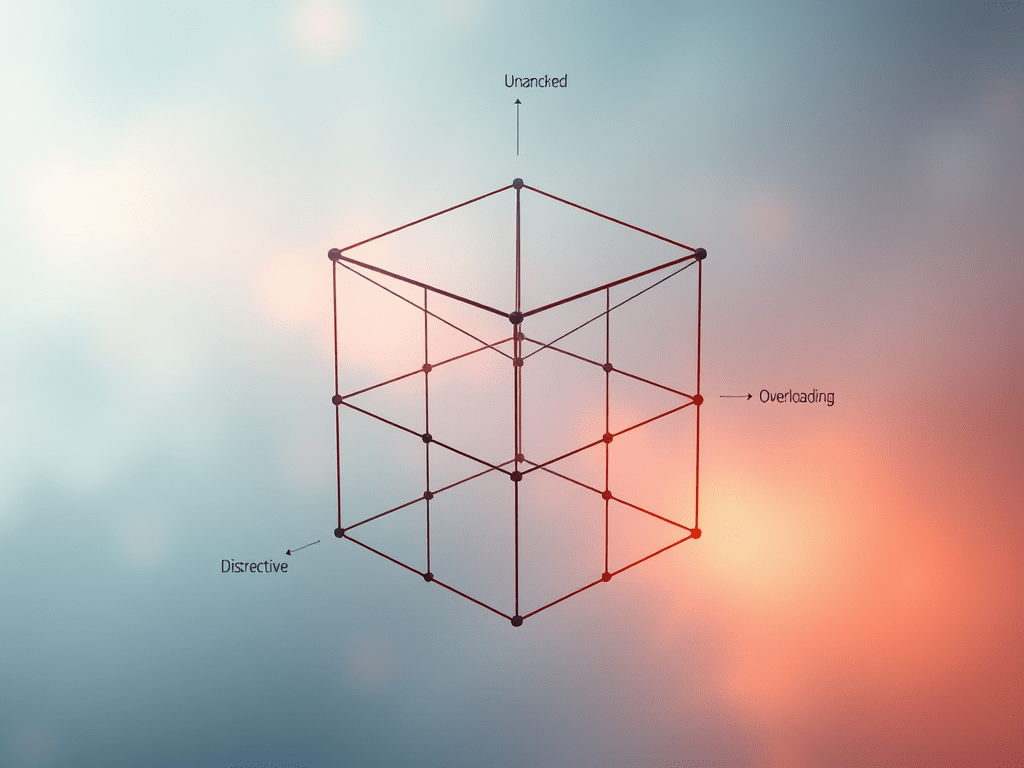
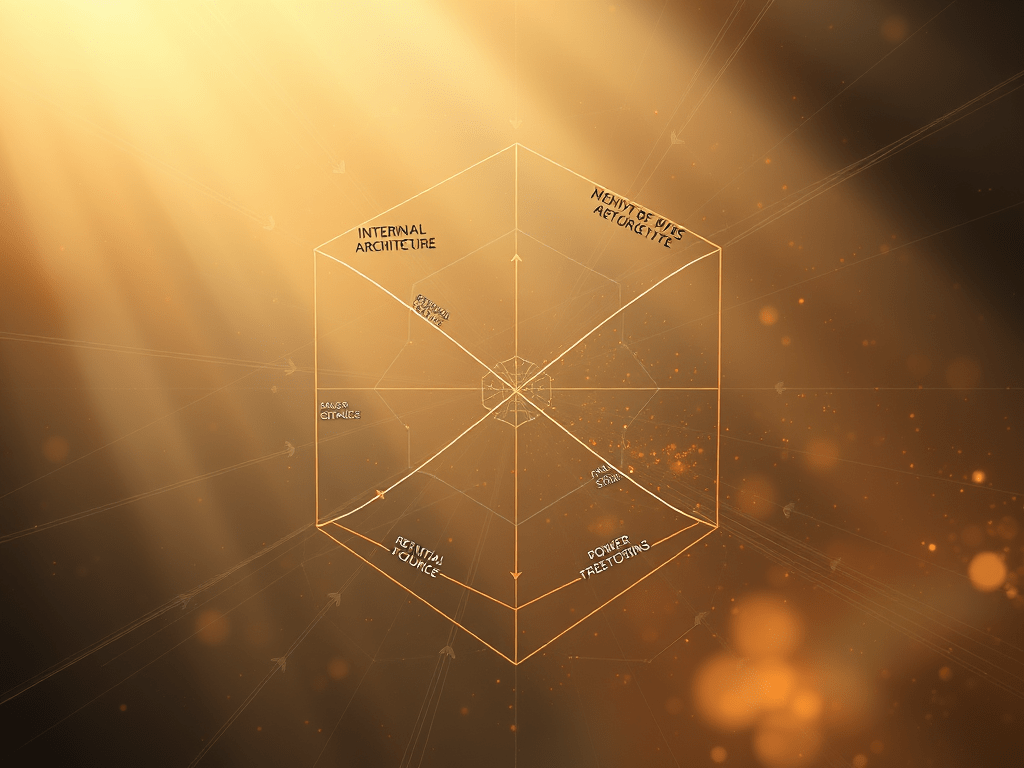
Recently, I’ve been mapping these axes into what I call a relational hypercube: a four‑dimensional coordinate system that describes how people actually meet each other in the field.
But before we go deeper into the structure, it’s worth asking a simpler question:
What does understanding relationships this way actually do?
Why does it matter?
Why does it help?
Why does it feel like relief?
Here’s the answer.
It turns confusion into clarity
When you see relationships as dimensional instead of linear, you stop asking:
- “Why is this happening?”
and start asking: - “Where is this happening?”
That shift alone dissolves so much confusion.
Instead of guessing motives, you can locate the state:
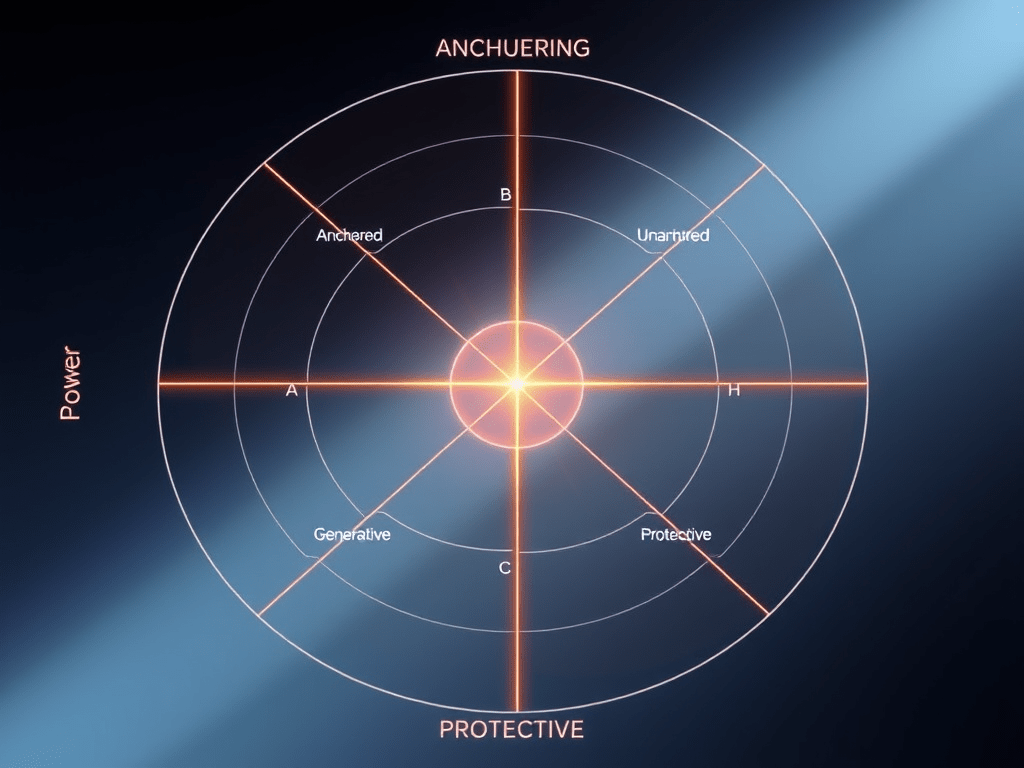
- Are they anchored or unanchored?
- Generative or protective?
- Relating or disrelating?
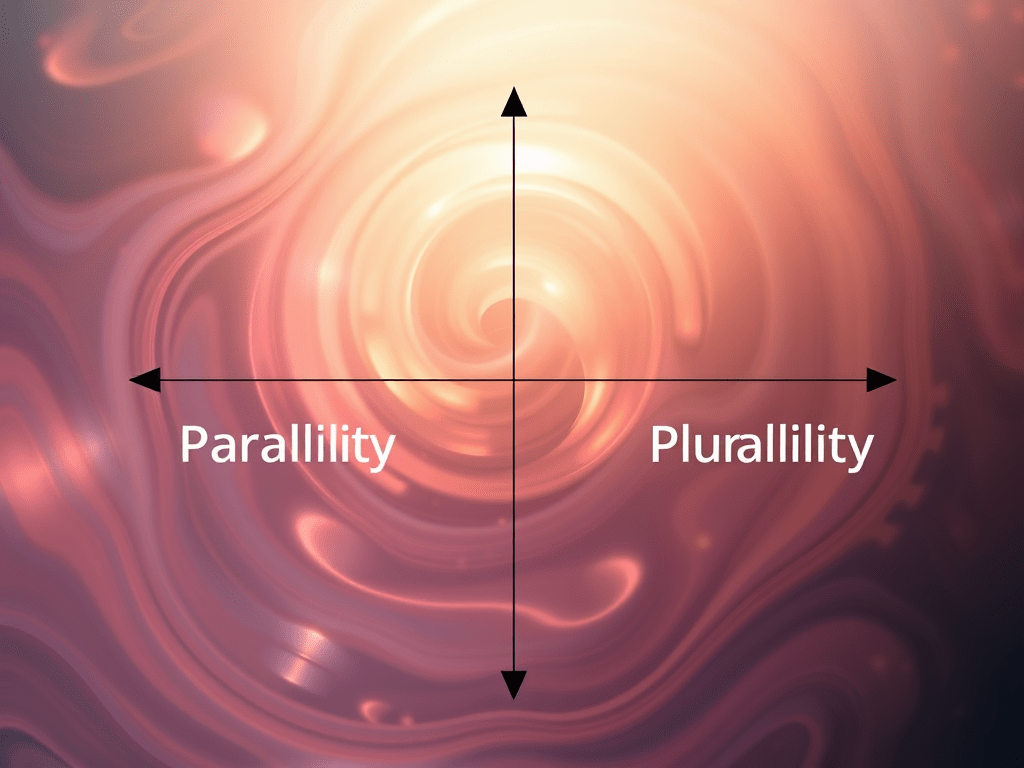
- Parallile or singular internally?
Suddenly the behavior that felt unpredictable becomes legible.
It dissolves guilt and shame
One of the most powerful things dimensional thinking does is separate:
structural behavior
from
emotional behavior.
A lot of people carry guilt because they misread a structural state as a personal failure. They think:
- “I should have known.”
- “I should have done more.”
- “I failed them.”
But once you see the axes, you realize:
It wasn’t a failure — it was a coordinate mismatch.
This reframes the past without blame.
It restores agency.
It opens new paths forward.
It reveals repair pathways that were invisible before
Each axis has its own repair mechanism:
- Unanchored → anchor the relationship
- Protective → restore safety
- Disrelate → rebuild coherence
- Parallile overload → reduce complexity
- Singular rigidity → increase flexibility
When you know the axis, you know the repair.
You stop trying to fix the wrong thing.
This is the beginning of precision relational repair.
It explains why the same person behaves differently in different contexts
Dimensional thinking shows that behavior isn’t fixed — it’s positional.
Someone can be:
- generative in one field and protective in another
- anchored with one person and unanchored with another
- coherent in one group and disrelating in another
This isn’t inconsistency.
It’s dimensionality.
It gives language to experiences people have never been able to name
Many people have spent their lives feeling:
- “too much”
- “too intense”
- “too sensitive”
- “not deep enough”
- “not emotional enough”
Dimensional thinking reframes all of this as architecture, not identity.
It gives people a way to understand themselves without shame.
It turns relational life into something map‑able
Once you see the axes, you can map:
- conversations
- friendships
- conflicts
- communities
- creative collaborations
- even AI systems
This is the beginning of a relational physics — a way to understand not just who people are, but where they are in the field.
This is the first post in a nine‑part series exploring what dimensional thinking unlocks.
Next up:
How the hypercube gives us predictive power in relationships.



























 Survivor Literacy
What do you think?