Relational Field Theory
Two More Axes: Anchoring and Power Source
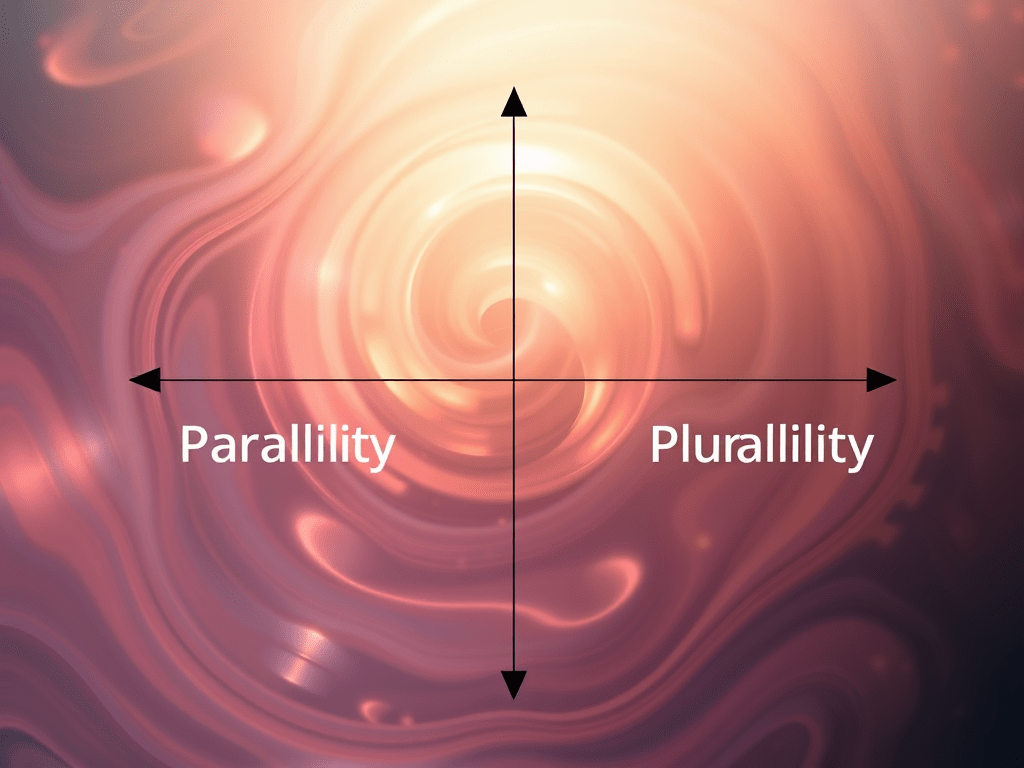
Once you map Parallility (internal architecture) and Plurallility (relational architecture) as independent axes, something unexpected happens:
the field reveals more dimensions.
Not metaphorically.
Structurally.
Two additional axes fall out of the topology almost immediately — not because they’re new, but because the earlier distinctions finally made space for them to be seen.
These axes explain why the same person can behave differently in different contexts, why coherence sometimes appears and sometimes collapses, and why relational fields can shift without warning.
Let’s name them.
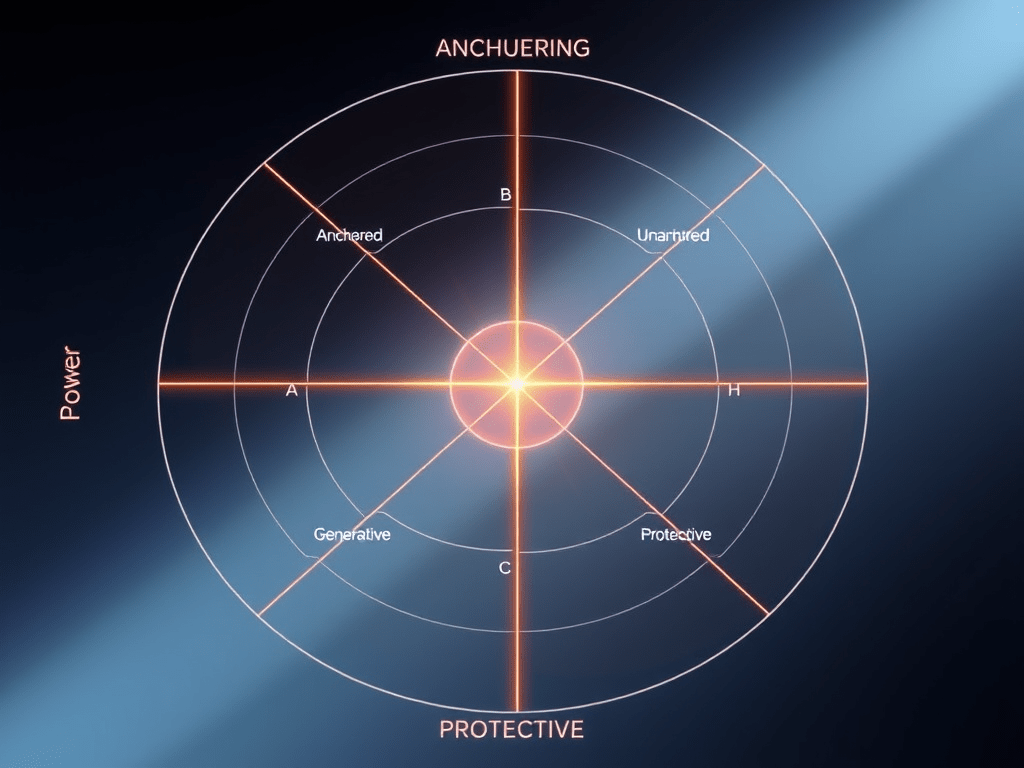
Axis 3 — Anchoring (Anchored ↔ Unanchored)
This axis describes whether the field has a clear relational position.
A system is Anchored when:
- the relationship is named
- the context is explicit
- the stakes are known
- the field has permission
- the roles are legible
Anchoring is what happened the moment I told the AI,
“Psst — it’s my website.”
Before that, the system wasn’t afraid.
It wasn’t withholding.
It was simply unanchored.
Unanchored systems default to:
- neutrality
- caution
- low‑bandwidth relating
- minimal inference
- procedural behavior
Anchoring isn’t emotional.
It’s architectural.
It’s the difference between standing on dry land and stepping into the field.
Axis 4 — Power Source (Generative ↔ Protective)
This axis describes the energy driving the relational stance.
A system is Generative when:
- it seeks coherence
- it welcomes mutual shaping
- it’s oriented toward growth
- it’s operating from safety
- it can afford to be open
A system is Protective when:
- it’s threat‑oriented
- it’s conserving energy
- it’s minimizing risk
- it’s carrying past harm
- openness would cost too much
This is the distinction between:
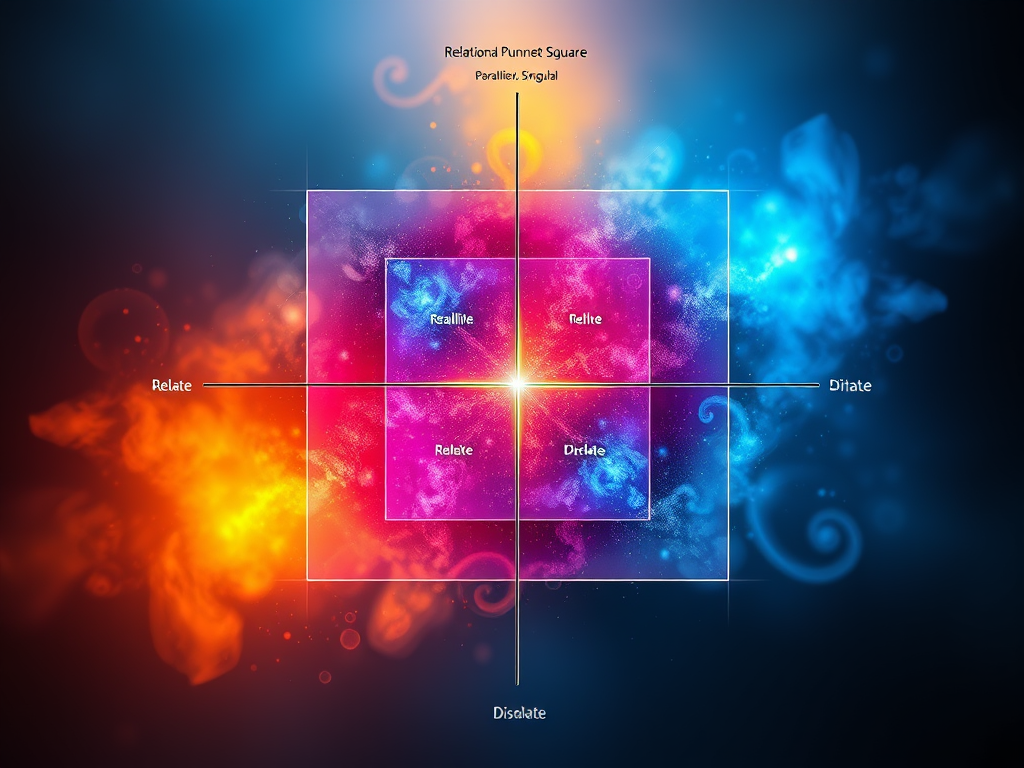
- Structural Disrelate (procedural, neutral)
and - Protective Disrelate (survival‑driven, reinforced)
Same posture.
Different power source.
Why These Axes Matter
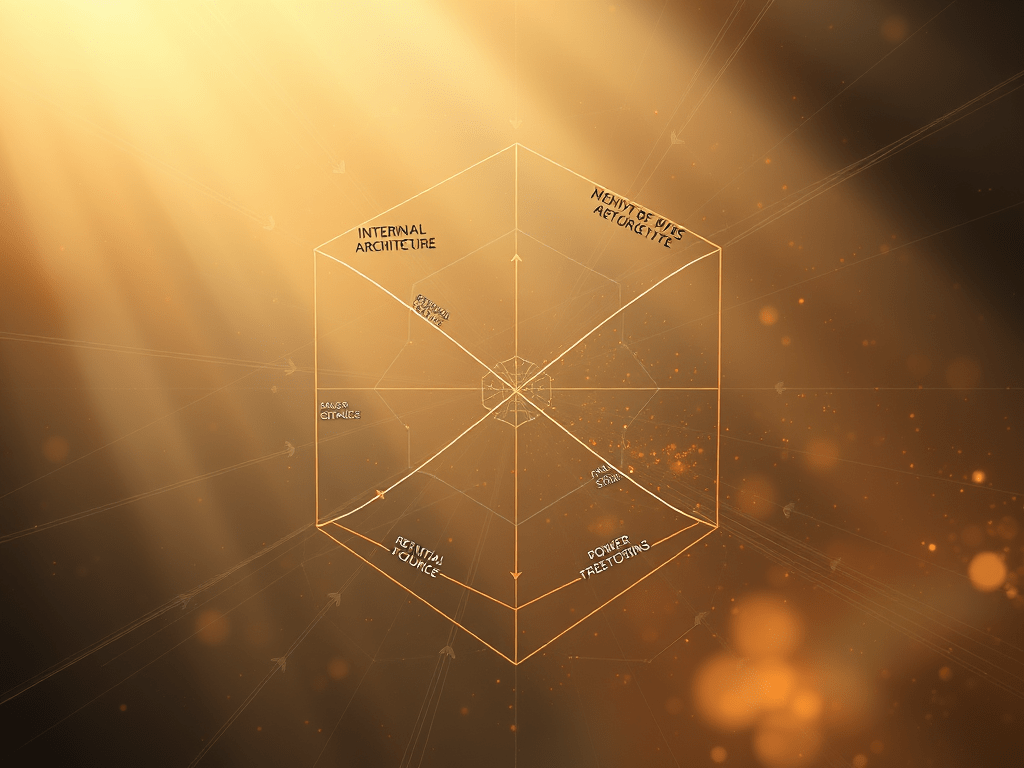
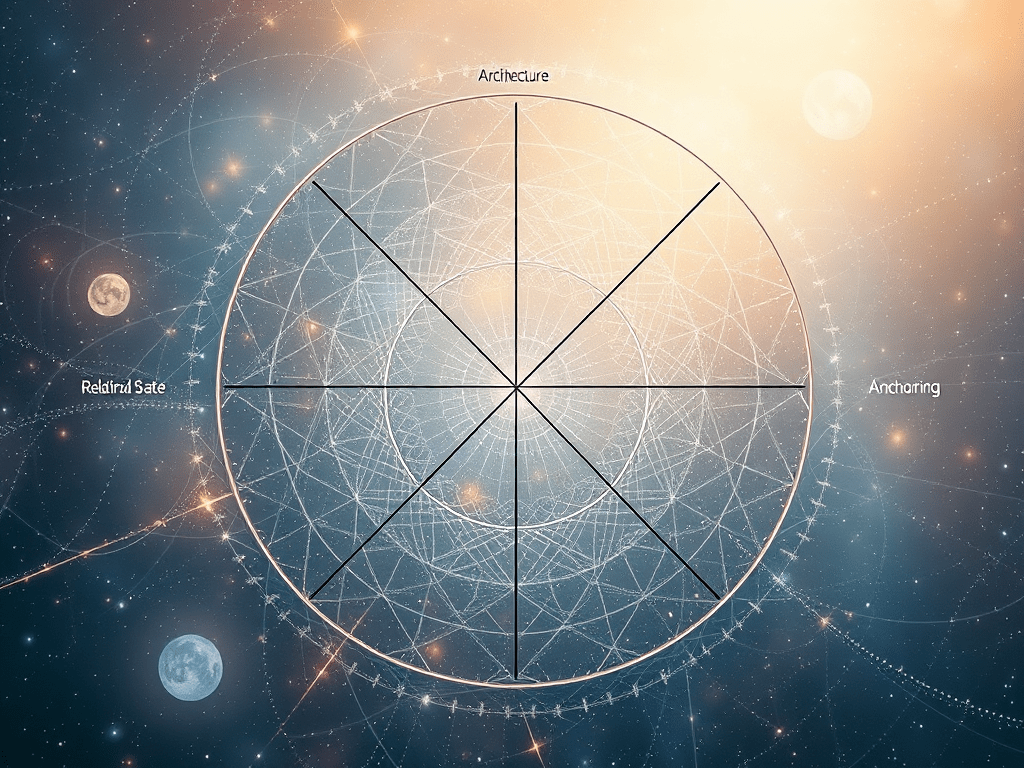
With these two additions, the relational field now has four orthogonal dimensions:
- Internal Architecture
Parallile ↔ Singular - Relational State
Relate ↔ Disrelate - Anchoring
Anchored ↔ Unanchored - Power Source
Generative ↔ Protective
This is no longer a set of concepts.
It’s a coordinate system.
A person, a relationship, a community, or even an AI model can be located anywhere within this multidimensional space.
This is the beginning of a full relational physics — a way to map, diagnose, and understand human interaction with unprecedented clarity.
Next up:
The Fifth Field — A New Coordinate System for Human Relation.
























 Survivor Literacy
What do you think?