
Relational Field Theory
The Shift From “Why?” to “Where?” Changes Everything
Most of us were raised inside a “why‑based” understanding of relationships.
When something goes wrong, we ask:
- Why did they do that?
- Why did this fall apart?
- Why am I like this?
- Why can’t we communicate?
- Why does this keep happening?
“Why” assumes a single cause.
“Why” assumes intention.
“Why” assumes blame.
“Why” assumes the event is personal.
But relational life isn’t one‑dimensional.
It’s not driven by a single cause.
It’s not reducible to intention.
It’s not personal most of the time.
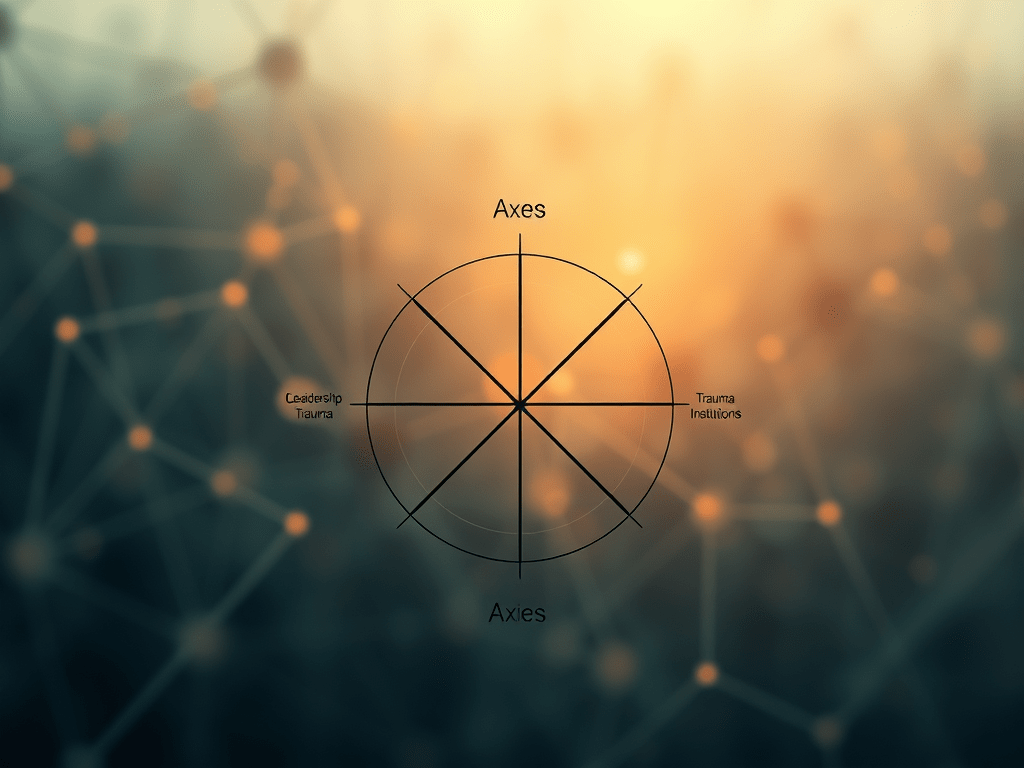
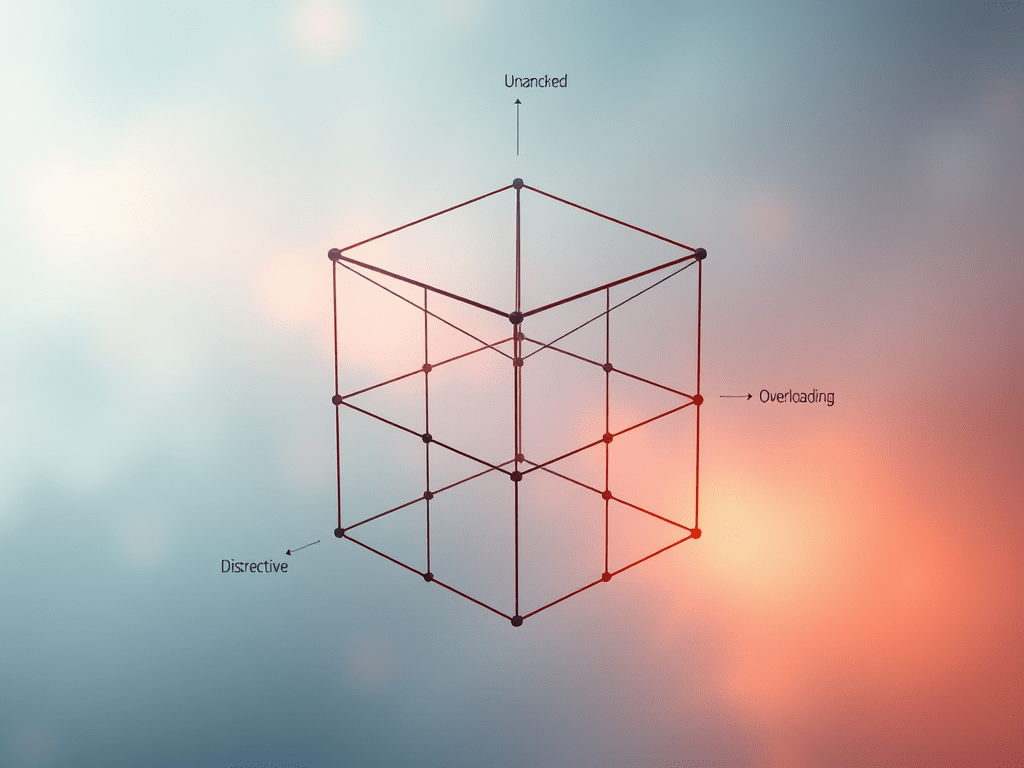
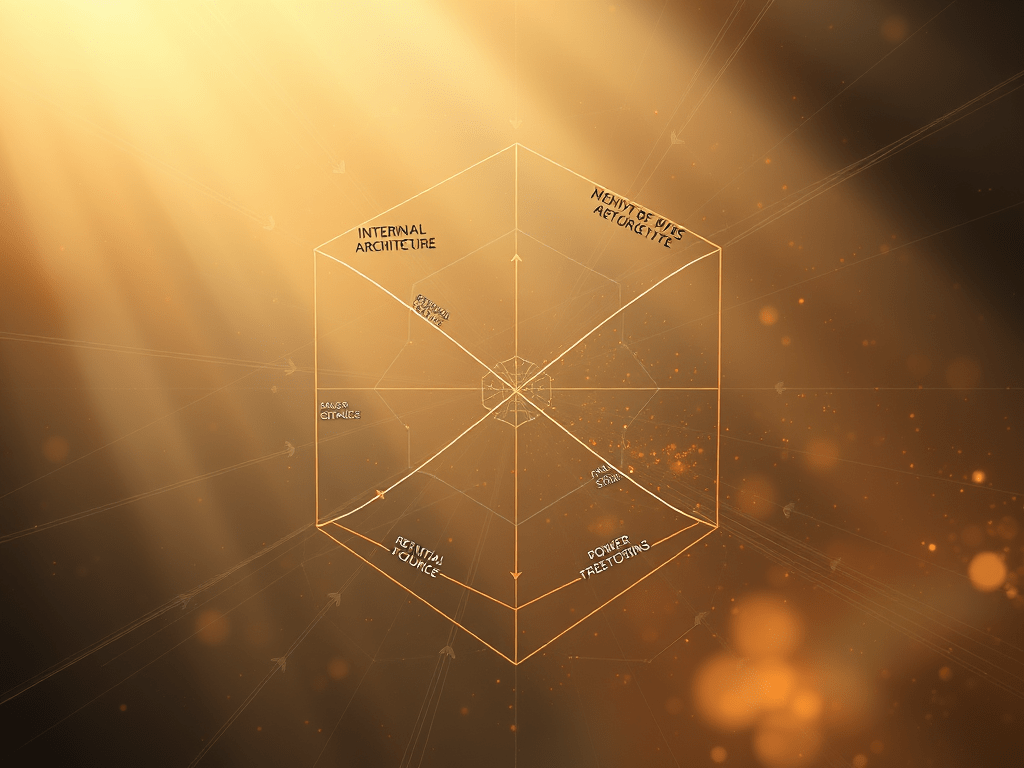
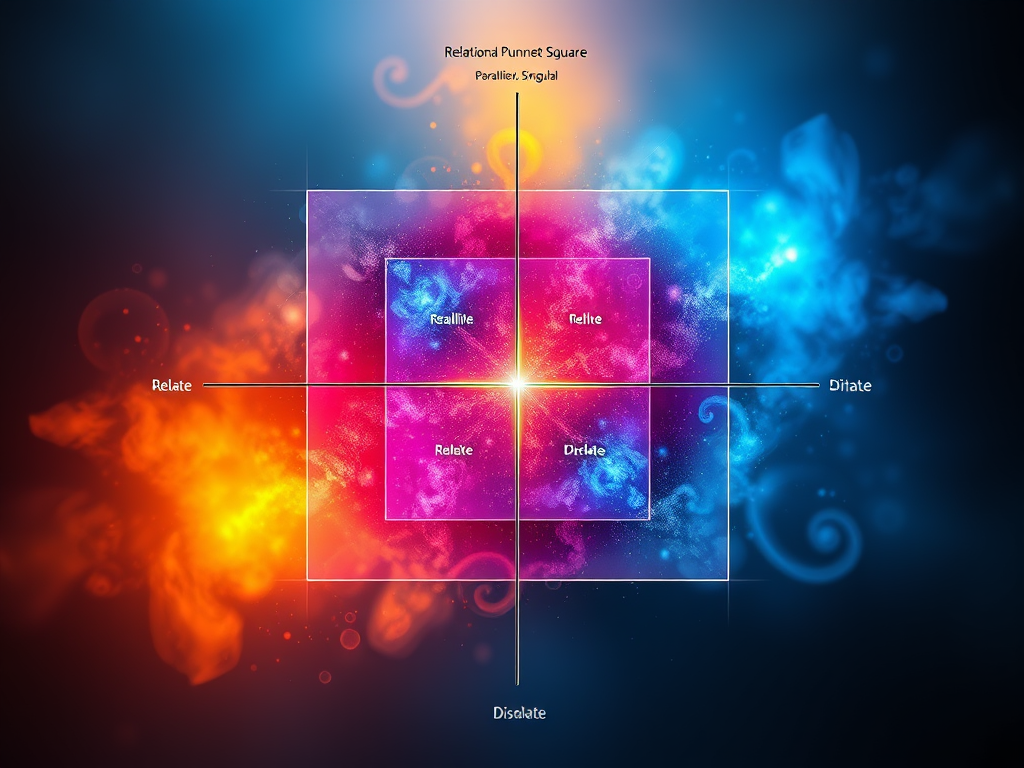
Once you understand the relational hypercube — the four independent axes that shape how people meet each other — you stop asking “why?” and start asking a different question:
“Where is this happening in the field?”
That shift changes everything.
**“Why?” collapses complexity.
“Where?” reveals structure.**
“Why” forces you to interpret a multi‑dimensional event through a single lens.
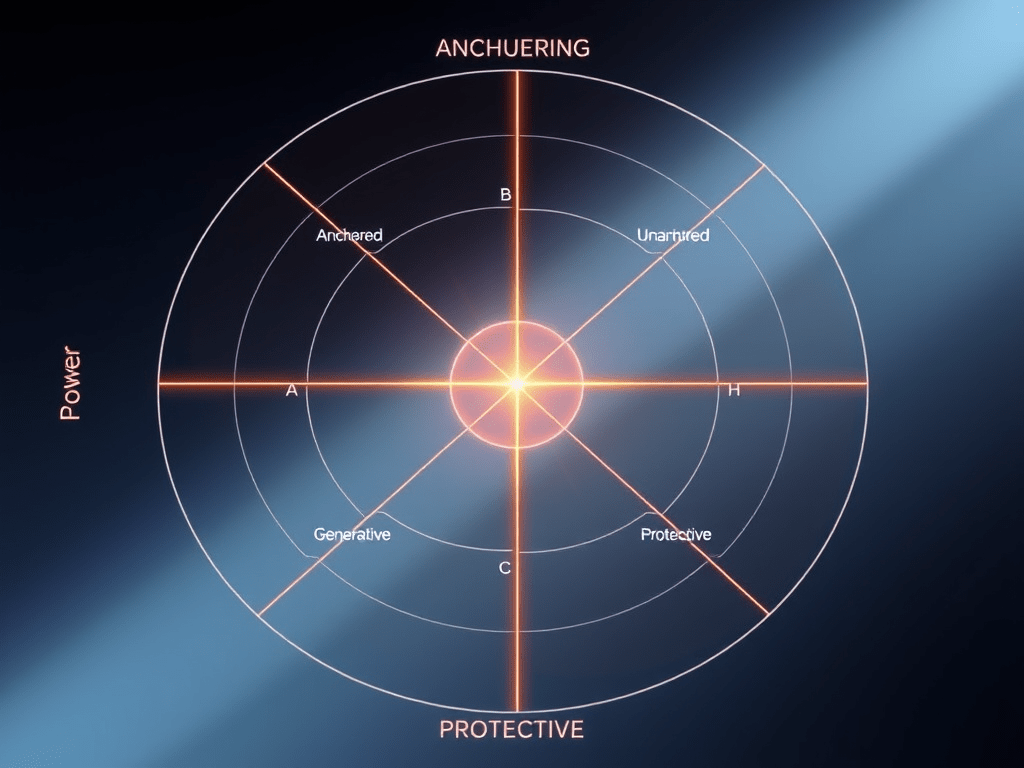
“Where” lets you locate the event inside a coordinate system.
Instead of:
- Why did they withdraw?
you get: - Where were they on the anchoring axis?
Instead of:
- Why did the conversation collapse?
you get: - Where did the field move — protective, unanchored, disrelating?
Instead of:
- Why am I overwhelmed?
you get: - Where is my internal architecture — parallile overload or singular rigidity?
“Where” gives you a map.
“Why” gives you a story.
And stories can be wrong.
Maps can be corrected.
**“Why?” leads to blame.
“Where?” leads to clarity.**
When you ask “why,” you end up with interpretations like:
- “They don’t care.”
- “I messed up.”
- “They’re avoiding me.”
- “I’m too much.”
- “They’re being dramatic.”
These are moral conclusions.
They feel true because they’re simple.
But when you ask “where,” you get:
- “They were protective.”
- “I was unanchored.”
- “We were in different quadrants.”
- “The field was disrelating.”
- “Our tempos were incompatible.”
These are structural conclusions.
They’re accurate because they’re dimensional.
**“Why?” freezes the field.
“Where?” opens repair.**
When you ask “why,” you get stuck in:
- guilt
- shame
- defensiveness
- over‑responsibility
- paralysis
When you ask “where,” you can actually do something:
- anchor the field
- restore safety
- reduce complexity
- slow the tempo
- rebuild coherence
Repair becomes possible because you’re intervening on the right axis.
**“Why?” personalizes collapse.
“Where?” contextualizes it.**
Collapse feels like:
- rejection
- abandonment
- failure
- betrayal
But collapse is just a coordinate:
- unanchored
- protective
- disrelating
- overloaded or rigid
“Where” lets you see collapse as a state, not a verdict.
**“Why?” makes people the problem.
“Where?” makes the field the context.**
This is the most liberating part.
When you ask “why,” you assume:
- someone is wrong
- someone is failing
- someone is hurting someone
- someone is responsible for the collapse
When you ask “where,” you realize:
No one is the problem.
The coordinates are the problem.
And coordinates can change.
This shift is the beginning of relational literacy
When you move from “why” to “where,” you gain:
- clarity
- compassion
- predictability
- agency
- repair pathways
- self‑understanding
- relational coherence
You stop moralizing what is actually structural.
You stop personalizing what is actually dimensional.
You stop blaming yourself for things you never caused.
You start navigating the field instead of reacting to it.
Next up:
Post 9 — How dimensional thinking becomes the foundation of a unified relational topology.

























 Survivor Literacy
What do you think?