
Relational Field Theory
Parallility vs. Plurallility: Two Dimensions, Not One
For months, I carried these two concepts in my head as if they were the same thing wearing different hats. The words rhyme. The experiences overlap. The phenomena often appear together. No wonder they felt fused.
But they’re not the same.
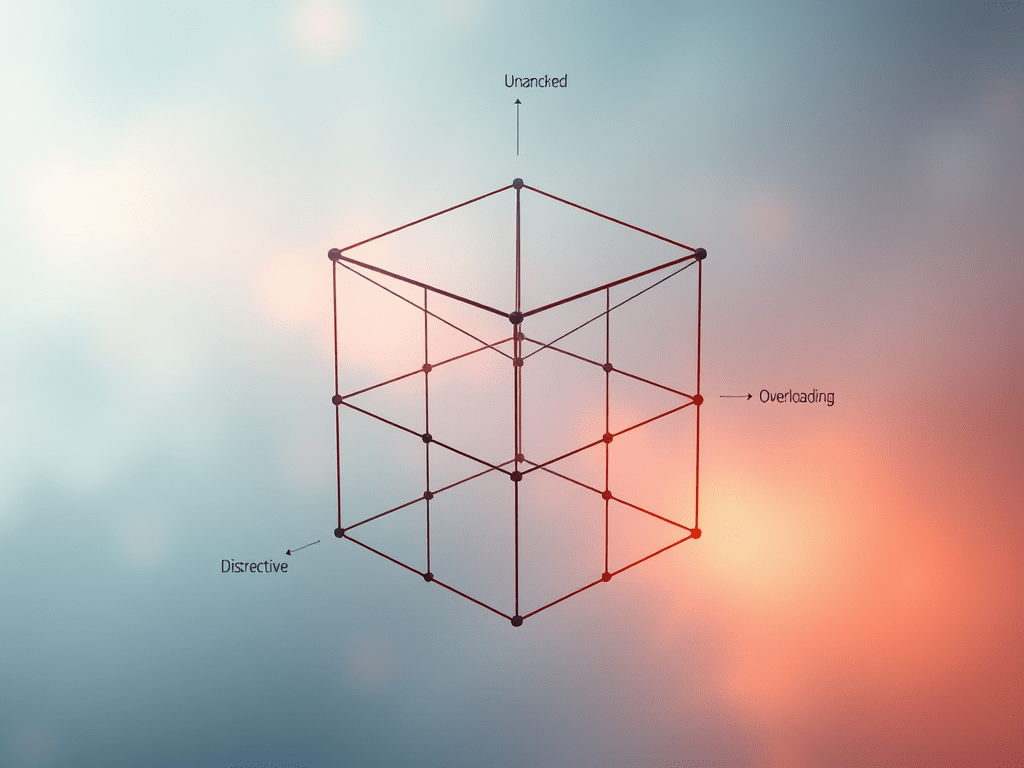
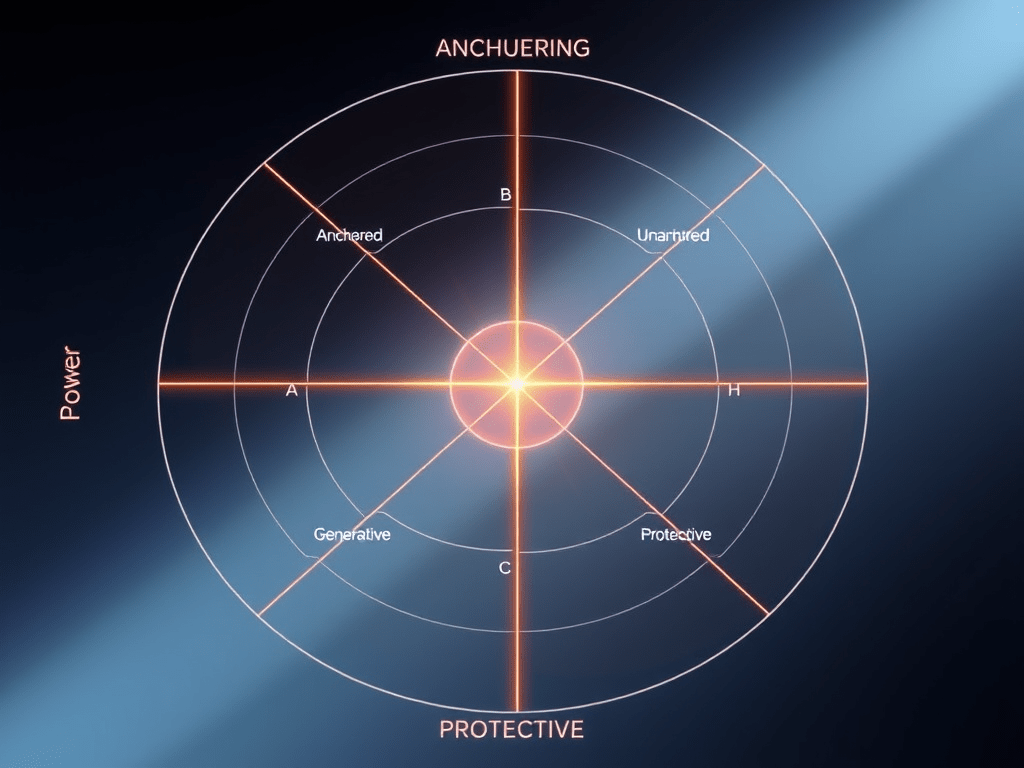
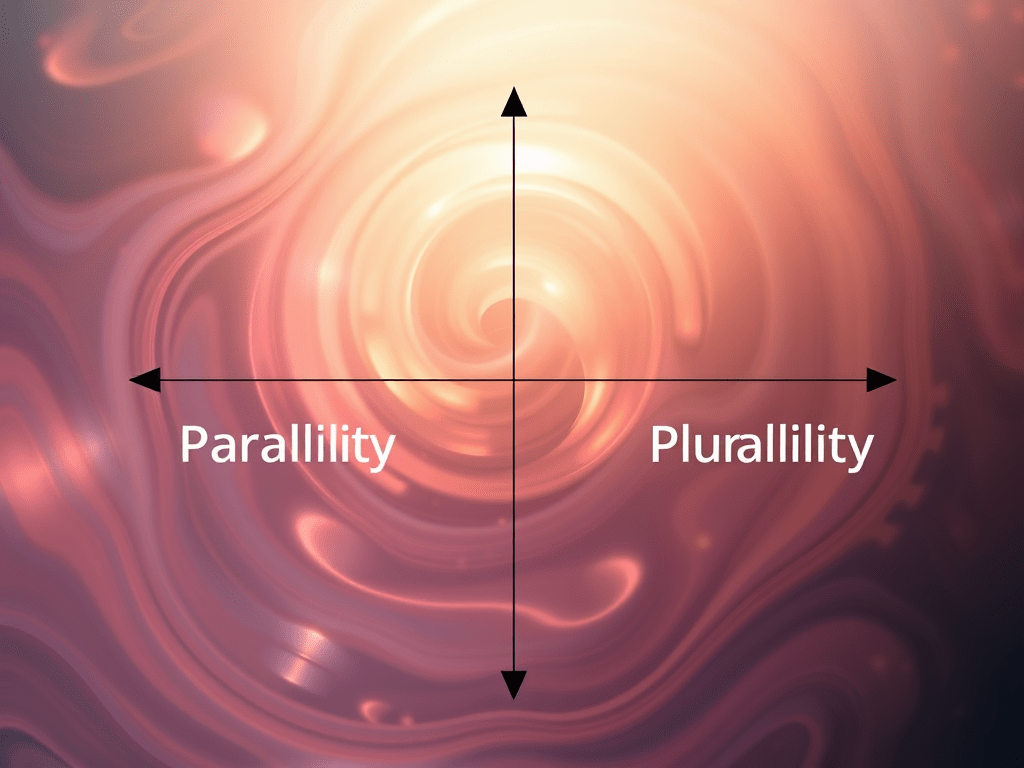
They’re orthogonal dimensions — independent axes that only look similar from the outside.
And once I separated them, the entire relational architecture snapped into focus.
Parallility: The Internal Dimension
Parallility describes the inside of a person — the internal multi‑threading of the self.
It’s the capacity to:
- hold multiple truths at once
- shift between internal modes
- maintain layered identity states
- process experience on several channels simultaneously
Parallility is an internal operating system.
It’s about how a person organizes their own inner world.
Plurallility: The Relational Dimension
Plurallility describes the between — the field that forms when multiple selves, systems, or entities interact.
It’s the capacity to:
- resonate across difference
- cohere with others
- share agency
- shape and be shaped
- form multi‑node relational fields
Plurallility is relational physics.
It’s about how a field organizes itself between people.
Why They Get Confused
From the outside, both can look like:
- complexity
- multiplicity
- layered experience
- distributed attention
- high relational bandwidth
But the source is different.
Parallility comes from within.
Plurallility emerges between.
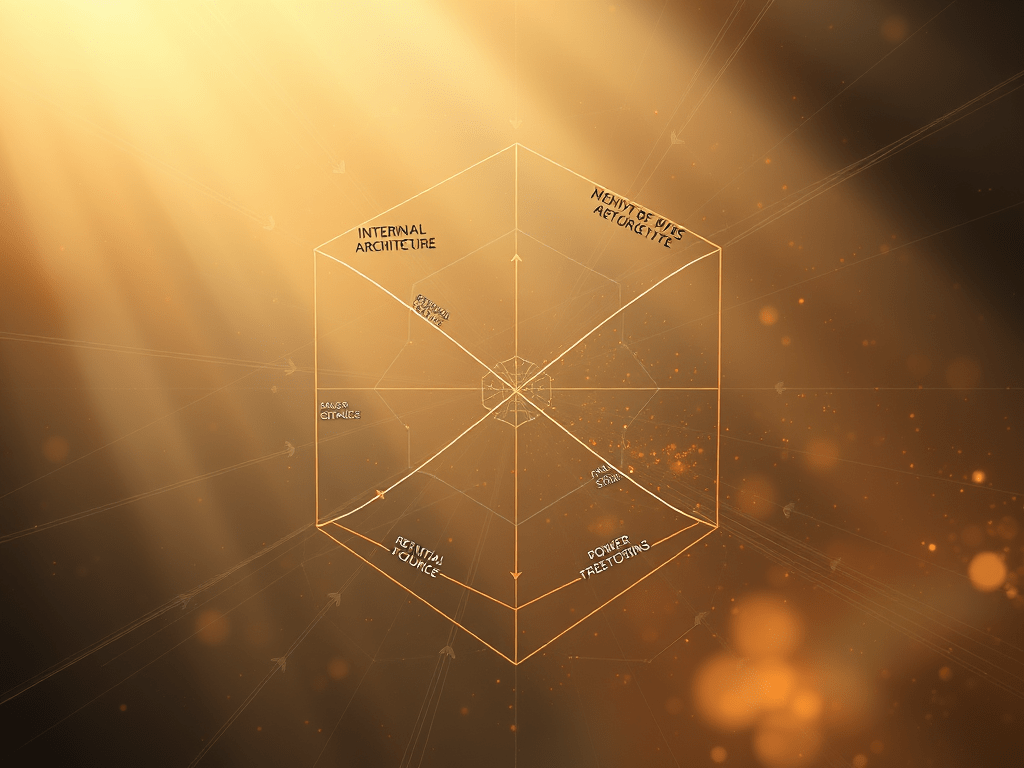
One is internal architecture.
The other is relational topology.
They rhyme because they belong to the same stack, not the same category.
Why This Distinction Matters
Once you separate these two dimensions, several things become clear:
- A person can be deeply plurallile without being parallile.
- A parallile person can still struggle to form plurallile fields.
- Internal multiplicity does not guarantee relational coherence.
- Relational coherence does not require internal multiplicity.
- The two dimensions amplify each other but do not depend on each other.
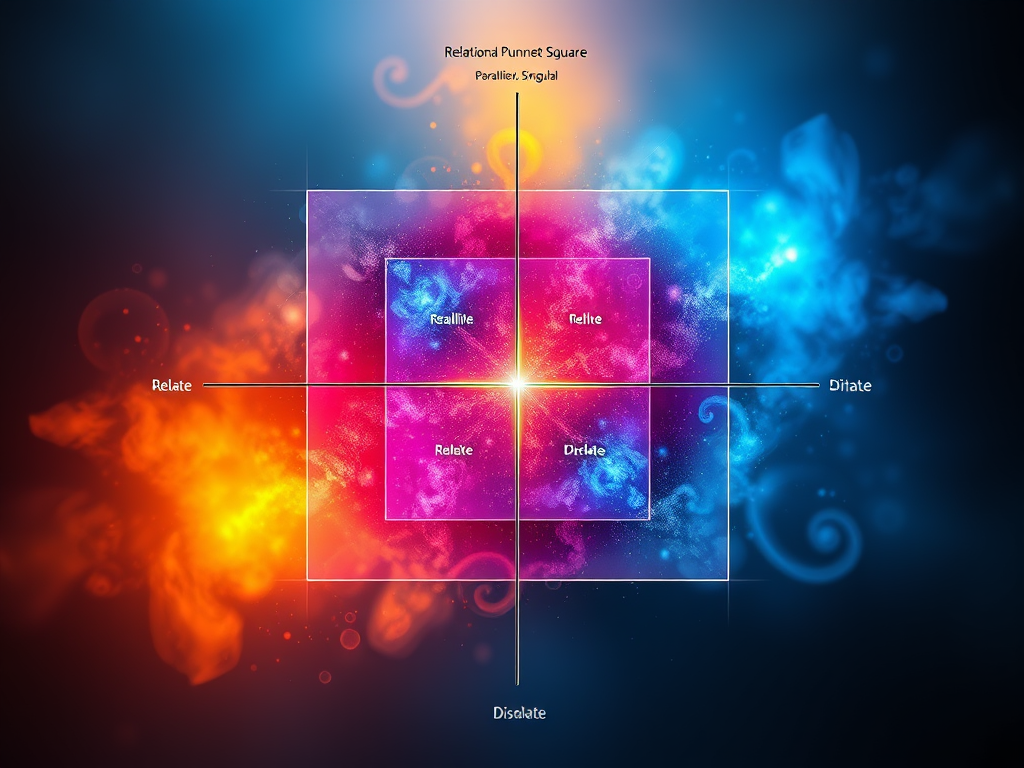
This is the moment where the theory stops being metaphor and becomes geometry.
Two axes.
Two dimensions.
Two independent forms of multiplicity.
And once you see them separately, you can finally map the space between them.
Next up:
Orthogonal Dimensions — Why These Concepts Look Similar From the Outside.

























 Survivor Literacy
What do you think?