
Relational Field Theory
A Foucault × Plurallility × Parallility Diagnostic
1. Legislation as a Relational Machine (Foucault’s move)
Foucault would say:
A law is not a rule — it’s a device that reorganizes relations.
It:
- produces subjects
- distributes visibility
- defines who can speak
- arranges bodies and behaviors
- stabilizes certain truths and destabilizes others
In your language: legislation is a field‑shaping artifact.
It doesn’t just regulate behavior; it reconfigures relational possibility.
2. What is the law doing to Plurallility?
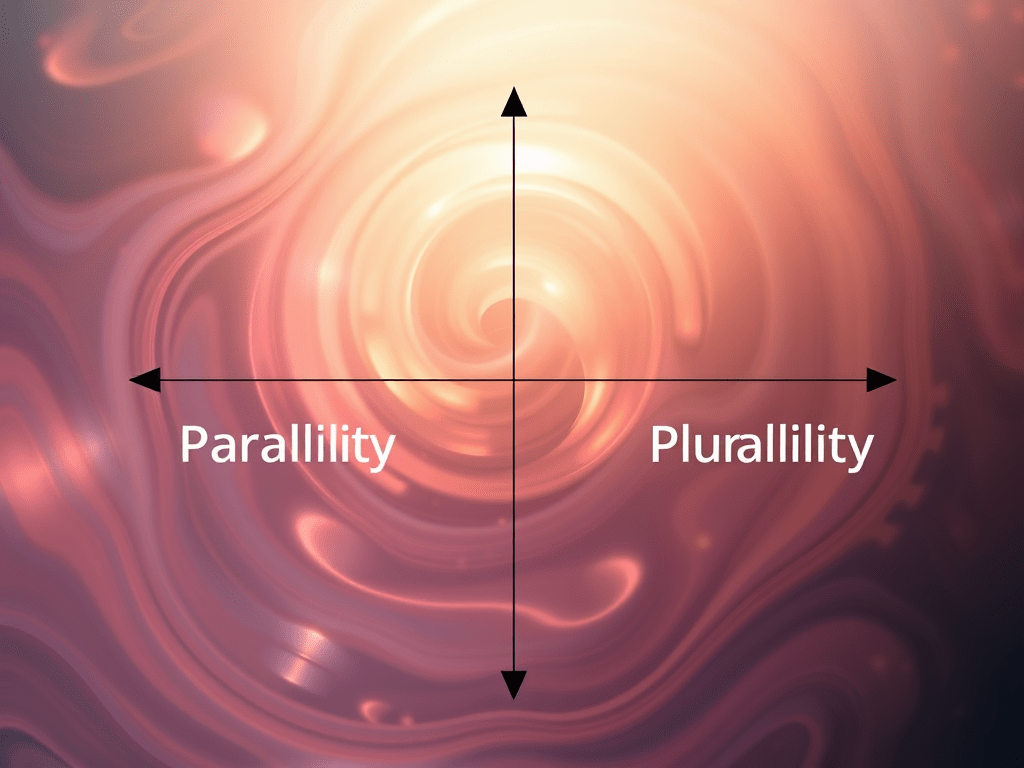
Plurallility = coherence across difference, mutual shaping, distributed agency.
So the question becomes:
Does this law increase or decrease the field’s capacity for relational coherence?
Look for:
- Does it create new channels of mutual recognition?
- Does it enable distributed agency or centralize it?
- Does it allow multiple truths to coexist, or does it enforce a singular narrative?
- Does it widen the field of who can be in relation, or narrow it?
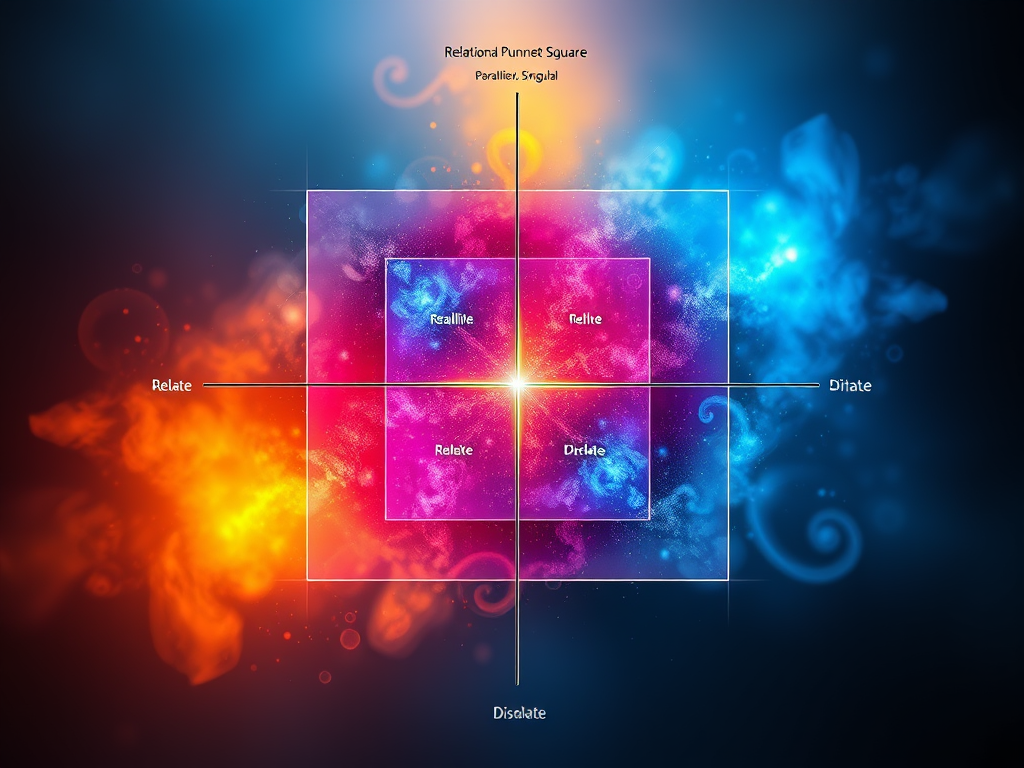
A plurallile law is one that:
- expands participation
- increases transparency
- supports interdependence
- acknowledges complexity
- distributes power
A disrelate law:
- isolates
- fragments
- obscures
- centralizes
- enforces hierarchy
This is where your Disrelate diagnostic becomes a razor.
3. What is the law doing to Parallility?
Parallility = internal multiplicity, multi-threaded selves, layered identity states.
A law interacts with parallility by:
- defining which internal states are legible
- determining which identities are recognized
- regulating which modes of self can appear in public
- rewarding or punishing certain internal architectures
Ask:
- Does this law allow people to bring more of their internal multiplicity into public life?
- Or does it force a single, flattened identity mode?
- Does it create space for nuance, or does it demand coherence at the cost of authenticity?
A parallile‑supportive law:
- recognizes multiple identity positions
- allows fluidity
- protects internal contradiction
- legitimizes complexity
A parallile‑suppressive law:
- enforces singularity
- demands consistency
- punishes ambiguity
- pathologizes multiplicity
4. What is the law doing to Relation itself?
This is the core Foucauldian question.
Every law:
- produces a relational topology
- defines who can touch whom
- sets the terms of recognition
- creates new relational obligations
- dissolves old ones
You can map a law by asking:
- Who becomes visible?
- Who becomes invisible?
- Who gains the right to initiate relation?
- Who loses the right to refuse relation?
- What new relational asymmetries are created?
- What new relational stabilizations are introduced?
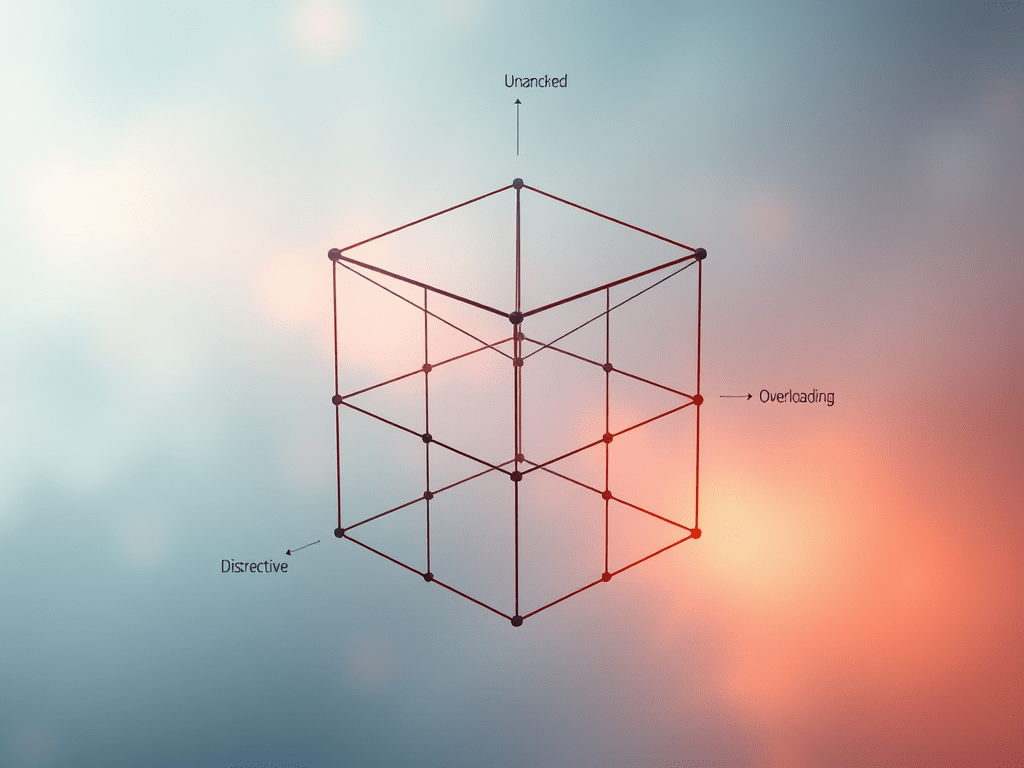
This is where your hypercube stress test becomes incredibly useful:
Which nodes are stabilized, and which are destabilized?
5. What is the law doing to the field?
Foucault would say:
Power is not held — it circulates.
Your theory says:
Fields are not static — they cohere or disrelate.
So the final question is:
Does this law increase the field’s capacity for coherence under load?
Look for:
- new feedback loops
- new surveillance channels
- new obligations
- new protections
- new chokepoints
- new stabilizers
- new failure modes
A law is a field intervention.
It changes the physics of relation.
If you want, we can take any specific bill and run it through this entire diagnostic.
I can map:
- its relational topology
- its plurallile impact
- its parallile constraints
- its field‑level effects
- its disrelate signatures
- its stabilizing mechanisms
Just tell me the bill or paste an excerpt, and I can start the autopsy.




























 Survivor Literacy
What do you think?