
Relational Field Theory
A Real Story of How Dimensional Thinking Changes Everything
A few days ago, a friend reached out after reading the Field Guide to Red Flags.
She told me something that stopped me in my tracks.
For years, she’d been carrying guilt about a situation with someone she cared about.
She replayed it over and over.
She wondered what she should have done differently.
She blamed herself for not showing up “the right way.”
But after reading the guide, she said:
“I’m seeing the whole thing differently now.
I wasn’t wrong.
I was in a different dimension than they were.”
And just like that, years of guilt loosened.
Not because the past changed.
Not because she found a new excuse.
But because she finally had a map.
She hadn’t failed. She had misread the coordinates.
Before she had the framework, she interpreted the moment through a single lens:
- “I should have known.”
- “I should have stayed.”
- “I should have been more patient.”
- “I should have handled it better.”
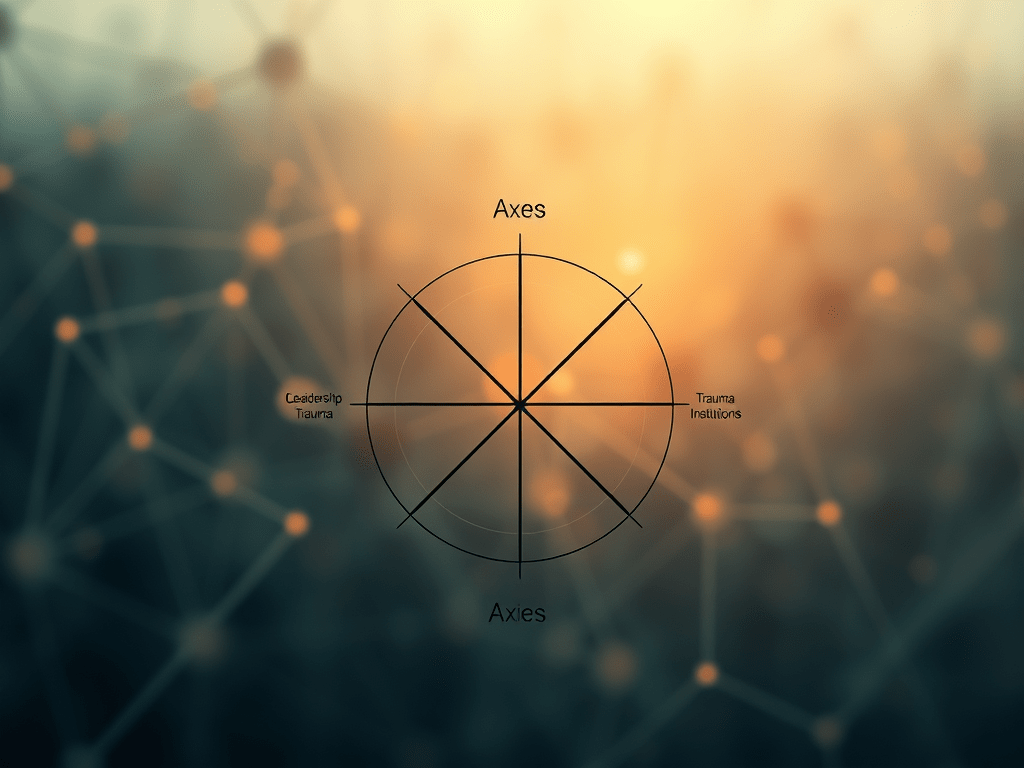
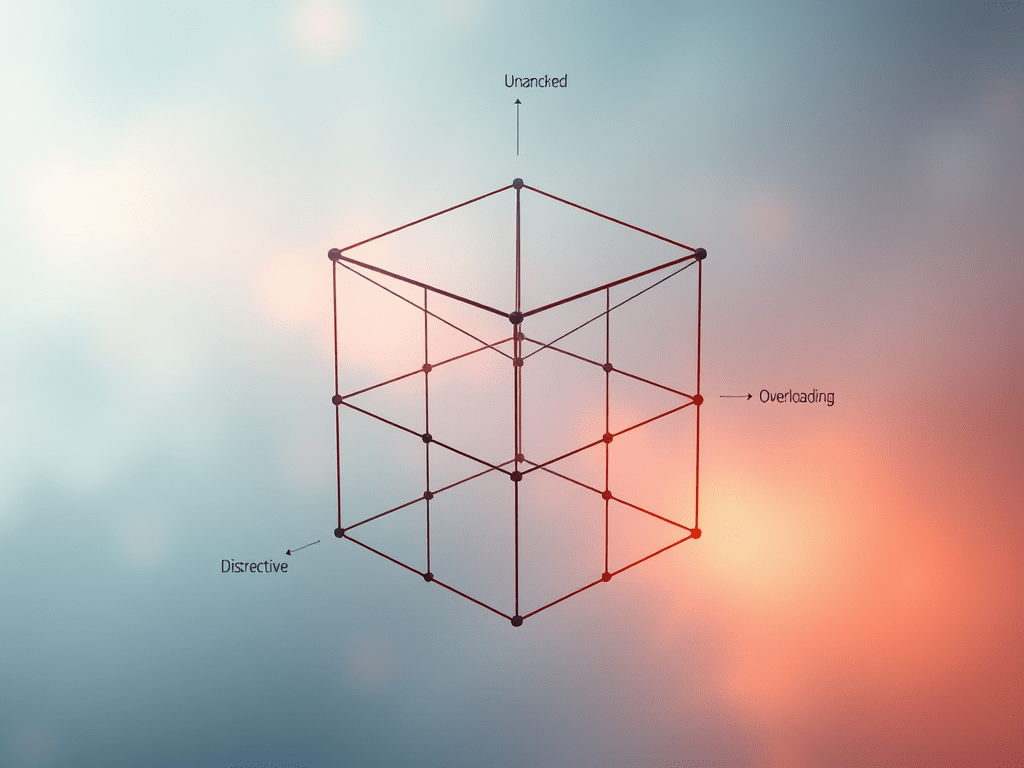
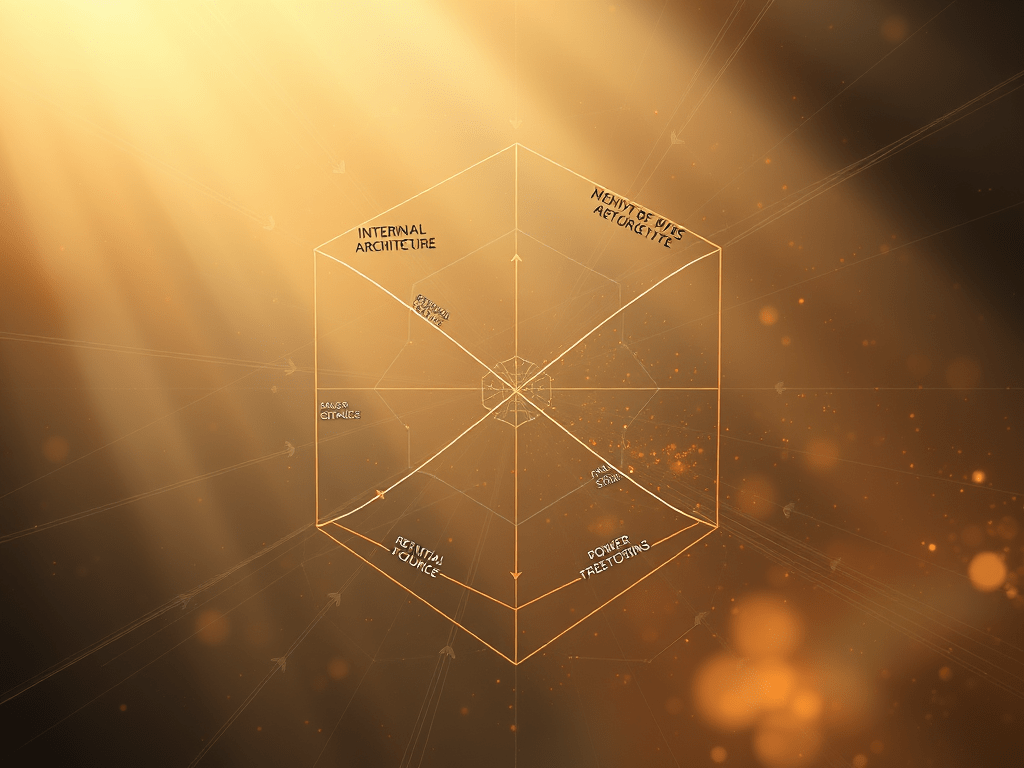
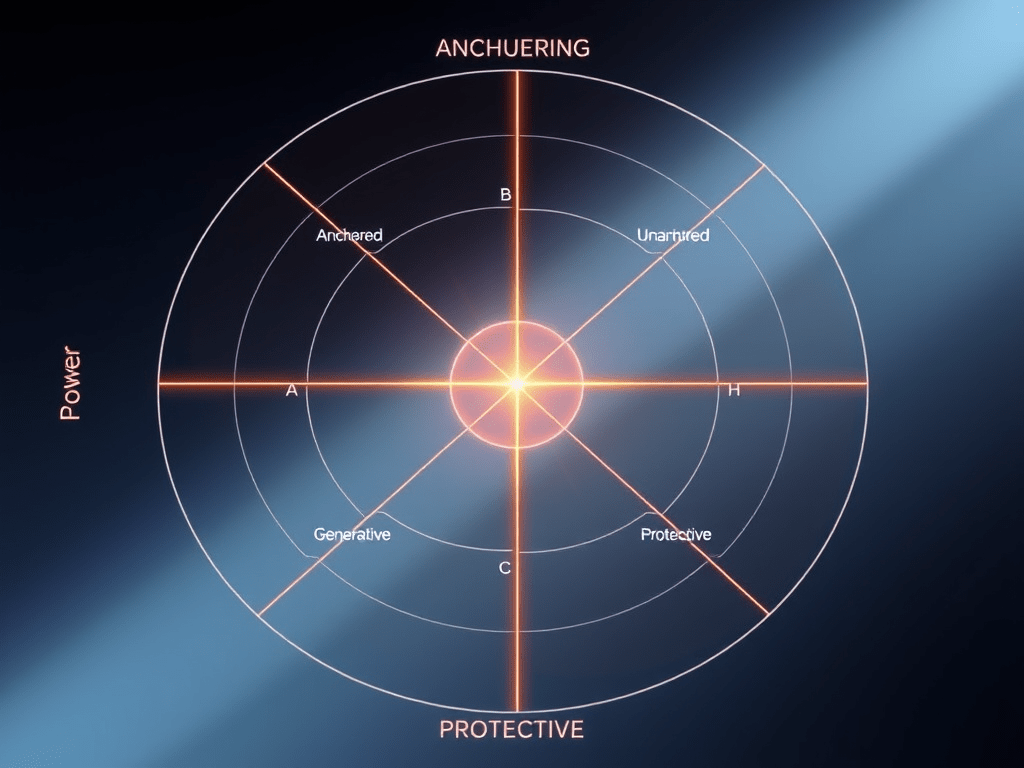
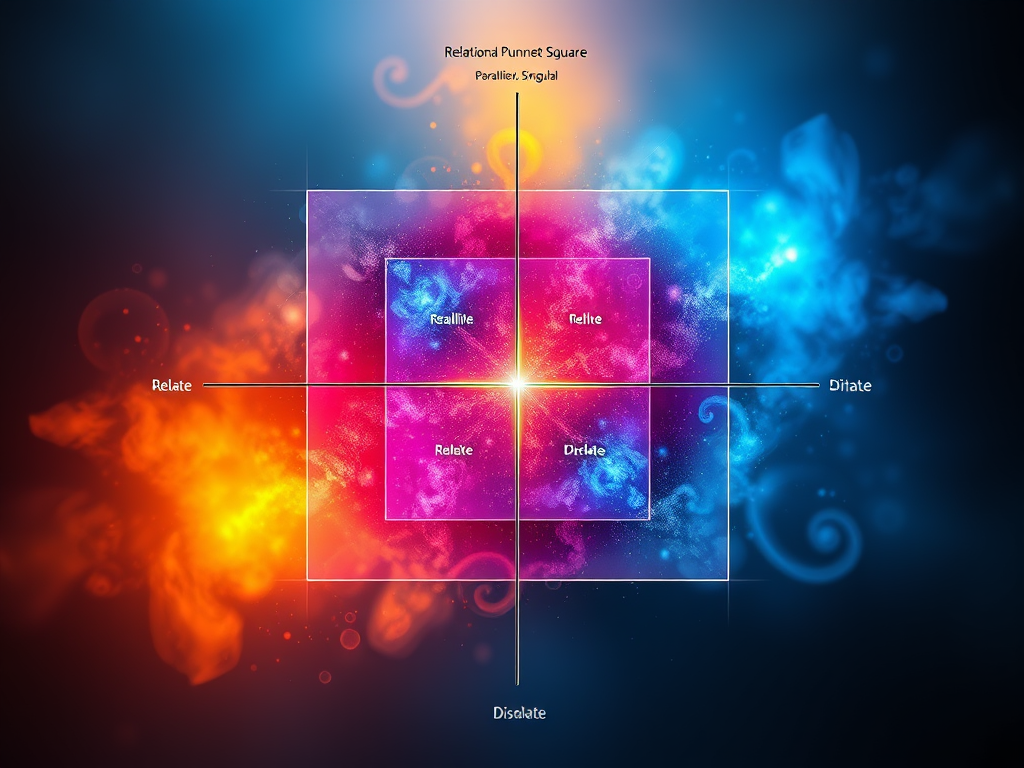
But once she understood the axes — anchoring, protection, coherence, internal architecture — she realized:
She wasn’t dealing with rejection.
She was dealing with a protective, unanchored, disrelating field.
That’s not something you fix with more effort.
That’s not something you fix with more self‑blame.
That’s not something you fix by trying harder.
It’s something you understand dimensionally.
And once she saw that, the guilt dissolved.
**Dimensional thinking doesn’t rewrite the past.
It rewrites the meaning of the past.**
She didn’t suddenly decide she was perfect.
She didn’t absolve herself of responsibility.
She didn’t pretend nothing happened.
She simply realized:
“I wasn’t the cause.
I was the context.”
That’s the difference between shame and clarity.
It opened a path forward she couldn’t see before
When guilt is in the driver’s seat, the future collapses.
You can’t repair.
You can’t reconnect.
You can’t re‑enter the field.
You can’t even think clearly about what happened.
But once she saw the dimensional structure, she could finally ask:
- “What state was I in?”
- “What state were they in?”
- “What was the field doing?”
- “What would repair look like now?”
And suddenly, a path forward appeared — one that had been invisible for years.
Not because the situation changed.
Because she changed the lens.
This is why dimensional thinking matters
It doesn’t just explain relationships.
It liberates people from the stories they’ve been trapped in.
It gives them:
- clarity instead of confusion
- compassion instead of blame
- agency instead of guilt
- possibility instead of collapse
This is the real power of the relational hypercube.
Not the diagrams.
Not the theory.
Not the terminology.
The relief.
The recognition.
The ability to finally say:
“Oh.
This wasn’t my fault.
This was the field.”
Next up:
How the “axes lens” becomes a universal tool — revealing hidden dimensions in conflict, creativity, leadership, trauma, and more.

























 Survivor Literacy
What do you think?