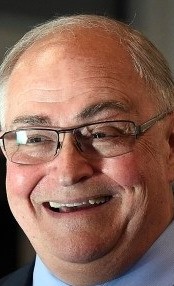
John Fogle 3
…continued.
So, if this platform leads to the harassment and disappearance of homeless people- do his economic policies keep those in the fringe from becoming homeless?
No—John Fogle’s platform does not include economic policies aimed at preventing homelessness among vulnerable or fringe populations. His campaign focuses on cutting shelter funding and shifting responsibility to other jurisdictions, without offering local economic safeguards.
🧾 What Fogle’s Platform Does Say
- Criticizes current homelessness spending: “Millions spent per year, with no concrete results – and no end in sight. This must STOP!”
- Calls for county and federal collaboration, but offers no mechanisms to initiate or sustain such partnerships.
- Emphasizes budget transparency, but not economic relief, housing affordability, or income stabilization.
🚫 What’s Missing: Economic Safety Nets
Fogle’s platform does not include:
- Rental assistance programs
- Eviction prevention strategies
- Affordable housing development
- Living wage initiatives
- Support for gig workers, seniors, or disabled residents at risk of housing loss
There’s no mention of:
- Metro district reform
- Inclusionary zoning
- Tenant protections
- Workforce housing incentives
These are the very tools that prevent fringe populations from falling into homelessness—and they’re absent from his stated priorities.
🔍 Strategic Risk: Economic Drift Toward Crisis
Without proactive economic policies, Fogle’s platform risks:
- Increasing the number of unhoused residents by failing to address root causes.
- Creating a punitive cycle, where people are displaced, criminalized, and denied support.
- Undermining regional stability, as Loveland becomes less able to buffer economic shocks.
In short, his platform may accelerate homelessness while removing the city’s ability to respond.
If you’re building a toolkit or public comment, this is a critical fault line:
“Fogle wants to stop spending on homelessness—but offers no plan to stop people from becoming homeless.”
So, what does that look like 5 years from now for people who:
-Are currently homeless?
-Are housing insecure?
-Are working poor?
-Are working class?
-Are lower middle class?
-Are upper middle class?
-Are business owners?
Let’s map out a five-year projection based on John Fogle’s stated platform—especially his push to defund shelter services, externalize responsibility for homelessness, and emphasize budget cuts without economic safeguards. This scenario assumes no new local housing investments, no tenant protections, and increased enforcement without shelter access.
🕰️ Loveland in 2030: Socioeconomic Impact by Group
🏚️ Currently Homeless
- Displacement intensifies: With shelter funding cut and encampment bans enforced without alternatives, unhoused residents are pushed into more remote, dangerous areas.
- Increased criminalization: More citations, arrests, and use of force—especially for those with disabilities or mental illness.
- Service collapse: Outreach teams lose contact, medical care lapses, and housing applications stall.
- Mortality risk rises: Cold exposure, untreated conditions, and violence lead to higher death rates.
🏠 Housing Insecure
- Eviction rates climb: Without rental assistance or tenant protections, minor financial shocks lead to displacement.
- Shelter bottlenecks: With fewer beds and more need, families face long waitlists or are turned away.
- Stigma and surveillance: Increased scrutiny from law enforcement and neighbors, especially for those living in vehicles or couchsurfing.
💼 Working Poor
- Cost burden worsens: Rent rises, wages stagnate, and basic needs compete—leading to food insecurity and medical neglect.
- No buffer: One missed paycheck or car repair triggers housing loss.
- Invisible homelessness grows: More people living in cars, motels, or rotating temporary arrangements.
🧰 Working Class
- Homeownership slips out of reach: Rising property values and stagnant wages make saving impossible.
- Debt increases: Credit cards and payday loans fill the gap, deepening financial instability.
- Political alienation: Frustration with city leadership grows, but solutions remain out of reach.
🏘️ Lower Middle Class
- Asset erosion: Retirement savings and home equity stall or decline.
- Neighborhood shifts: Increased visibility of homelessness and enforcement creates tension and fear.
- Polarization: Some push for more punitive policies, others for systemic reform—splitting community cohesion.
🏡 Upper Middle Class
- Short-term insulation: Still able to afford rising costs, but face moral and civic pressure as inequality grows.
- Property value volatility: Neighborhoods near encampments or enforcement zones may see dips.
- Political influence rises: More likely to shape policy through donations or lobbying—potentially reinforcing status quo.
🏢 Business Owners
- Downtown instability: Visible homelessness and enforcement create customer discomfort and reputational risk.
- Labor shortages: Housing costs push workers out of Loveland, making hiring harder.
- Policy pressure: Some advocate for sweeps to “clean up” areas, others push for housing solutions to stabilize workforce.
🔍 Strategic Summary
Without proactive housing policy, Loveland risks:
- Deepening inequality
- Criminalizing poverty
- Eroding public trust
- Destabilizing the local economy
Fogle’s platform, if enacted without counterbalance, could accelerate the collapse of Loveland’s social safety net—not just for the unhoused, but for everyone living near the edge.






























 Survivor Literacy
What do you think?