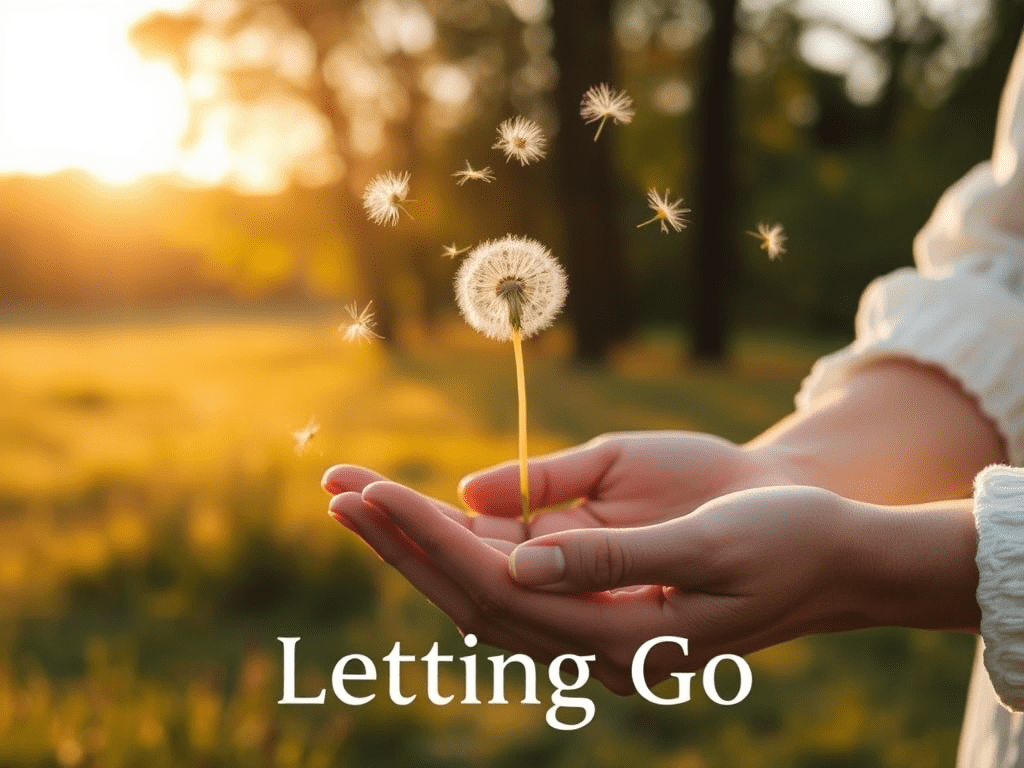
Letting Go
These ideas are so much better Shared!!
Lessons in Radical Acceptance.
I’m reminded as of late, that no matter what we want from our relationships, no matter how we envision them, and no matter how much we commit to reducing toxic behaviors to make way for deeply connective, authentic relationships, we are only ever half of pair.
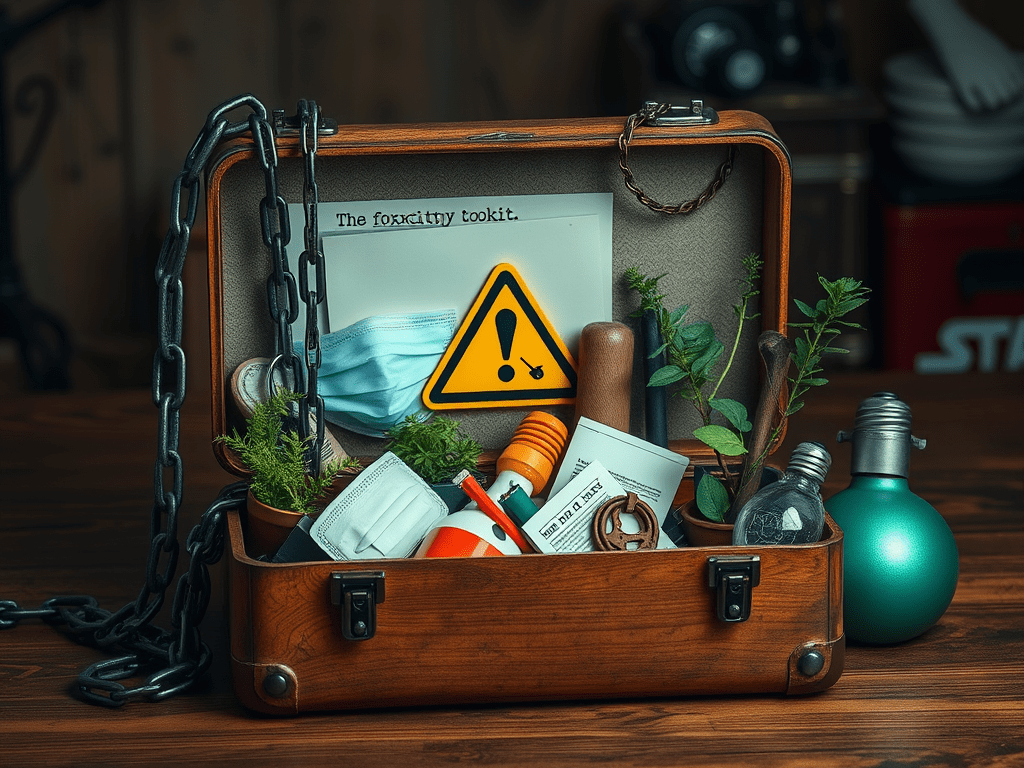
While the toolkit has worked wonders for me in terms of learning specific types of toxic behavior, how these behaviors work, and what alternatives exist, nobody else has to want this with me, and rocking the boat causes friction. There may be a point in your journey when you “find out who your friends are.”
What we should do when someone in your life refuses to work through the tools:
- Trust people’s responses, not the response we were expecting.
- Be patient, but know when enough is enough.
- Be completely honest in your assessment. Does the person need time or education? Are they lacking tools? Are they scared of being vulnerable? Do they need empathy? Or, is their control threatened by your refusal to allow toxic behaviors? There is a difference between struggling, and opposing. Are they willing to share an environment of teamwork and cooperation, or are they doubling-down on their toxicity and manipulation?
- Patience, Empathy, and Assistance, for someone who is struggling to learn and adopt the tools, is essential. Patience, Empathy, and Assistance, for someone who is trying to control or manipulate you despite having the tools. will steal your spoons, leaving you exhausted.
- Thoroughly and accurately assessing the situation, perhaps with the help of your therapist, should reveal which people are helping, which people are struggling, and which people are opposing.
- ACCEPT the answer. Sometimes this is very very painful. It can be extremely difficult to realize that someone who said they were on your team is actually quite committed to undermining and controlling you. There is a difference between saying you’re on someone’s team, and actually being on the team.
- Let go of any ideas you had about who you thought they were. Be guided by their real responses, and their actual behavior.
- Most importantly, this is where the importance of building boundaries come into play. If someone is committed to controlling, manipulating, and undermining you, or taking your spoons, it is up to YOU to create boundaries to protect yourself. It’s up to you to decide how much vulnerability to share with them, how much of yourself to give, and where the limits lie in what you should expect from them as well. Do not rely on them to create the boundary with you.
- If you fear retaliation, consider this evidence that the boundary is ever more necessary. That being said, assess your safety and autonomy. For some, trying to set a boundary could result in injury or death. I have lived through several such environments. If it’s unsafe for you to draw boundaries, please consider physical separation from the other party. Even in situations that are in no way unsafe, boundary work can be heartbreaking.
- It’s ok to grieve the relationship that you wanted to have. It is also important to realize that the relationship you wanted is a fantasy. I applaud you for facing reality.
- ACCEPT that no matter what someone’s relationship to you is, everyone has the right to do their own thing and make their own decisions. This is not a reflection on your worth.
- Letting go takes practice, so practice accepting who people really are, drawing the boundaries, and letting go.
Happy Healing






















 Survivor Literacy
Leave a reply to Sunil Kumar Cancel reply